How to Choose a Bidet Seat
Choose in this order: warm-water type first, then fit, then controls, then whether the dryer earns its cost, then reliability and price tier. Decide warm-water type before anything else — it rules more seats in or out than budget does.
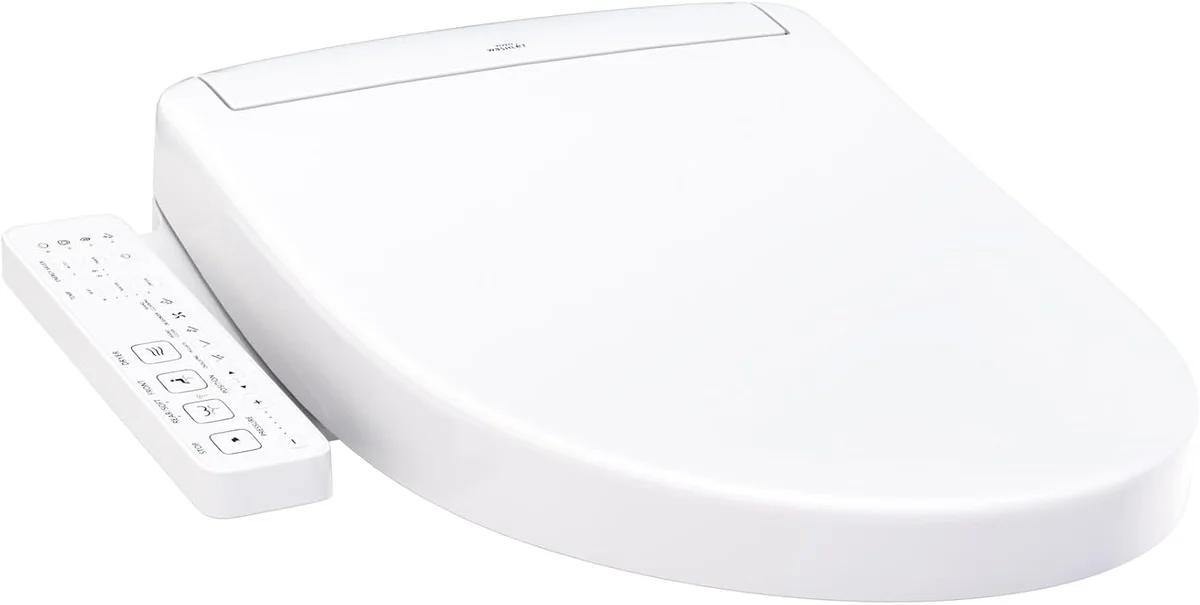
The short version: decide warm-water type first (instantaneous stays warm; a reservoir tank runs cold after about a minute; non-electric is cold-only), then confirm fit, choose a control type, judge whether the dryer is worth its cost, and weigh reliability against price last. Our top all-round pick is the TOTO WASHLET S2.
- Decide first
- Warm-water type
- Hard gate
- Bowl fit + outlet
- Most over-sold
- The warm-air dryer
- Top pick
- TOTO WASHLET S2
Step 1: pick the warm-water type
Settle warm water first. It is the choice that decides whether the wash stays warm or runs cold, and it eliminates the most options fastest.
Instantaneous heating flash-warms water on demand and stays warm as long as you run it; a reservoir tank holds a small pre-warmed volume and runs cold after roughly 45–60 seconds; non-electric seats wash with cold tap water only (TOTO USA). The heater type is printed on the spec sheet, so this is verifiable before purchase rather than a surprise mid-wash.
- Instantaneous = continuous warm water (TOTO S7A/S5/KS5, Alpha JX2)
- Reservoir tank = warm seconds, then cold (TOTO C5/A2/S2, BioBidet BB-series)
- Non-electric = cold only (Brondell EcoSeat, Kohler Purewash M250/M300)
Across the r/bidets BB-1000 and Alpha JX2 owner threads, warm water that runs cold within about a minute on reservoir-tank seats is the most repeated regret in our synthesis of community reports — which is why the sequence starts here, not at price.
In practice this maps to model lines you can name. Instantaneous seats include the TOTO S7A, S5, and KS5 and the Alpha JX2; reservoir-tank seats include the TOTO C5, A2, and S2 plus the BioBidet BB-series and SmartBidet SB-2000; non-electric seats include the Brondell EcoSeat and the Kohler Purewash M250 and M300. Entry-level instantaneous models can show a one-to-two-second cold-water lead before the heater catches up, while a reservoir tank delivers warmth instantly but for a fixed window — so "warm water" on a spec sheet means two very different experiences depending on which architecture sits behind it.
Step 2: confirm it fits
Fit is a pass/fail gate. Three axes decide it: bowl shape, rear clearance, and — for electric seats — a grounded outlet within reach.
- Bowl shape Elongated only Measure your bowl — elongated-only seats overhang the other shape.
- Mounting clearance 50 mm behind seat Tank-to-seat gap must clear the control housing.
- Power None — non-electric No outlet needed.
- Water-line access T-valve included; standard 7/8-inch toilet supply Shut-off valve and supply line must accept the tee.
Check every axis against your toilet before buying
Most seats are built for elongated bowls, so round-bowl owners must filter to the smaller set that fits before anything else; fitting an elongated seat to a round toilet leaves an overhang owners dislike (r/bidets round-bowl fit threads). Electric seats add the outlet requirement — no nearby grounded receptacle means a non-electric seat until an electrician changes it.
Measure before you shop, not after. The two numbers that decide fit are bowl length — round bowls run about 16.5 inches front to back and elongated bowls about 18.5 inches — and the distance from the seat bolts to any wall or tank skirt, which has to clear the seat's control housing. Skirted and French-curve toilets are the usual fit traps, because their hidden mounting hardware blocks the standard top-mount bracket that bidet seats ship with (TOTO's WASHLET fit and installation specifications). If a listing only states "elongated" with no round option and no clearance figure, treat that as a seat you cannot confirm will fit — and move on rather than gambling on a return.
Steps 3–4: controls and the dryer question
Pick a control type by who shares the bathroom, then decide whether the dryer is worth its cost. For most buyers it is not the deciding feature.
A wireless wall remote suits a shared household; an attached side panel keeps everything on the seat; a manual dial is simplest and hardest to break. None of those changes how well the seat washes — that is set by nozzle position and pressure, not button count (Horow's guide to bidet wash modes and features).
Match the control to the household. A wall remote lets anyone adjust the wash without reaching behind the seat, which matters in a shared bathroom but adds a battery and a pairing step that occasionally drops; an attached side panel never loses its connection but forces an awkward reach; a manual dial has nothing to pair, update, or fail, which is why it dominates the non-electric tier. If more than one person will use the seat, the wall remote usually wins despite the extra part to maintain — but on a single-user bathroom the simpler dial removes a whole class of "the remote stopped working" complaints owners report.
45-point gap · Most owners still pat dry with paper
Is the dryer worth paying for?
The warm-air dryer is the most over-promised feature: marketed as hands-free drying, it takes minutes at about 104°F and most owners still finish with a square of paper. The gauge above shows the gap between the marketed claim and what owners actually report. Pay for the dryer only if heated comfort matters to you in its own right, not because you expect it to replace toilet paper — and weigh its added cost against a non-electric seat that skips the feature entirely.
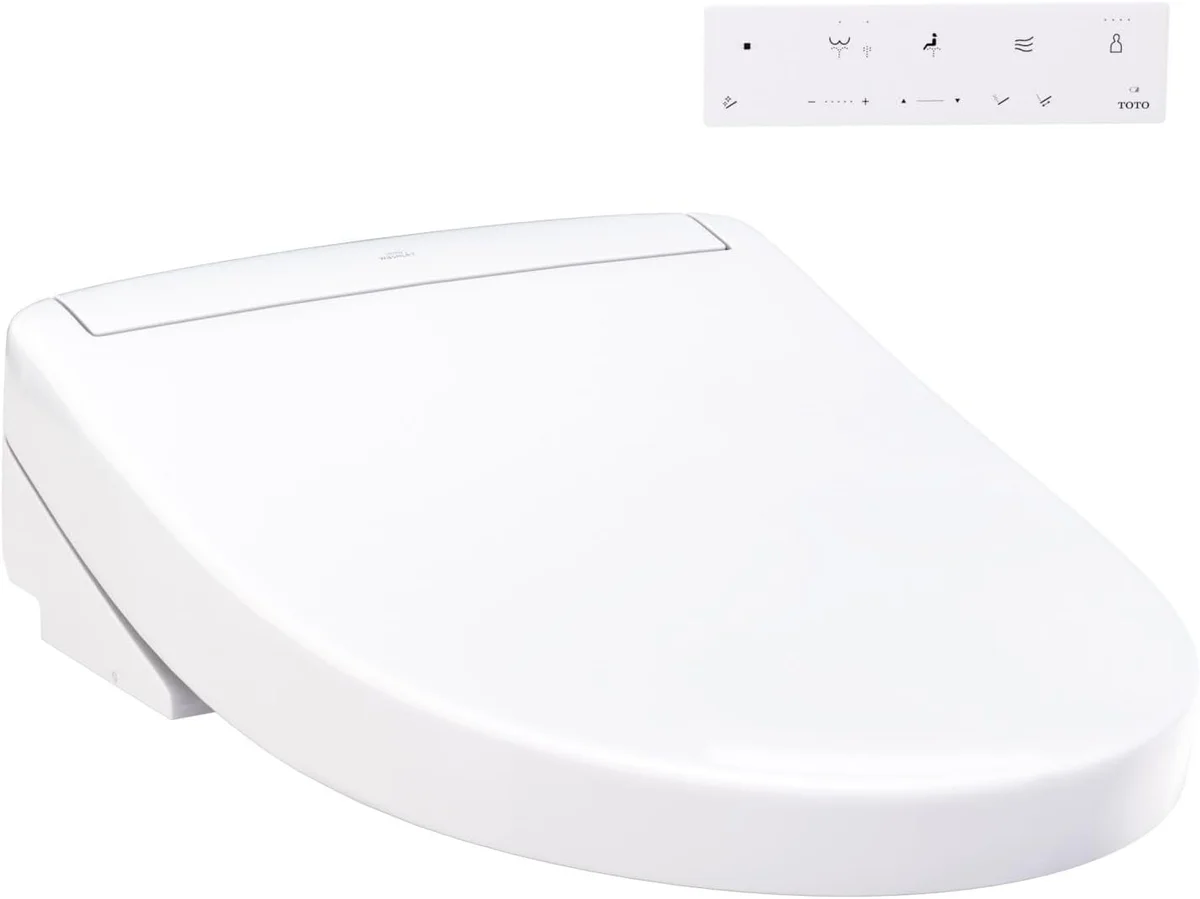
TOTO WASHLET S2
It clears Step 1 with instantaneous-style warmth, fits elongated bowls, and carries the build-quality record owners report across years of use — the combination the sequence rewards. Pair it with our full review before buying.
Step 5: weigh reliability and price
Last, weigh reliability against price tier — and be wary of the cheapest electric seats, where early electronic failure is the recurring owner complaint.
Reliability splits along the same electric/non-electric line as Step 1. A non-electric seat such as the Brondell Swash EcoSeat has a dual nozzle, a manual dial, and brass internal valves — few parts, little to fail. An electric seat adds a pump, a heater, a circuit board, and firmware, so its reliability rests on the maker's quality control rather than on simple mechanics. That is why owner warnings cluster at the cheap electric end, where the electronics arrive without the build quality to back them (r/bidets).
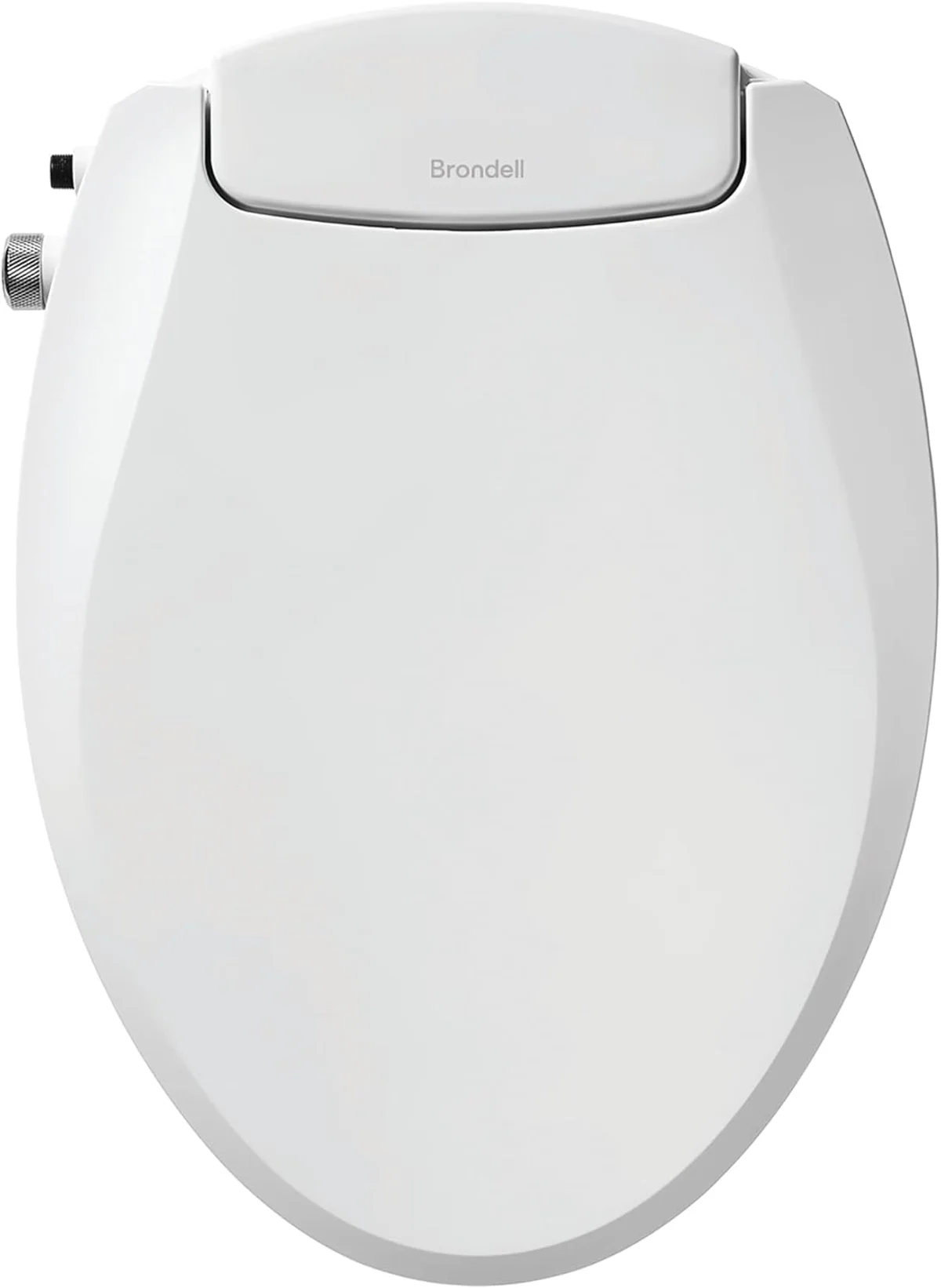
Price tier follows from those parts, not from cleaning quality: non-electric seats sit at the budget end, mid-tier electric seats add warm water and a heated seat, and premium washlets layer on instantaneous heating and self-cleaning wands (Wikipedia). Match the tier to the features you actually settled on in Steps 1–4, not to a model's marketing. For the methodology behind how we weight these axes, see our research on how to choose a bidet seat and the mechanics in how bidet seats work; then turn the sequence into a shortlist with the best bidet seats roundup or read the long-term verdict in our TOTO WASHLET S2 review.
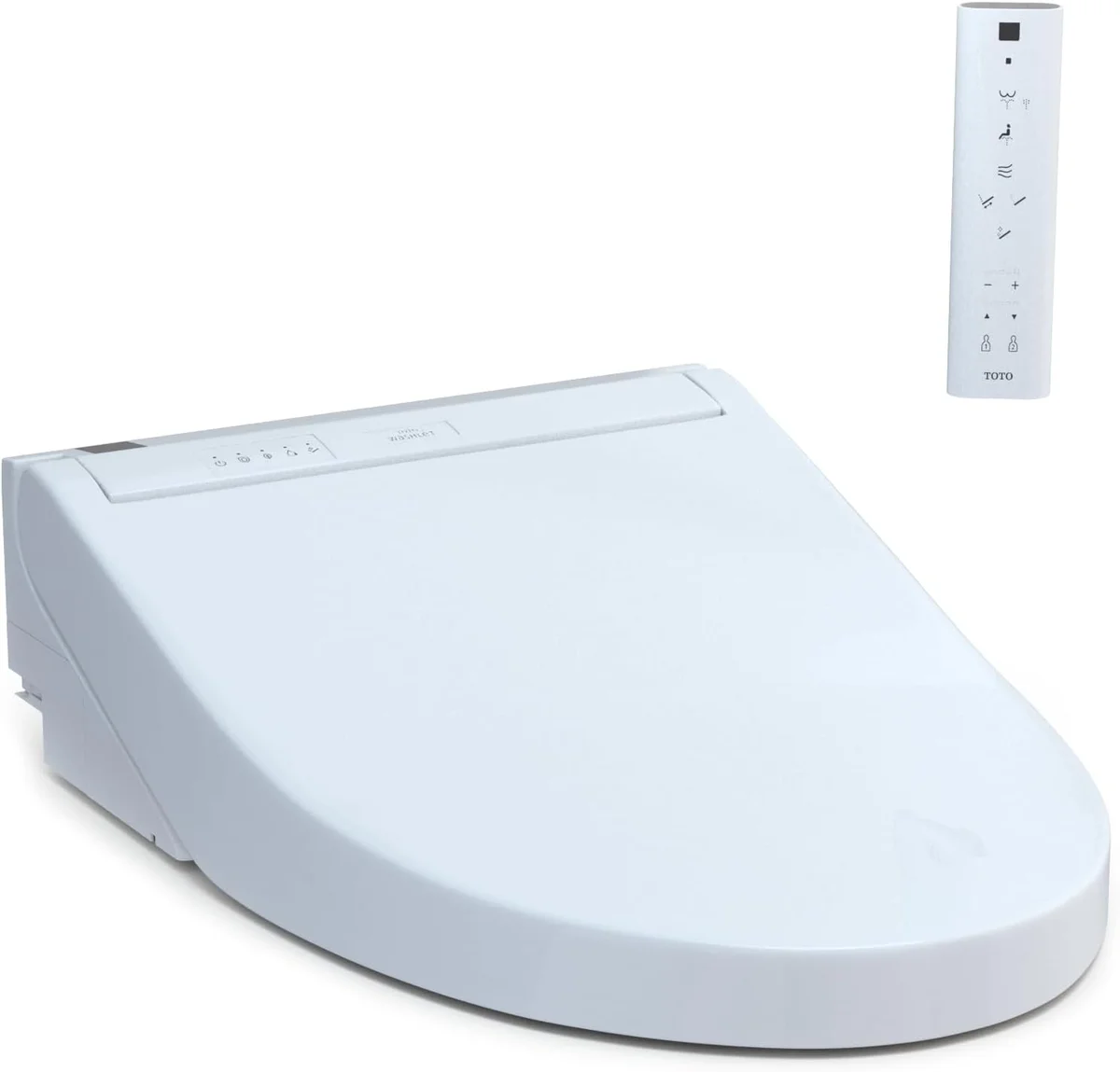
Shortlist note: IYTATA second-model variant
When choosing a budget electric, weigh the IYTATA second model on the list — a sub-$170 listing at 4.1 stars across 8 verified Amazon reviews, with the toilet seat itself as the recurring owner note. Same warm water, air dryer, heated seat loadout as the cheaper IYTATA but a slightly higher price tier and a slightly lower owner rating, which is a useful data point for buyers cross-shopping the two within the same brand. Lean toward the cheaper IYTATA when the rating gap is the deciding factor and the spec difference is otherwise marginal.
Shortlist note: homfan round non-electric — for round bowls under $50
When the budget constraint is the dominant filter and the toilet is round rather than elongated, the homfan round non-electric attachment is the rare option that fits — sub-$50 list, 4.3 stars across 8 Amazon reviews, with easy install as the recurring owner note. Dual-nozzle design for separate front-and-back wash, no electrical work required, clamps onto the supply line. Cold-water-only by design, like every non-electric attachment at this price point. Pick homfan when the round bowl, the under-$50 budget, and a try-before-committing approach are the three filters in play.
Bidet seat buying questions
What should you decide first when choosing a bidet seat?
Warm-water type. Instantaneous heating stays warm continuously; a reservoir tank runs cold after about a minute; non-electric is cold-water only. That single choice rules more seats in or out than price does, so settle it before you compare anything else.
Does a more expensive bidet seat clean better?
No.
Is the warm-air dryer worth paying for?
Rarely on its own. At roughly 104°F the dryer takes minutes and most owners still pat dry with a square of paper, so treat it as a comfort extra rather than a paper replacement when you weigh an electric seat against a non-electric one.
How do you avoid buying a seat that will not fit?
Measure the bowl shape (most seats are elongated-only), check rear clearance for the control housing, and confirm a grounded outlet within about three feet for electric models. A seat that fails any one of those three is the most common return in the category.
Sources
- TOTO USA — WASHLET product line and specifications. Accessed 2026-05-26.
- r/bidets community owner reports. Accessed 2026-05-26.
- Horow — bidet use, types, benefits and risks. Accessed 2026-05-26.