Bidet Attachment or Bidet Seat: Which to Buy
A bidet attachment is a spray bar that mounts under your existing toilet seat for the lowest price in the category, while a bidet seat replaces the seat entirely and integrates the controls, warmth, and dryer. The attachment is cheaper and reversible; the seat is more comfortable and more capable.
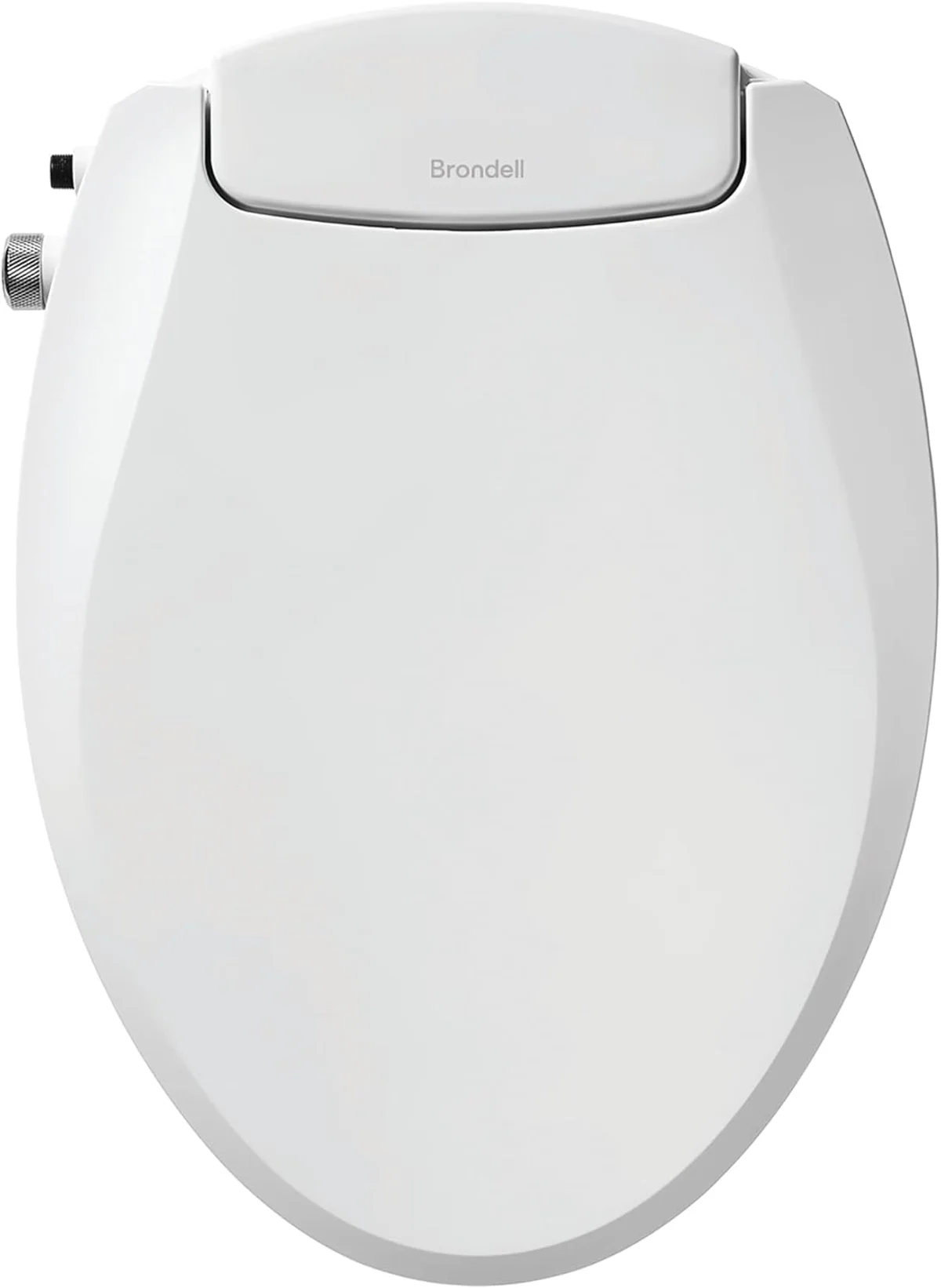
Attachment versus full seat
The core difference is integration. An attachment adds a wash to the seat you already own for the lowest price in the category; a full seat like the Brondell EcoSeat replaces it and builds the wash, controls, and any warmth into one unit.
A bidet attachment is the minimalist option: a flat spray bar slides between your toilet bowl and the existing seat, splices into the cold supply with the same T-valve a non-electric seat uses, and adds a knob-controlled wash for the lowest price in the category (Brondell). It changes nothing else about the toilet — the seat, the lid, and the look stay exactly as they were. That is the appeal and the limit at once: you get a functional wash for very little money and almost no commitment, but you get nothing that a basic non-electric seat does not also provide, and you keep an unheated, ordinary seat on top.
A full bidet seat takes the opposite approach. It replaces the whole seat, so the nozzle, the pressure and position controls, and — on electric models — the warm water, heated seat, and dryer all live in one designed unit rather than a bar bolted under a generic lid. The wash mechanics are broadly the same directed stream in both cases (Horow), so an attachment is not a worse clean; it is a less comfortable, less integrated package around the same idea. The map below shows the dual-nozzle wash an attachment and a basic seat both deliver — the spray is the part they share.
| Aspect | Attachment | Non-electric full seat |
|---|---|---|
| Price | Lowest in the category | A little more |
| Install | Slides under existing seat; T-valve splice | Replaces seat; T-valve splice |
| Seat comfort | Your old seat, sitting slightly higher | Designed seat, sits flush |
| Wash | Knob-controlled cold stream | Dial or lever, often dual nozzle |
| Look | Visible bar at the hinge | Integrated, clean lines |
When an attachment is the right call
An attachment earns its place in three situations: the lowest possible budget — often well under half the price of a non-electric Brondell seat — a rental you cannot modify much, and a quick reversible trial before committing to a seat.
There are real cases where the attachment is the smart buy rather than the compromise. The first is a hard budget ceiling: an attachment is the cheapest way to get a functioning wash at all, and a cold wash beats no wash for many buyers. The second is a rental or shared bathroom where swapping the whole seat feels like too much change — an attachment slides on and off in minutes and leaves no trace, so it travels with you when you move. The third, and the one owners on r/bidets mention most, is using it as a low-stakes trial: spend a little, confirm a bidet actually fits your routine, then step up to a seat without having gambled much — and the seat owners step up to is usually a major-brand model from Brondell or Kohler. In all three, the attachment is doing exactly the job it is good at.
The recurring r/bidets pattern is buyers who start on a cheap attachment "just to try it," become converts within a week, and then come back asking which full seat to upgrade to — the attachment sold them on the idea, not the hardware.
Why most buyers want a seat
Once a bidet is part of the routine, the attachment’s compromises start to show: the raised seat, the cold-only wash, the visible bar. A full seat fixes all three for not much more.
The reason the attachment so often becomes a stepping stone is that its limits are exactly the things you notice with daily use. The seat sits a few millimetres higher and can feel slightly loose where the bar lifts it; the wash is cold unless you bought one of the rarer warm-water attachments; and the bar is visible at the hinge in a way an integrated seat never is. None of these matter on day one, but they accumulate — which is why the jump most owners make is not to a flagship electric seat but to a slim non-electric bidet seat that costs only a little more, installs the same way, and removes every one of those small frictions.
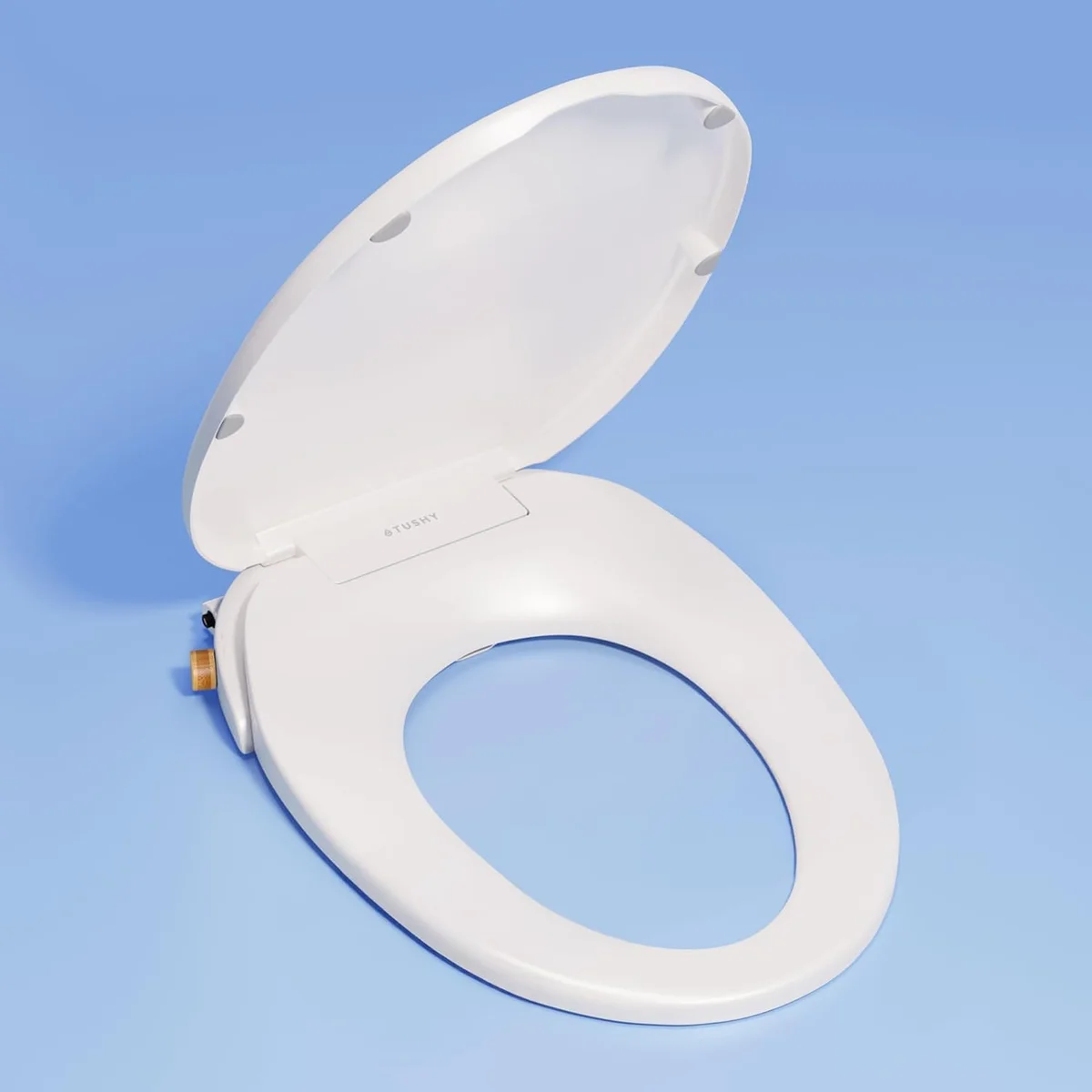
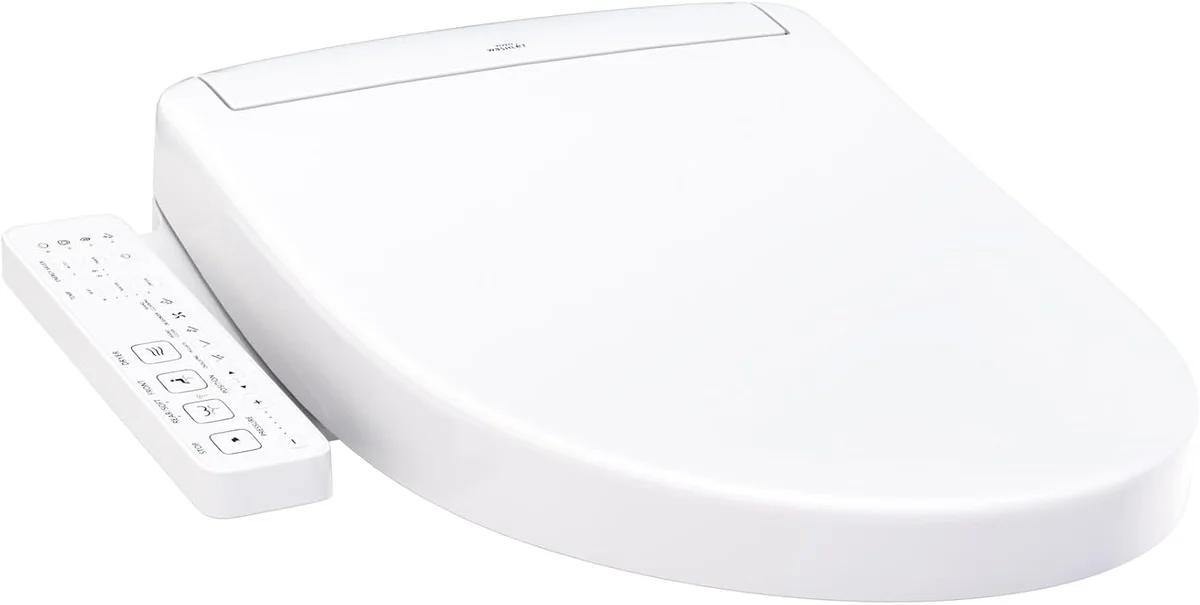
If warmth is what you are after, the calculus shifts further still. A warm-water attachment exists but is fiddly to install and uncommon, so buyers chasing warm water are usually better served by a non-electric seat with a warm-water hookup or by an electric bidet seat with a real heater, which also brings the heated seat and dryer an attachment can never add. The honest summary is that an attachment is an excellent way to discover you want a bidet and a mediocre way to live with one long term — perfect as a first step, rarely the last.
The third option people forget
Between the attachment and the full seat sits a third path: the handheld sprayer — a hose-and-wand bidet, also called a shattaf, that mounts at the wall for about the same low price as an attachment. It solves different problems than either, and it is worth knowing before you choose.
A handheld sprayer, sometimes called a bidet shower or "shattaf," is a flexible hose with a trigger nozzle that mounts beside the toilet and taps the same cold supply as an attachment. Its advantage is reach and control: you aim the stream by hand, which makes it the option many owners prefer for cleaning cloth diapers, rinsing the bowl, or accommodating limited mobility where a fixed nozzle does not line up — the kind of hands-on control that full-seat makers like TOTO instead solve by automating the wash. It costs about as little as an attachment and installs the same way, so it competes directly with the attachment rather than the seat. The trade is that nothing is automatic — there is no preset wash, no hands-free operation, and the spray can be messier until you learn the angle.
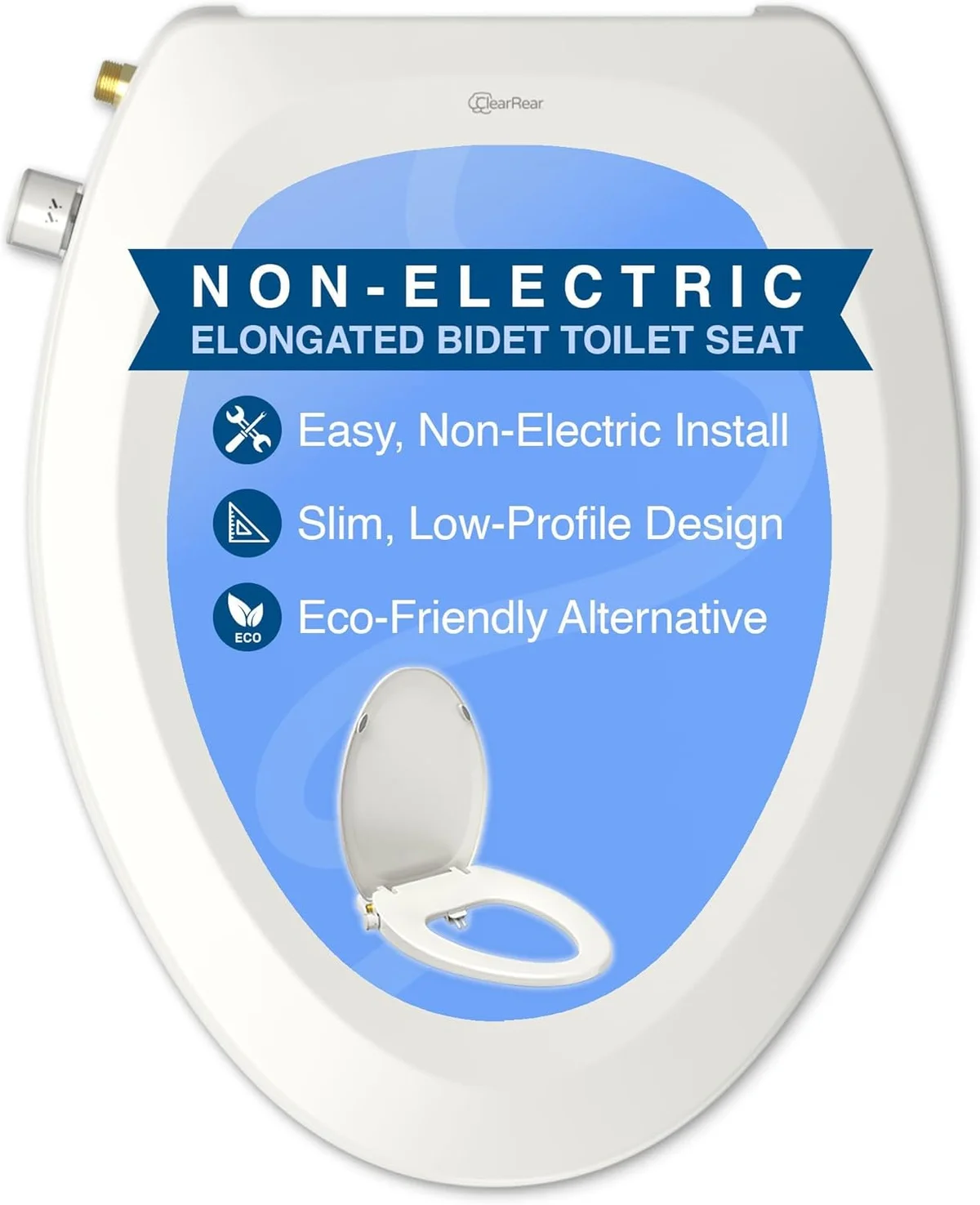
For the buyer this site is built around — someone who wants the comfortable, hands-free, often-warm wash of a full seat — the handheld is a sidestep rather than an upgrade, the same way an attachment is. It is the better cheap option when manual control is the actual goal, and the worse one when integration and comfort are. Owners weighing all three on r/bidets tend to sort by that single question: do you want to aim the wash yourself, or do you want the seat to do it for you? If it is the latter, the full non-electric bidet seat is where the attachment and the handheld both point.
Ready for the step up
When the attachment has done its job, move to a seat: start with our best bidet toilet seats roundup, read up on the slim, low-cost option in non-electric bidet seats, or follow the how to choose a bidet seat guide to pick the right one.
Attachment vs seat questions
What is the difference between a bidet attachment and a bidet seat?
An attachment is a thin spray bar that mounts under your existing toilet seat and adds a wash; a bidet seat replaces the whole seat and integrates the controls, often the warmth, and the dryer. The attachment is cheaper and slimmer; the seat is more comfortable and more capable.
Are bidet attachments any good?
For a cheap, reversible first try, yes.
Do bidet attachments have warm water?
Most attachments are cold-water only, the same as basic non-electric seats. A few warm-water attachments tap the sink or a hot line, but if warm water is the goal, a non-electric seat with a warm-water hookup or an electric seat is usually the cleaner answer than chasing a warm attachment.
Can you put a bidet attachment under any toilet seat?
Usually, but the seat sits slightly higher. The attachment bar adds a few millimetres between the bowl and your existing seat, so the seat perches a little taller and can shift if the seat bumpers are not re-seated. On most toilets it is unnoticeable; on a few it feels loose enough that owners step up to a full seat instead.
Is a bidet attachment or a bidet seat better for a first bidet?
An attachment is the lower-risk way to test whether a bidet suits you, but a non-electric seat costs only a little more and feels far more finished, so many first-timers skip straight to the seat.
Sources
- Brondell — bidet attachments and seats. Accessed 2026-05-27.
- r/bidets community owner reports. Accessed 2026-05-27.
- Horow — bidet use, types, benefits and risks. Accessed 2026-05-27.