Electric Bidet Toilet Seats: The Install Reality
An electric bidet toilet seat installs like any seat — except for one gate: it needs a grounded GFCI outlet within about three feet of the toilet. If that outlet exists, fitting one is a sub-hour DIY job; if it does not, an electrician comes first, and that fact decides many purchases.
The outlet is the whole story
Everything difficult about an electric seat reduces to one question: is there a grounded GFCI outlet within about three feet of the toilet? The wash and seat are easy; the wiring is the gate.
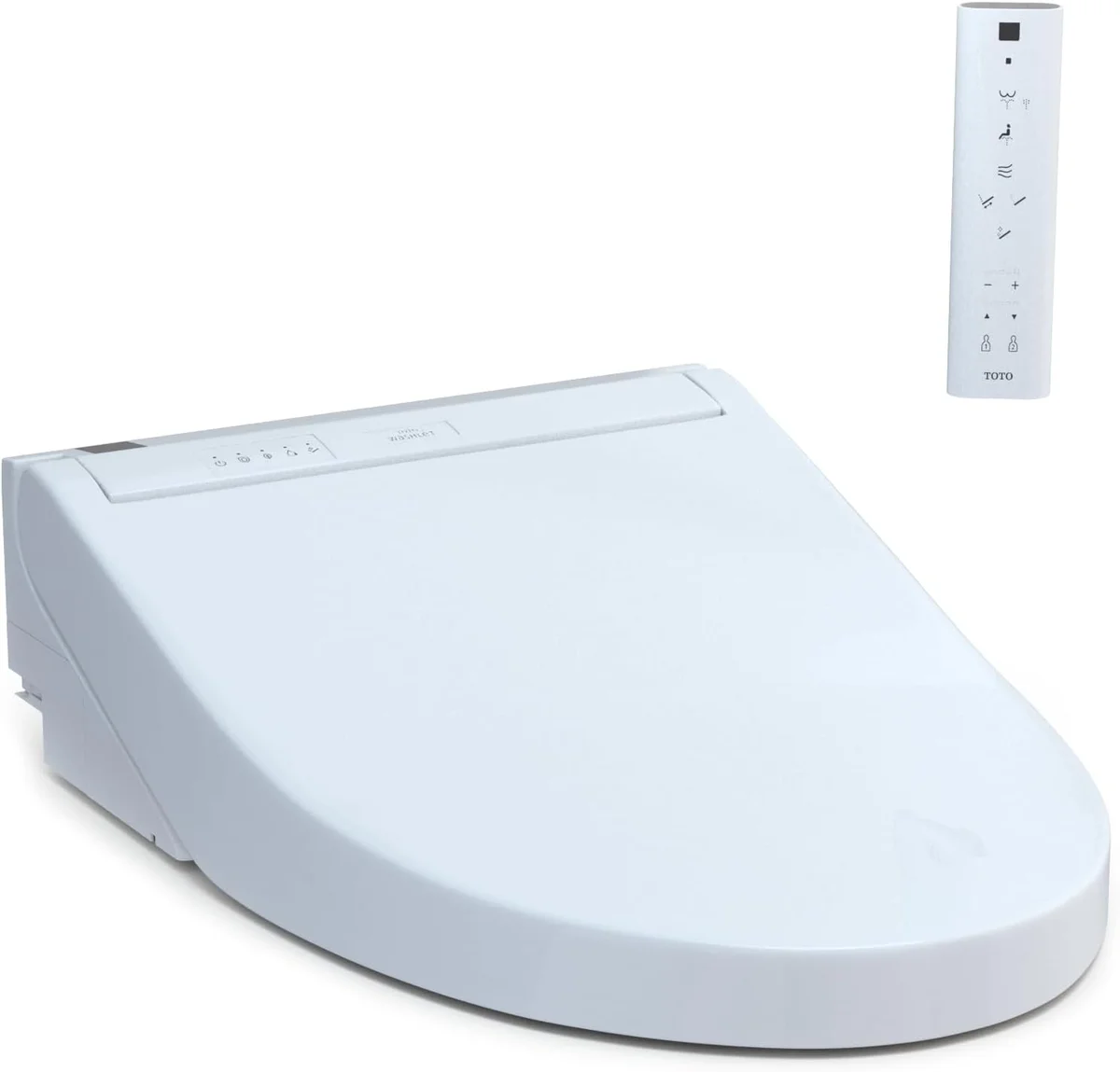
The reason electric seats ship with a short cord — about three feet — is that code and safety forbid extension cords near a bathroom water source, so the outlet has to be close, grounded, and GFCI-protected (TOTO bidet seats). In a modern bathroom built with an outlet behind or beside the toilet, this is a non-issue and you never think about it. In an older bathroom where the only outlet is by the sink, it is the entire obstacle. This is why the install difficulty of an electric seat is bimodal: trivial when the outlet exists, and a wiring project when it does not. Sorting which case you are in is the first thing to do, before comparing wash modes or what the outlet buys.
- Bowl shape Elongated only Measure your bowl — elongated-only seats overhang the other shape.
- Mounting clearance 50 mm behind seat Tank-to-seat gap must clear the control housing.
- Power Grounded GFCI outlet within 3 ft — the defining electric-seat requirement Electric seats need a grounded GFCI outlet within reach.
- Water-line access T-valve included; standard 7/8-inch toilet supply; ~3 ft power cord Shut-off valve and supply line must accept the tee.
Check every axis against your toilet before buying
The install, when the outlet exists
With an outlet in place, fitting an electric seat is a sub-hour, hand-tool job: remove the old seat, mount the bracket, splice the T-valve into the cold supply, plug in, and watch the connection for drips.
When the power is already there, an electric seat installs almost exactly like a non-electric one, plus a plug. You shut the toilet’s supply valve and flush to empty the tank, unbolt the old seat, clip the bidet seat onto its bracket, then splice the included T-valve into the line between the shut-off and the fill inlet — a standard 7/8-inch connection on most US toilets. The only added step is routing the three-foot cord to the outlet without stretching it. As with any seat, the T-valve splice is the one spot to watch: owners on r/bidets who keep a dry paper towel under the fitting for the first day catch the rare weep before it becomes a puddle. No part of this needs an electrician if the outlet is present — the electrical work was done when the bathroom was wired.
The recurring r/bidets first-timer report on electric seats is relief: people brace for a complicated install and find the seat itself goes on as fast as a plain one — the only horror stories are about missing outlets, not the seat.
When there is no outlet
No outlet near the toilet means one of two paths: hire an electrician to add a GFCI outlet, or buy a non-electric seat instead. Both are valid; the choice is cost versus features.
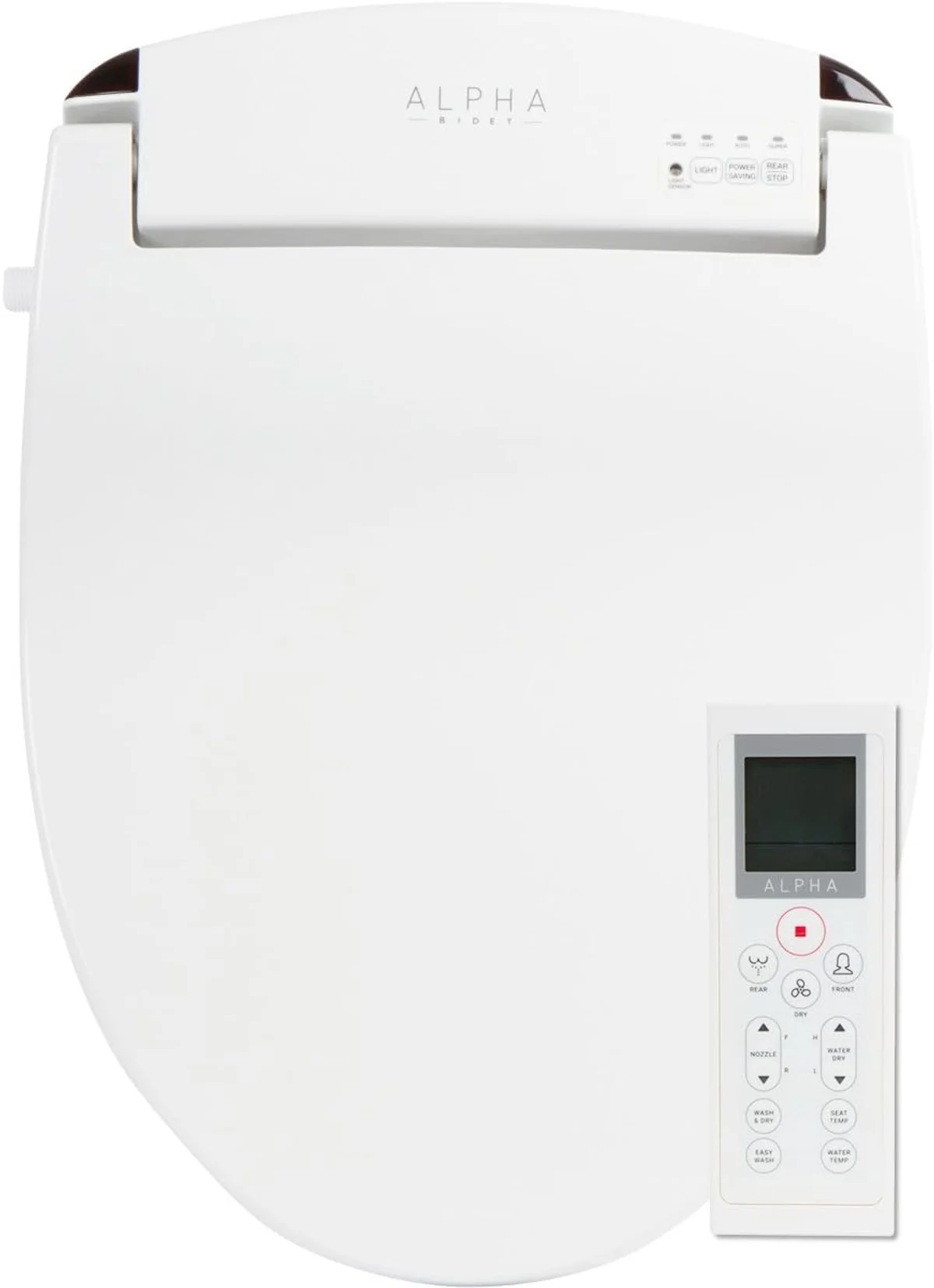
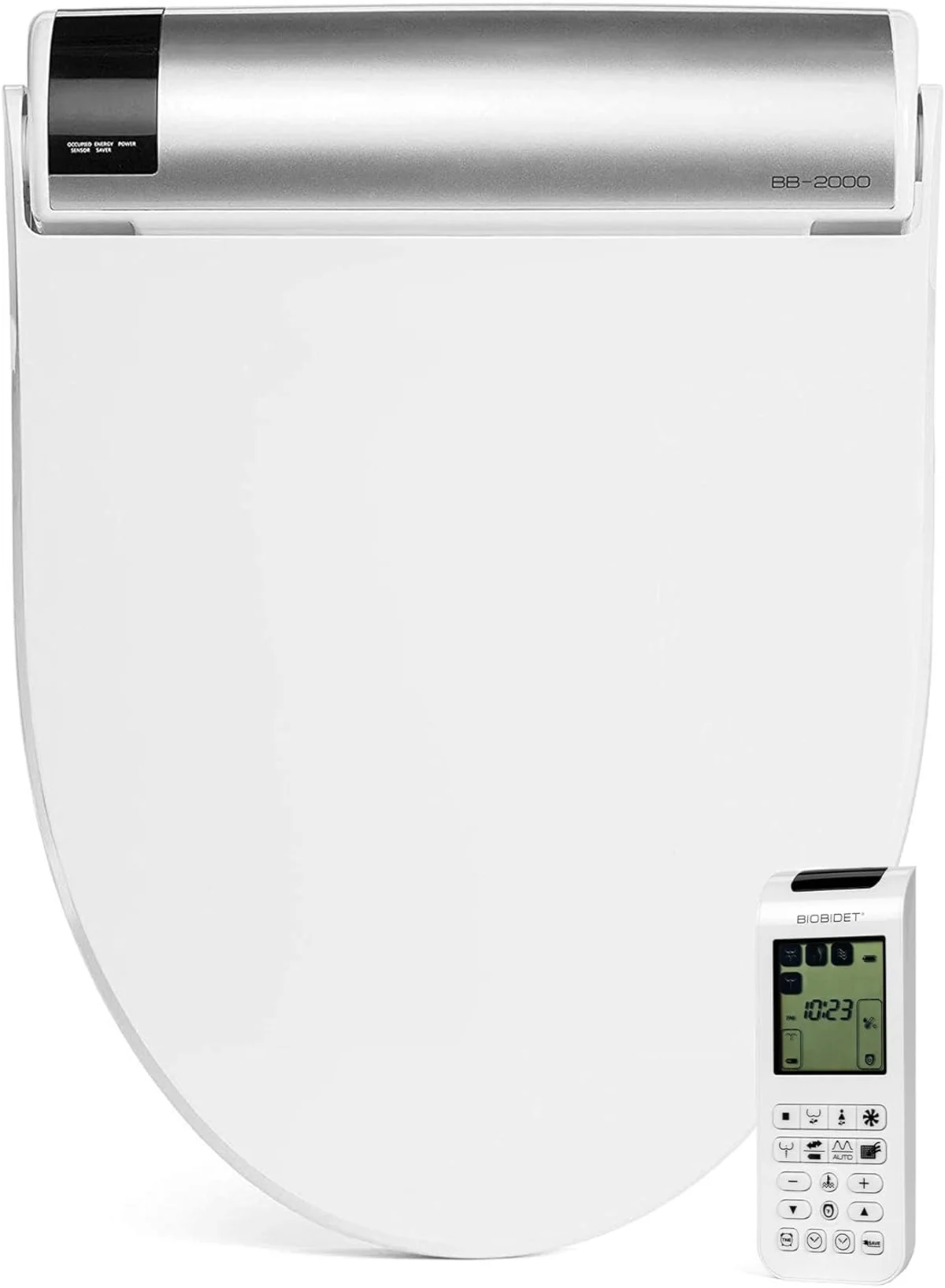
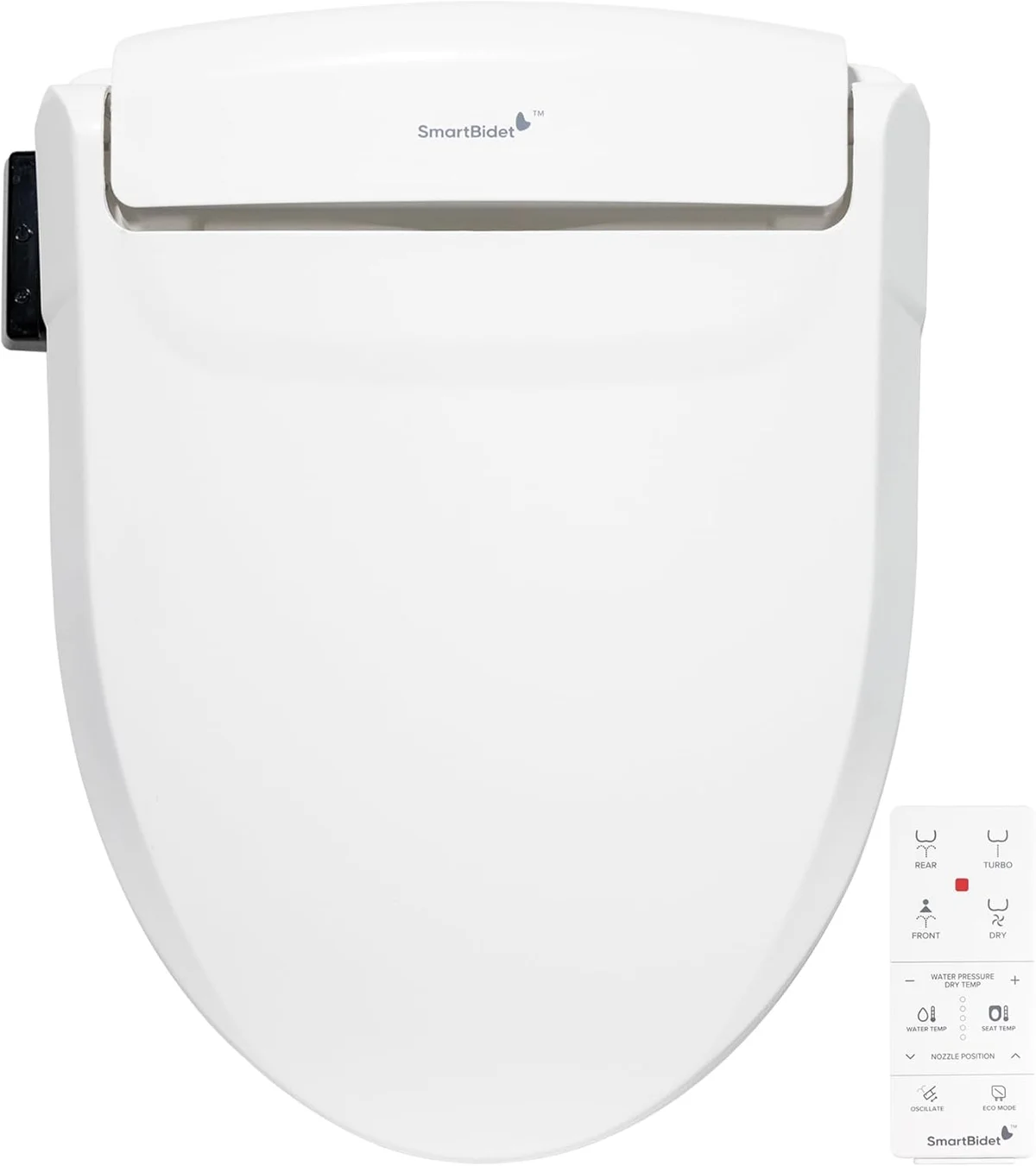
The no-outlet case is where the electric-seat decision really gets made. Adding a GFCI outlet near the toilet is a modest job for an electrician — running a spur from a nearby circuit and fitting the protected outlet — but it is a real cost on top of the seat, and in a rented home it is usually not permitted at all — and it applies to every electric model equally, since Kohler bidet seats and Brondell bidet seats carry the same GFCI requirement as any other. So the fork is concrete: pay for the outlet and get warm water, a heated seat, and a dryer, or choose a non-electric bidet seat that needs no power and still delivers the wash. For owners, the math often favours adding the outlet once for a seat they will use for years; for renters and the budget-constrained, the non-electric seat is the sensible answer. Either way, pricing the outlet job before ruling an electric seat in or out is the step most people skip and later wish they had taken.
Electric seats and renters
Renters can use an electric seat only if an outlet already sits near the toilet, since adding wiring usually is not allowed — but the seat itself is fully removable and travels to the next home.
Renting changes the calculation but does not always rule out an electric seat. If the bathroom happens to have a grounded outlet near the toilet, a renter installs an electric seat exactly as an owner would, and because the seat unbolts in minutes and leaves the toilet as it was, it comes off cleanly at move-out and goes to the next place. What a renter usually cannot do is add the outlet, since that is wiring work a landlord controls — so a rental with no nearby outlet points to a non-electric bidet seat, which needs nothing but the cold supply and travels just as easily. The portable, reversible nature of a bidet seat is actually a renter’s friend; the only hard limit is the one piece of infrastructure a tenant cannot change, which is the outlet itself.
What adding the outlet involves
If you do need an outlet, the job is small and routine for an electrician: run a spur from a nearby circuit, fit a GFCI outlet beside the toilet, and you are done — usually a single short visit.
Knowing what the work actually is takes the mystery out of the decision. In most bathrooms there is already a circuit nearby — the one feeding the sink-side outlet or the light — and an electrician extends a spur from it to a new GFCI outlet positioned within the seat’s three-foot cord reach. It is a routine job, not a rewire, and in many areas it is a same-visit task once the electrician is on site. The variables that move the cost are distance from an existing circuit, whether the wall is easy to open, and local permit rules, so the honest advice is to get a quote rather than guess. The point worth holding onto is that this is a one-time cost for a seat you will use daily for years, which is why owners far more often add the outlet than walk away from an electric seat over it.
The exception, again, is renting, where the outlet is the landlord’s call and a tenant cannot commission the work. For that case the decision collapses cleanly to a non-electric bidet seat, which sidesteps the wiring entirely. For owners weighing the spend, pairing the outlet quote with the seat price gives the true cost of going electric, and our electric bidet seats guide covers what that spend buys in features so you can judge whether the wiring is worth it for your household.
Sort the outlet, then pick
Once you know your outlet situation, choose a seat: browse our best bidet toilet seats roundup, read what the outlet buys in electric bidet seats, or read the TOTO WASHLET C5 review for a long-term read on an electric seat.
Electric seat install questions
What outlet does an electric bidet toilet seat need?
A grounded GFCI outlet within about three feet of the toilet. The seat ships with a short cord — around three feet — because code and safety rule out extension cords near a bathroom water source, so the outlet has to be close, grounded, and GFCI-protected.
Can you install an electric bidet seat yourself?
Yes, if the outlet already exists — the seat itself is a DIY job.
What if there is no outlet near the toilet?
You hire an electrician to add a GFCI outlet, or you choose a non-electric seat instead. Adding an outlet is a modest electrical job for a pro, but it is the step that turns an electric seat from impossible to possible, so price it before assuming an electric seat is off the table.
Can renters use an electric bidet toilet seat?
Only if there is already an outlet near the toilet, since most renters cannot add wiring.
Is installing an electric bidet seat hard?
The seat part is easy; the electrical part is the variable. Swapping the seat and splicing the T-valve into the cold supply takes under an hour with hand tools, and plugging into an existing outlet adds nothing. The only hard case is a bathroom with no nearby outlet, which turns a DIY job into an electrician call first.
Sources
- TOTO USA — WASHLET install and power requirements. Accessed 2026-05-27.
- Bio Bidet — electric seat installation. Accessed 2026-05-27.
- r/bidets community owner reports. Accessed 2026-05-27.