Bidet Seats: The Four Decisions, in Order
A bidet seat is a replacement toilet seat that washes with a built-in nozzle. Choosing one comes down to four decisions in order — power, warm-water type, fit, and features — and taking them in that sequence turns a crowded, confusing category into a short, confident shortlist.
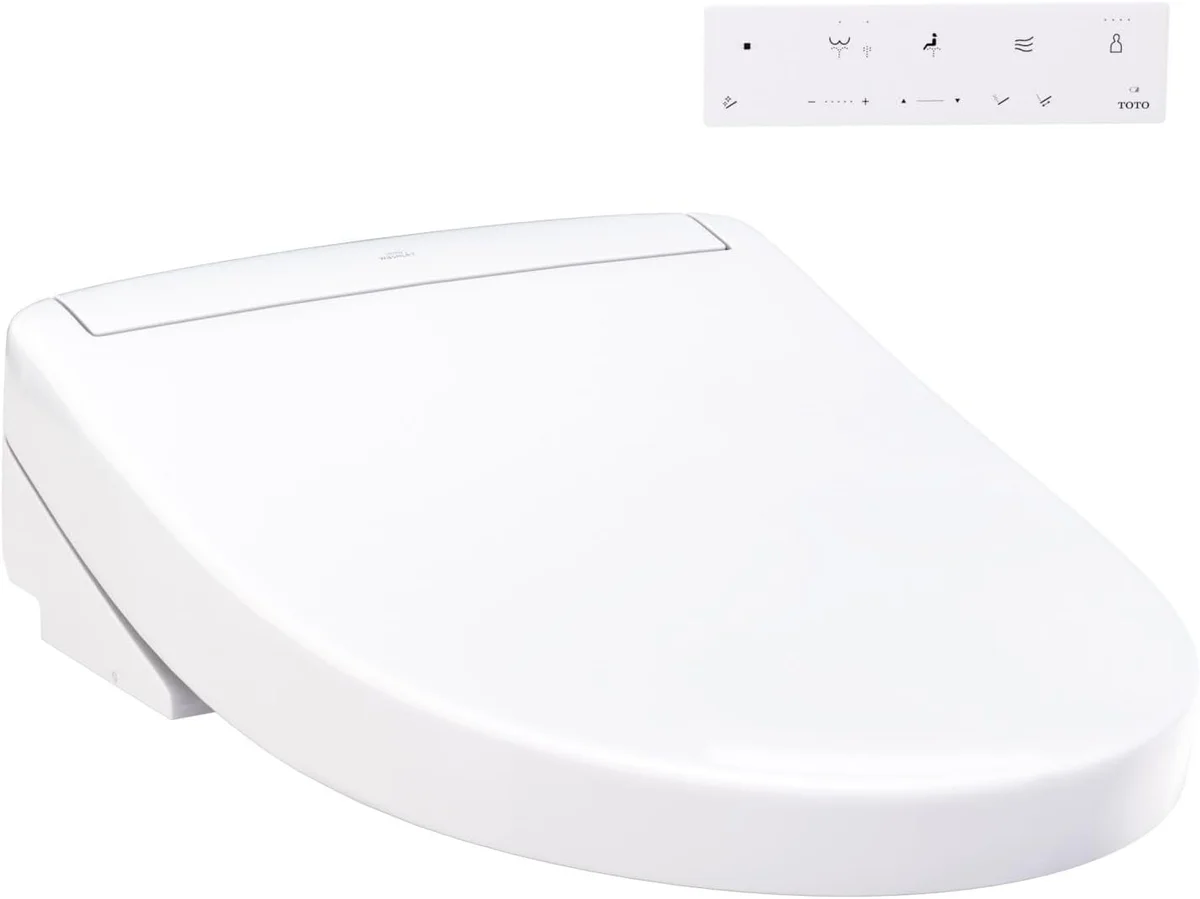
Decision one: electric or not
Start with power, because it gates everything else. No outlet near the toilet means a non-electric seat; an outlet opens the door to warm water, a heated seat, and a dryer.
The first decision is also the most binding, because it is the one your bathroom makes for you. An electric bidet seat needs a grounded GFCI outlet within about three feet of the toilet; if there is no outlet there, you are choosing a non-electric bidet seat until an electrician changes that. Settle this first and half the catalog disappears in a single step, which is exactly what you want — a shorter list to think about. Brands make the split obvious: Brondell and Kohler both sell parallel electric and non-electric lines so the same buyer can land on either side of this fork.
If you do have an outlet, the question becomes whether the electric extras are worth the reliability and energy they add — warm water and a heated seat almost always are, the dryer rarely is. If you do not, a good non-electric seat is not a consolation prize: it installs in minutes, has almost nothing to break, and delivers the same wash, so plenty of buyers with an outlet still choose one for the simplicity. Either way, the power decision is the hinge the other three swing on.
Decision two: warm-water type
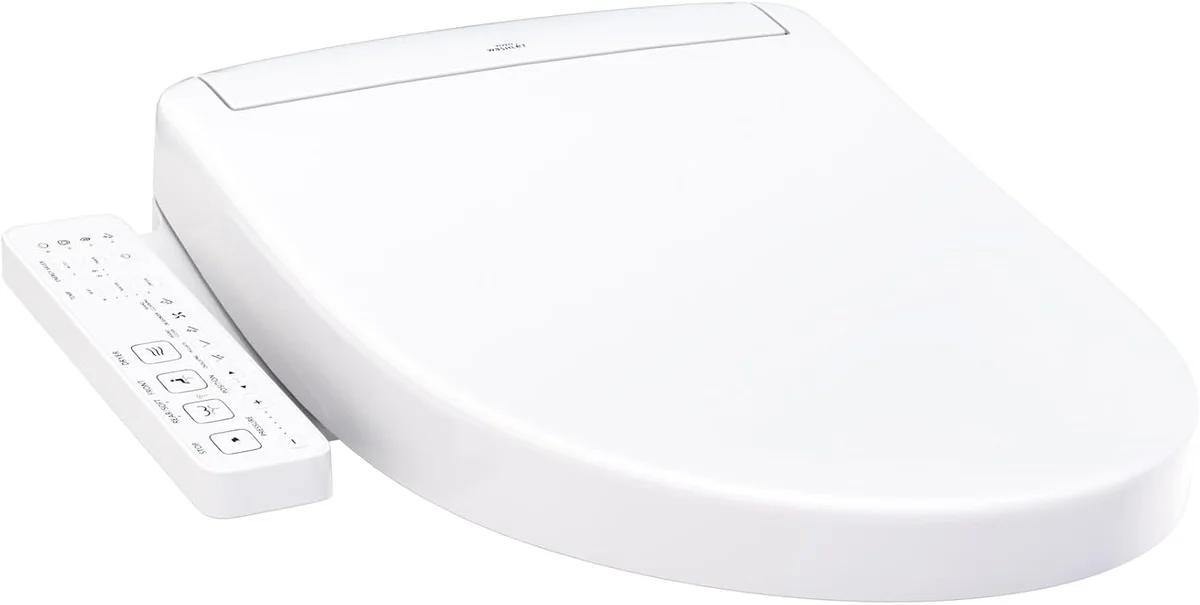
If you go electric, the warm-water type decides daily satisfaction more than any other spec. Instantaneous heating runs warm forever; a reservoir tank runs cold after about a minute.
For electric buyers, this is the decision that owners most often get wrong by ignoring it. An instantaneous (tankless) heater warms water on demand and stays warm for the whole wash; a reservoir tank holds a small pre-warmed volume and runs cold after roughly 45–60 seconds while it reheats (TOTO). The price gap between two otherwise similar seats usually buys exactly this difference, which is why it deserves more weight than the mode count or the dryer. The recurring "how long does the warm water last?" threads on r/bidets are the sound of buyers discovering the tank limit after the box arrives — a discovery the spec sheet would have spared them. The good news is that this is the easiest decision to verify in advance: the heater type is printed plainly on every electric seat’s spec sheet, so a thirty-second check before you buy settles it for good, with no guesswork and no reliance on the marketing copy.
Decision three: will it fit
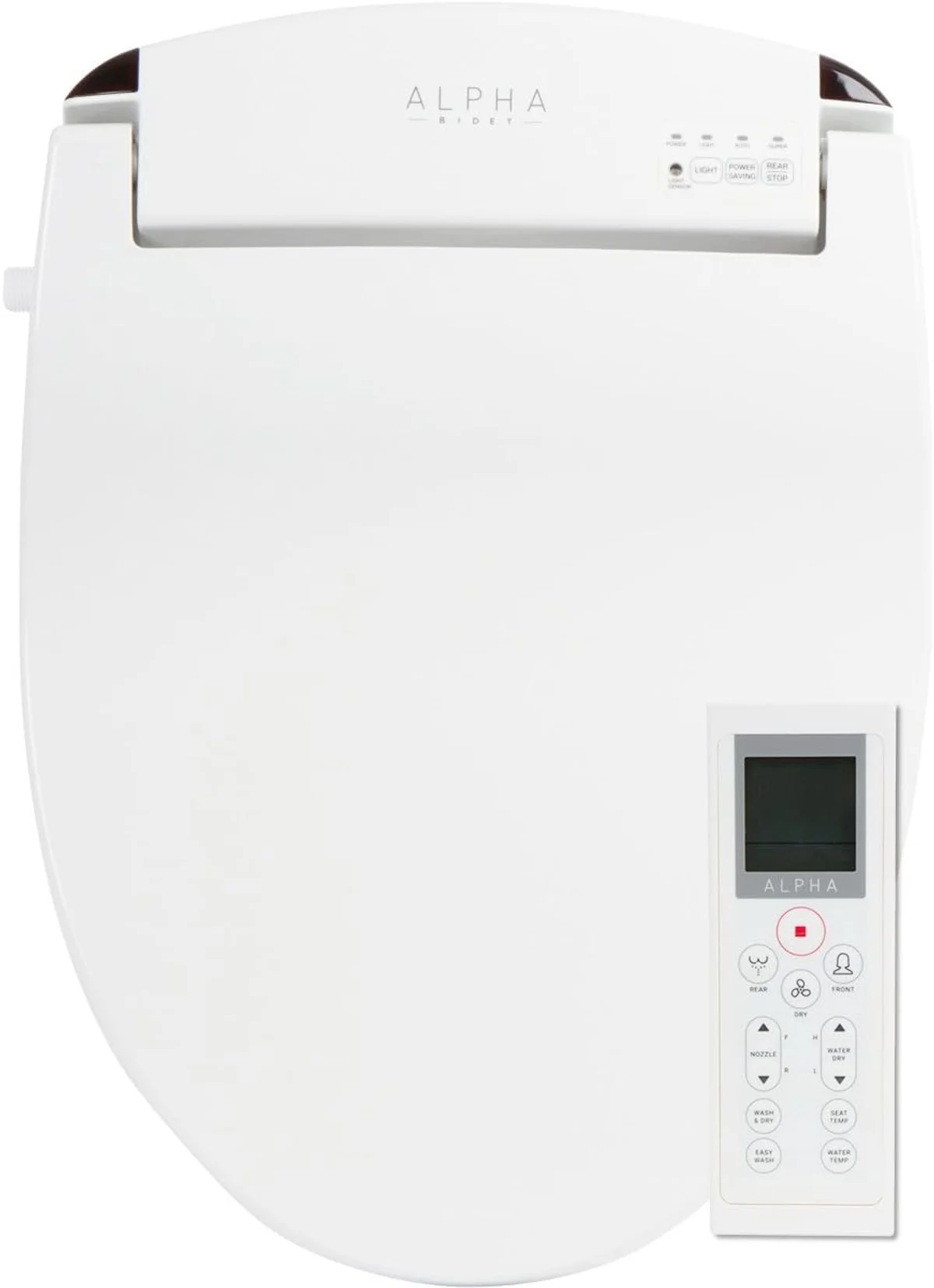
Fit is a hard gate, not a preference. Bowl shape, rear clearance, and — for electric seats — outlet access decide whether a seat can be installed at all, and an ill-fitting seat is the most common return.
Before any feature, confirm the seat will physically mount. Most seats are elongated-only, so a round bowl rules out the majority of the catalog; there must be a few inches of clearance behind the bowl for the control housing; and electric seats need that outlet. These are measurements, not opinions, and taking them with a tape measure before you buy is the single cheapest insurance in the purchase — the full method is in our size and fit guide. Skip this step and you risk the most common disappointment in the category: a great seat that does not fit your toilet.
- Bowl shape Elongated only Measure your bowl — elongated-only seats overhang the other shape.
- Mounting clearance 50 mm behind seat Tank-to-seat gap must clear the control housing.
- Power None — non-electric No outlet needed.
- Water-line access T-valve included; standard 7/8-inch toilet supply; bolt spread 5.5 in Shut-off valve and supply line must accept the tee.
Check every axis against your toilet before buying
Decision four: which features
Only after power, warm water, and fit are settled do features matter — and then only a few of them. Weight the heated seat and wash quality highly, the dryer and auto-features barely.
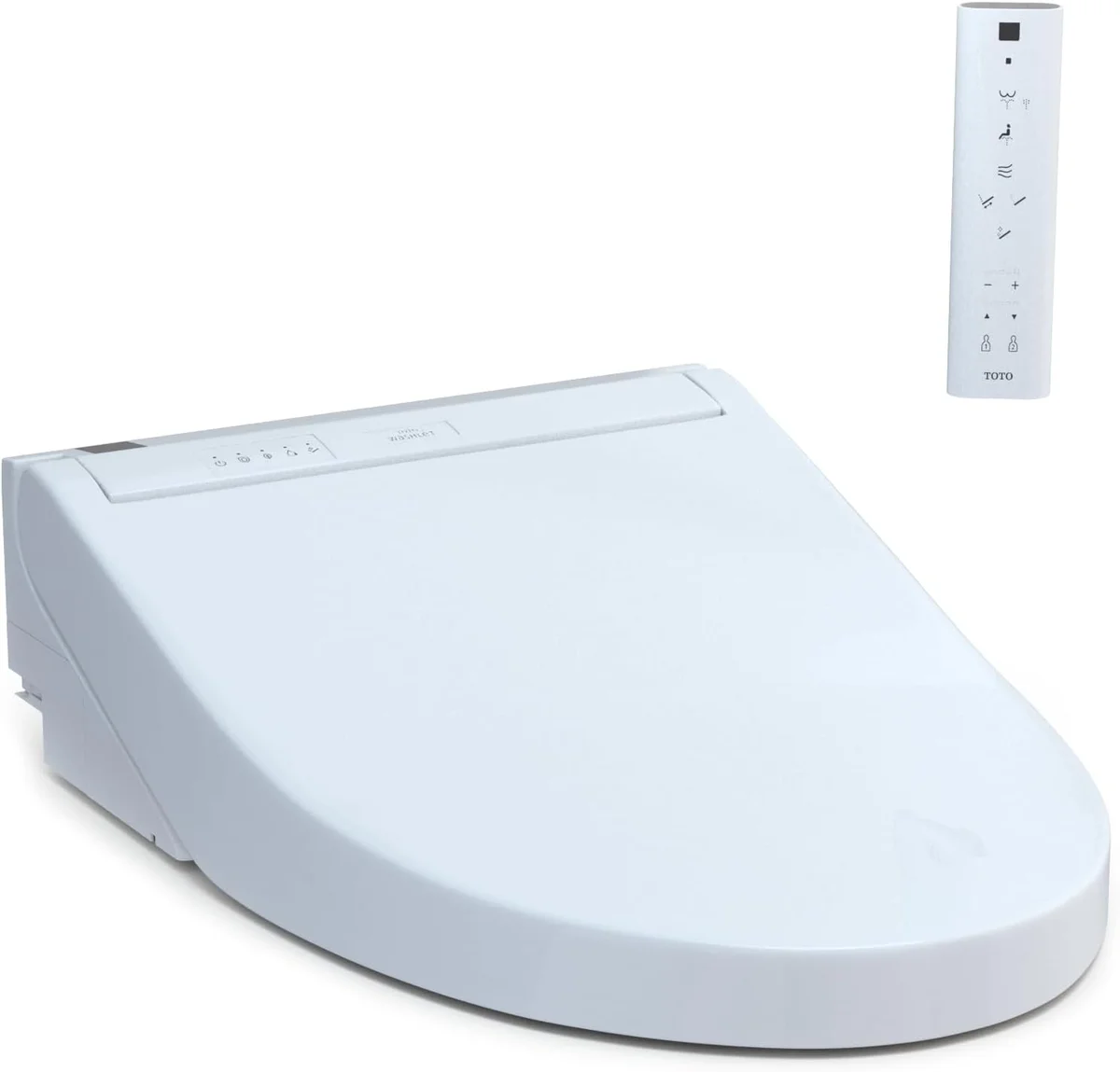
With the first three decisions made, the shortlist is small and the features sort themselves quickly. The the heated bidet seat is the comfort owners notice first and would keep last; wash quality — nozzle position, pressure range, and oscillation — decides whether the clean is complete; nozzle self-cleaning is a quiet hygiene win. Below those, the dryer is slow, and auto-open lids and deodorizers are pleasant but rarely deciding. Our features that matter guide ranks them in full, but the headline is that a seat strong where it counts beats a loaded seat that is merely average, every time.
The pattern across r/bidets buying threads is that the happiest owners decided power and warm-water type first and treated the feature list last — and the regretful ones did it backwards, buying on features and discovering a fit or warm-water problem after.
Why a seat over the alternatives
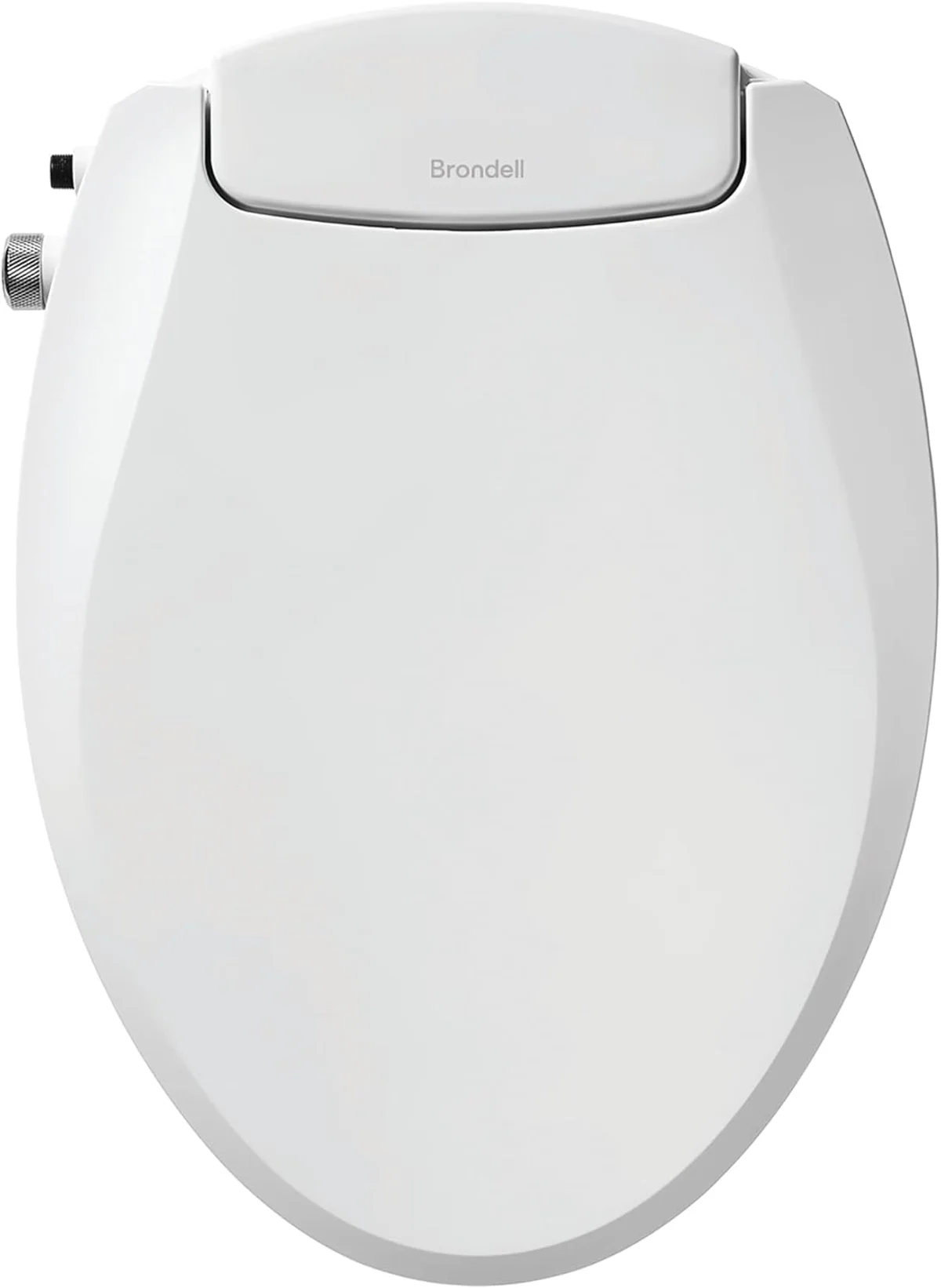
A bidet seat is one of several ways to add a wash. It wins on integration: where an attachment, a handheld sprayer, or a standalone fixture each compromise, the seat builds everything into one designed unit.
It helps to know what a bidet seat is competing against, because the comparison is what makes the seat worth its price. A clip-on bidet attachment is cheaper but leaves your ordinary seat sitting slightly higher and adds nothing a basic seat does not; a handheld sprayer gives manual control but no preset, hands-free wash; and a standalone bidet fixture needs a second floor drain and a bathroom remodel most homes will never justify. The seat is the option that integrates the nozzle, the controls, and — when electric — the warmth into the thing you already sit on, with a ten-minute install and no remodel. That is why, across r/bidets, the bidet seat is the form factor most first-time buyers settle on once they understand the trade-offs.
The category also spans a wide price and capability range, which is a feature rather than a flaw once you have the four decisions in hand. A simple non-electric seat from Brondell and a flagship instantaneous-heating model from TOTO are the same idea executed at opposite ends, and the decisions above are what place you on that line. Rather than asking "which bidet seat is best" in the abstract, the four-decision sequence answers the only question that matters: which seat is best for your bathroom, your bowl, and your budget.
Work the decisions into a pick
Run the four decisions against real models: start with our best bidet toilet seats roundup, follow the how to choose a bidet seat guide to walk them in order, or read the TOTO WASHLET S5 review for a worked example.
Bidet seat starter questions
What is a bidet seat?
A bidet seat is a replacement toilet seat that sprays a directed water wash from a built-in nozzle. Non-electric models use cold tap water; electric models add warm water, a heated seat, and a dryer, and need a nearby outlet.
What is the first thing to decide when buying a bidet seat?
Whether you have an outlet near the toilet.
Are bidet seats hard to install?
No. A bidet seat replaces your existing seat and splices into the toilet’s cold supply with an included T-valve, so most owners fit one in under an hour with no plumber. Electric seats add only the step of plugging into a nearby grounded outlet, which is why confirming that outlet exists comes first.
How much should you spend on a bidet seat?
Enough to clear the feature that matters: a non-electric seat for a cold wash, or an electric seat with instantaneous heating if you want continuous warm water. Spending more for a dryer or auto-open lid rarely changes daily satisfaction, so the smart budget targets warm-water type and reliability rather than the longest feature list.
What is the most common bidet seat buying mistake?
Buying on the feature list before checking that the seat fits the bowl and that an outlet is in reach.
Sources
- TOTO USA — WASHLET range and specifications. Accessed 2026-05-27.
- Brondell — electric and non-electric bidet seats. Accessed 2026-05-27.
- Kohler — bidet seat lines. Accessed 2026-05-27.
- r/bidets community owner reports. Accessed 2026-05-27.