Electric Bidet Seats: What the Outlet Actually Buys
An electric bidet seat plugs into a grounded outlet to add three things a cold-water seat cannot: warm wash water, a heated seat surface, and a warm-air dryer. That power is also what makes warm-water type, reliability, and the GFCI requirement matter far more than they do on a non-electric seat.
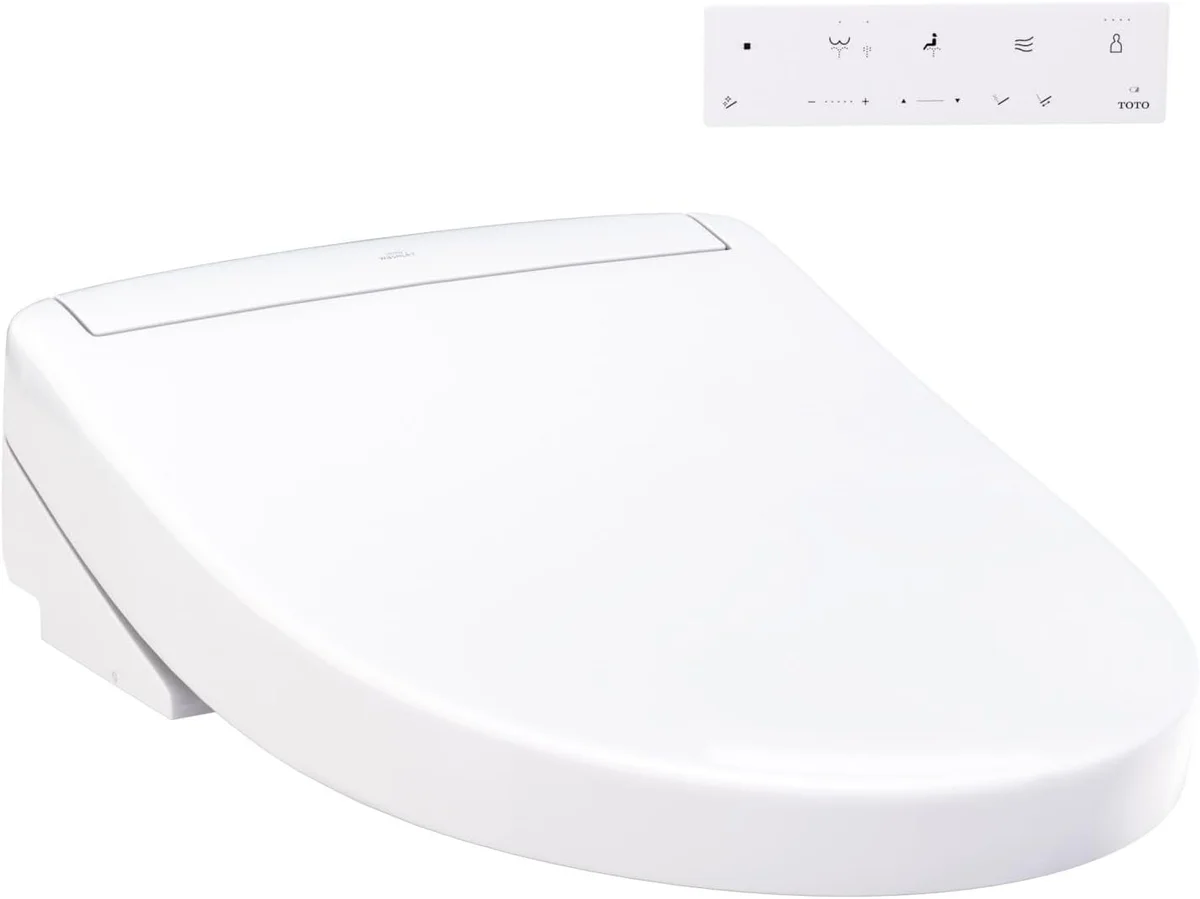
The three things the plug buys
Electricity adds exactly three functions over a non-electric seat: warm water, a heated seat, and an air dryer. Two of the three are genuine upgrades; the third, the dryer, rarely earns its place.
Strip away the spec-sheet language and an electric seat does three things a cold-water seat cannot. It warms the wash; it holds the seat surface around 86–97°F so winter mornings stop being a shock; and it finishes with a stream of roughly 104°F air (TOTO USA). The heated seat is the feature owners say they notice first and miss most; the warm wash is the headline; the dryer is the one most owners quietly stop using. Each maps to a separate buying question, so it helps to weigh them apart rather than as one "electric" bundle.
| Electric-only function | What it delivers | How much owners value it |
|---|---|---|
| Warm wash water | Heated stream (instantaneous or tank) | The headline reason to go electric |
| Heated seat | Surface held near 86–97°F | Noticed first, missed most |
| Warm-air dryer | ~104°F air to finish | Over-sold; most still use paper |
| Pre-mist / auto features | Wets bowl, deodorizer, auto-open | Convenience, not deciding factors |
Warm water is the headline — and the catch
Going electric does not guarantee endless warm water. The heater type does. Instantaneous seats run warm indefinitely; reservoir-tank seats run cold after about a minute.
The most expensive mistake a first-time electric buyer makes is assuming "electric" means "endless warm water." It does not. An instantaneous (tankless) heater warms water on demand and stays warm as long as you run it; a reservoir tank stores a small pre-warmed volume and runs cold after roughly 45–60 seconds while it reheats. On the r/bidets BioBidet BB-1000 owner threads the single most-asked pre-purchase question is literally how long the warm water lasts — the tell that this is the axis that catches people out.
Heater type tracks the model line, not the price tier, which is why two electric seats at a similar tier behave differently mid-wash. The table groups representative electric seats by heater so you can place any model you are weighing before you read a single review.
| Representative electric seats | Heater | Warm-water behavior |
|---|---|---|
| TOTO S7A, S5, KS5; Alpha JX2; Brondell S1400 | Instantaneous | Continuous — warm as long as you run it |
| TOTO C5, C2, S2 | Reservoir tank | Warm seconds, then cold while it reheats |
| BioBidet BB-1000, BB-550; SmartBidet SB-1000 | Reservoir tank | Warm seconds, then cold while it reheats |
| BioBidet BB-2000 Bliss | Hybrid (tank + supplemental heater) | Continuous warm water beyond a single tank cycle |
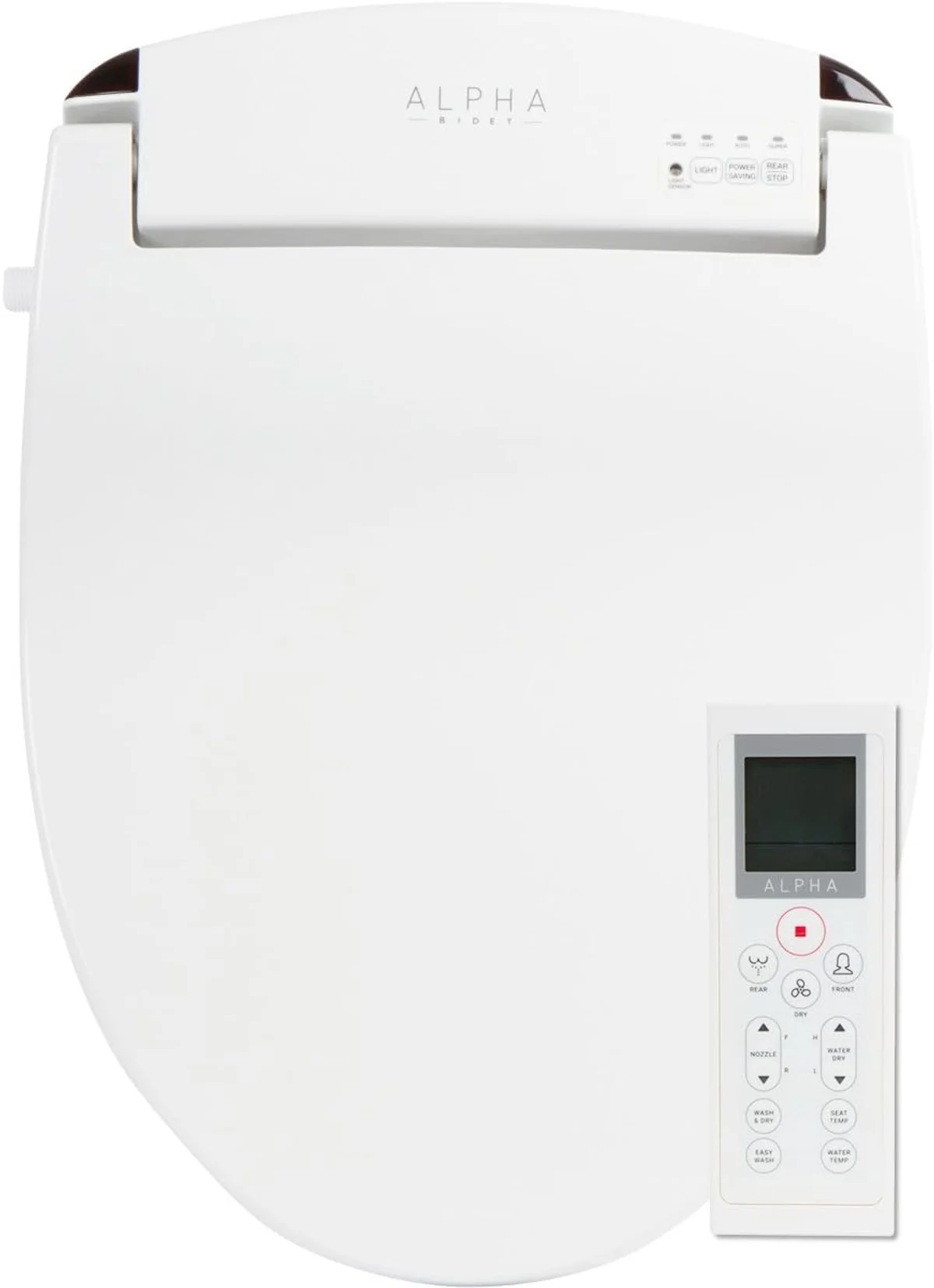
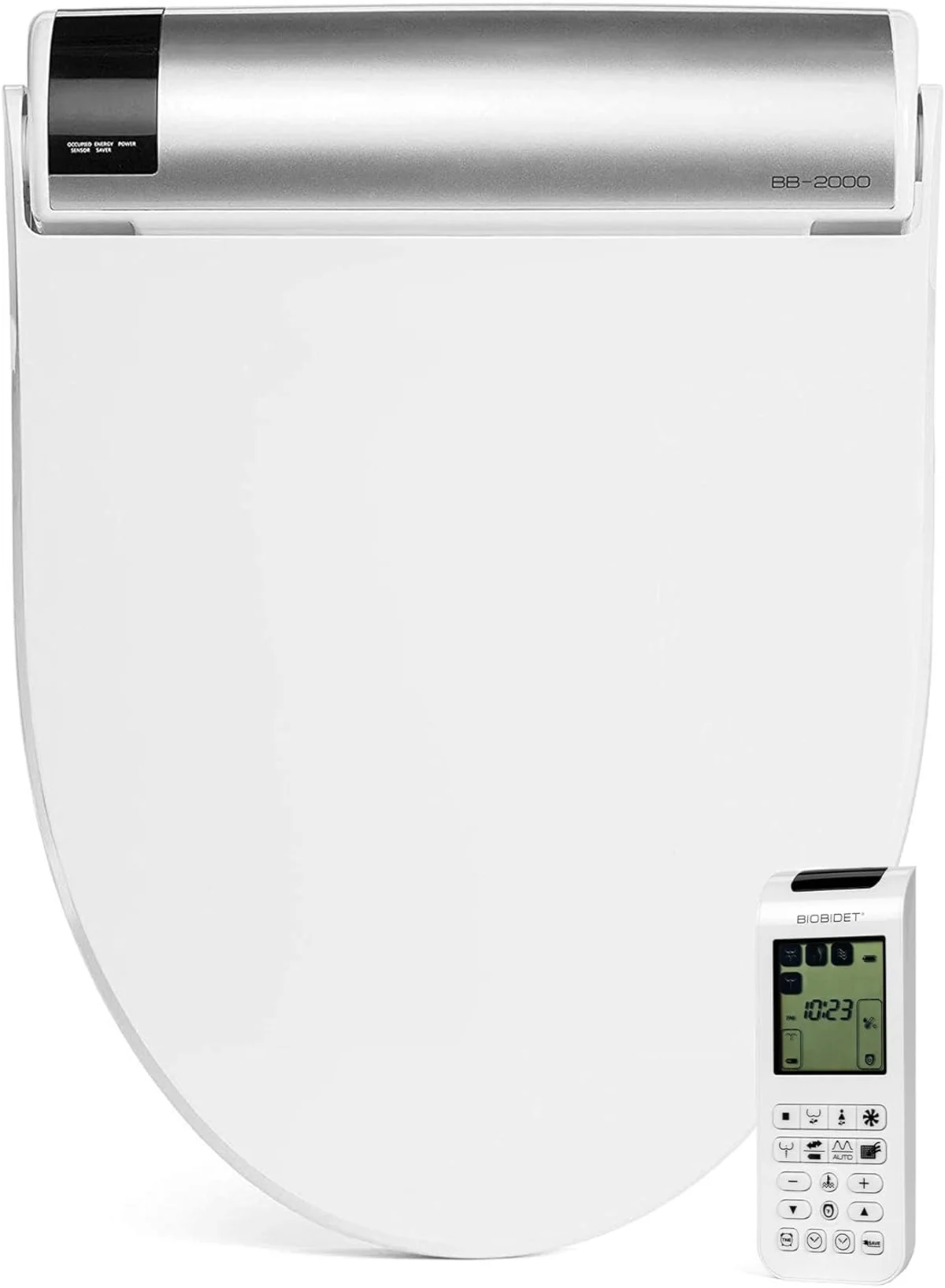
The dryer rarely earns its plug
The warm-air dryer is the most over-sold electric feature. At roughly 104°F it takes minutes to finish, so most owners still pat dry with a square of paper.
Of the three things the outlet buys, the dryer is the one owners abandon. Warm air at about 104°F dries slowly — minutes, not seconds — so in practice most owners still finish with a small square of paper rather than wait (Horow). When community threads weigh whether the extra hundreds for a top-tier seat are worth it, the dryer is almost never the feature that tips the decision; warm-water type and seat comfort are. Treat the dryer as a bonus, not a paper replacement, when you decide how much electric seat to buy.
55-point gap · Owners treat it as a finishing breeze, not a dryer
Reliability is the hidden electric tax
Adding electronics adds failure points. On cheap electric seats, early electronic failure is the recurring owner complaint — which is why warranty and brand record matter more once you plug in.
A non-electric seat has almost nothing to break; an electric seat adds a heater, a pump, a control board, and a remote, and every one is a thing that can fail. The pattern in owner reports is consistent: budget electric seats such as the Brondell EcoSeat S101 draw repeated "failed within a year" threads on r/bidets, while a long-run thread on the TOTO C5 titled "after 2 years, here's why you shouldn't buy it" shows even established models accumulate specific gripes over time. The lesson is not "avoid electric" — it is that warranty length and a brand's repair record carry real weight once electronics are in the seat, and the cheapest electric seat is rarely the cheapest to own.
Across the r/bidets budget-electric threads, the most common second complaint after warm water running cold is a control board or remote that stops responding within the first year or two — the failure owners did not price in.
This is also why mid-tier seats from TOTO and Bio Bidet dominate the "first good electric seat" recommendations: they pair warm water with a warranty long enough to outlast the early-failure window that sinks the cheapest models. If your budget only reaches a bargain electric seat, a quality non-electric seat is often the sturdier buy.
The outlet is a hard gate
Before any electric seat is even an option, you need a grounded GFCI outlet within about three feet of the toilet. No nearby outlet means no electric seat until an electrician adds one.
Every electric seat ships with a short cord — about three feet — because code and safety rule out extension cords near a bathroom water source, and the outlet must be a grounded GFCI type (TOTO USA). Older bathrooms often have no outlet behind the toilet at all, which turns the electric-vs-non-electric choice into a wiring decision — our guide to the electric-seat install reality walks the outlet job in full: budget an electrician, or buy a non-electric seat. We cover the full fit sequence — bowl shape, rear clearance, and power — in our explainer on how bidet seats work, and the practical install tradeoffs in non-electric bidet seats.
Ready to pick an electric seat
Turn the warm-water-and-reliability math into a shortlist: start with our best bidet toilet seats roundup, work through the how to choose a bidet seat guide to weigh heater type against budget, or compare a reservoir seat with an instantaneous one in our TOTO S2 vs S5 head-to-head. For a long-term read on one feature-loaded seat, our Bio Bidet BB-2000 review tests it against owner reports.
Electric bidet seat questions
Do electric bidet seats need a dedicated outlet?
They need a grounded GFCI outlet within about three feet of the toilet. Extension cords are unsafe in a bathroom, so if there is no outlet nearby, an electrician has to add one before an electric seat is an option at all.
How long does warm water last on an electric seat?
It depends entirely on the heater. Instantaneous (tankless) seats run warm for as long as you hold the button. Reservoir-tank seats — most BioBidet, SmartBidet, and TOTO C-series models — deliver a pre-warmed tank that owners report runs cold after roughly 45 to 60 seconds, then needs time to reheat before the next wash. That single difference is the question owners on the BioBidet BB-1000 threads keep asking before they buy.
Is the dryer on an electric bidet seat worth it?
For most owners, no.
Are cheap electric bidet seats reliable?
Less so than the price suggests. The recurring complaint in owner threads on budget electric seats — the Brondell EcoSeat S101 is the example owners name most — is electronics that fail inside the first year or two, which is exactly where warranty length and brand track record start to matter more than the sticker price.
Can an electric bidet seat fit a round toilet?
Rarely. Most electric seats are elongated-only because the control housing needs the room, so round-bowl owners have a much shorter shortlist and should confirm bowl shape before buying.
Sources
- TOTO USA — WASHLET product line and specifications. Accessed 2026-05-27.
- Bio Bidet — electric seat product line. Accessed 2026-05-27.
- r/bidets community owner reports. Accessed 2026-05-27.
- Horow — bidet use, types, benefits and risks. Accessed 2026-05-27.