Non-Electric Bidet Toilet Seats Compared: Which Model to Pick
The non-electric bidet toilet seats worth buying come down to a short list — the Brondell Swash EcoSeat, the TUSHY Wave, and a few budget seats. They all wash cold on house pressure, so the choice is build quality, whether you want a warm-water hookup, and price.
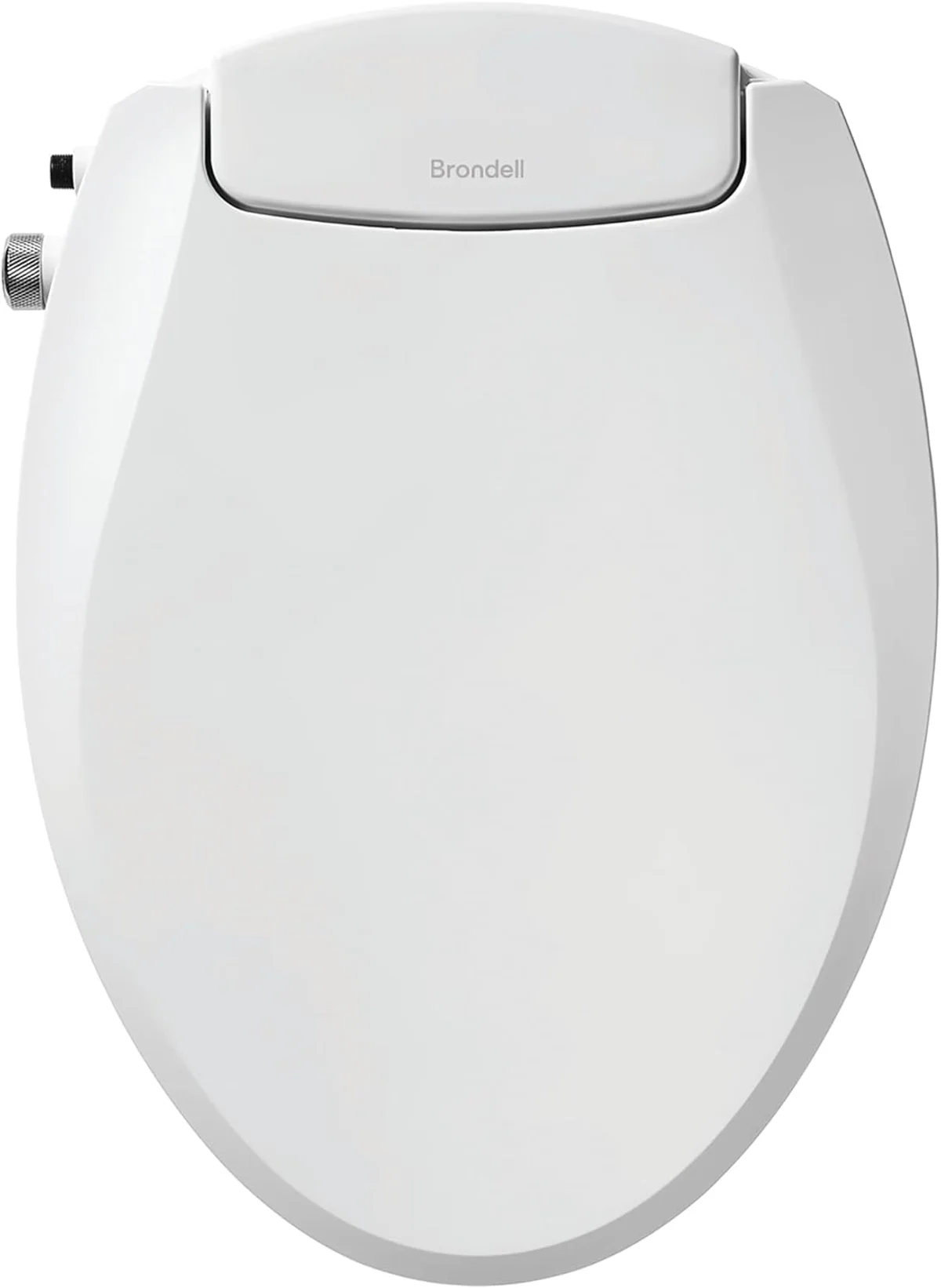
The non-electric shortlist
Four names cover almost every non-electric buyer: the Brondell Swash EcoSeat as the default, the TUSHY Wave for design and warm water, the Clirass for the tightest budget, and a clip-on attachment for the cheapest possible entry.
The non-electric field is small, which makes the decision easy once you see it laid out. The Brondell Swash EcoSeat is the most-recommended starter because it pairs dual nozzles and adjustable pressure with the support of a major bidet brand, and it is the seat most owners on the forums name first. The TUSHY Wave is the design-led pick, with a cleaner look and — uniquely in this group — a warm-water-hookup option for buyers who want warmth without an outlet. The Clirass and similar budget seats cover the bottom of the market, where price is the only hard constraint. Below those sits the clip-on attachment, which is not a seat at all but the cheapest way into a real bidet wash. A non-electric model from Brondell bidet seats or its rivals washes every bit as well as a TOTO bidet seats electric flagship; what you are choosing between here is feel and price, not cleaning.
| Model | Why pick it | Warm water? |
|---|---|---|
| Brondell Swash EcoSeat | Safe default; brand support | No |
| TUSHY Wave | Design-led; warm option | Hookup version |
| Clirass | Tightest budget | No |
| Clip-on attachment | Cheapest entry point | Some two-temp |
Brondell vs TUSHY, head to head
The two seats most buyers actually weigh against each other are the Brondell Swash EcoSeat and the TUSHY Wave. Both wash cold with dual nozzles on house pressure, so the real differences are build character, the warm-water option, and price.
Put the two side by side and the contrast is consistent. The Brondell leans utilitarian and reliable: owners step past the bare S101 trim for a sturdier feel, but the EcoSeat hardware is well-proven and backed by a brand that answers warranty claims. The TUSHY Wave leans design-led, with a cleaner profile and the one feature the Brondell lacks — a warm-water-hookup version that plumbs a hot line for warmth with no outlet, at a higher price and a fiddlier install. Neither wins on the wash itself, which is the same aimable spray on both. The honest split is that the Brondell is the value-and-support pick and the TUSHY is the looks-and-warm-water pick. Buyers who want a heated seat or a warm-air dryer should not be in this comparison at all — those need power, and the choice moves to an electric model from Kohler bidet seats or Brondell bidet seats instead.
On r/bidets the recurring advice for non-electric is to buy the Brondell EcoSeat unless you specifically want the TUSHY look or its warm-water hookup — and to skip the no-name seats whose hinges and nozzles owners report failing early.
Reading the build tiers
Non-electric seats fall into three rough bands — budget, mid, and design-led — set by hinge feel, nozzle finish, and lid quality. Knowing the band a model sits in predicts how it will feel far better than the spec sheet does.
Because every non-electric seat washes on the same house pressure, the spec sheets look almost identical, which is exactly why build tier matters more here than features. The budget band — the Clirass and most no-name seats — gets you a working dual-nozzle wash and a quiet-close lid, but thinner plastics and hinges that owners sometimes replace within a year or two. The mid band, where the Brondell Swash EcoSeat lives, adds sturdier hardware, a better-finished nozzle, and a brand that stands behind the part if it fails. The design-led band, led by the TUSHY Wave, spends the extra money on look and on the warm-water option rather than on a fundamentally better wash. The recurring forum lesson is that the cheapest seats are the ones owners regret, not because the wash is bad but because the hinges, lid, and nozzle wear out — so spending a little to clear the budget band is usually the highest-value move in the whole category (Horow).
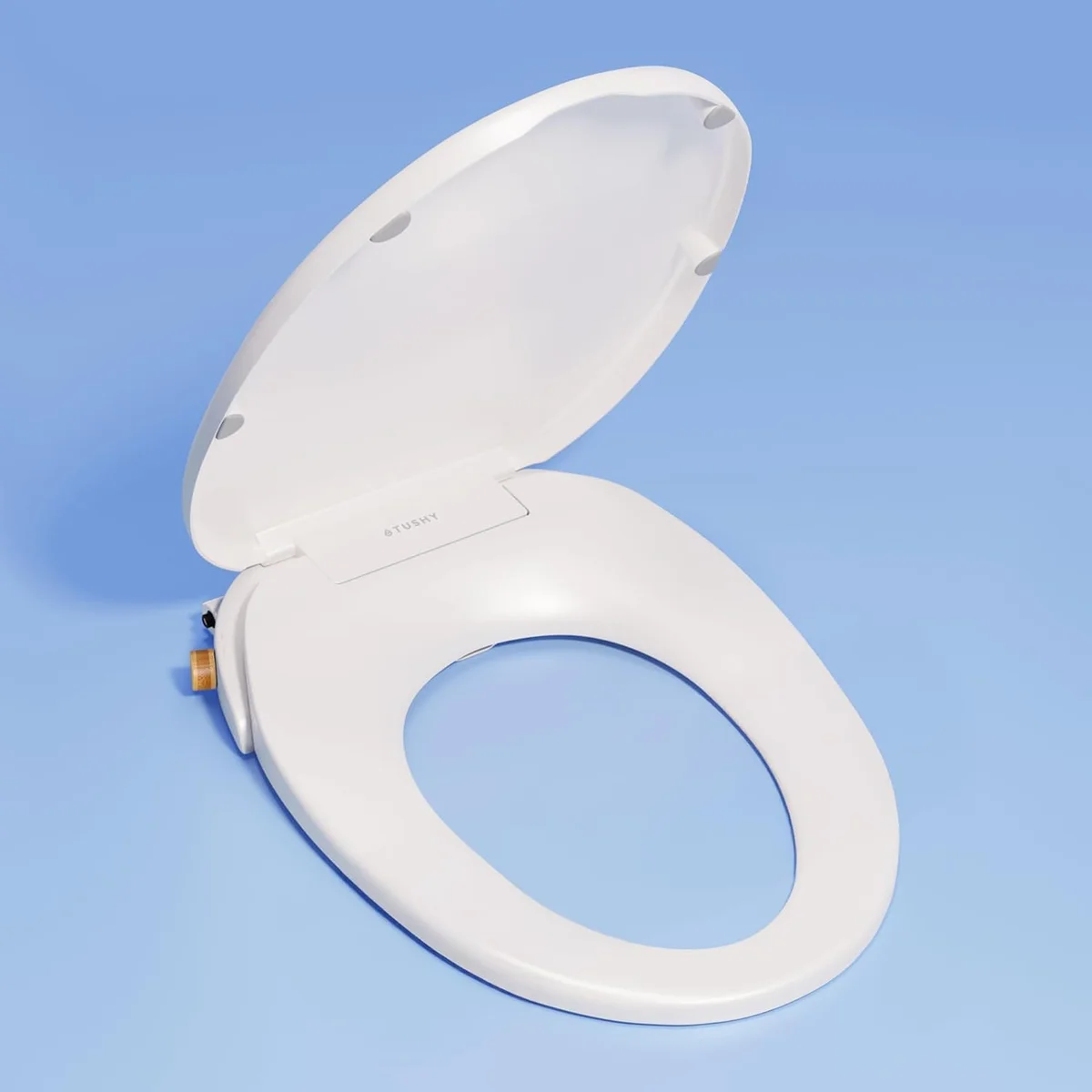
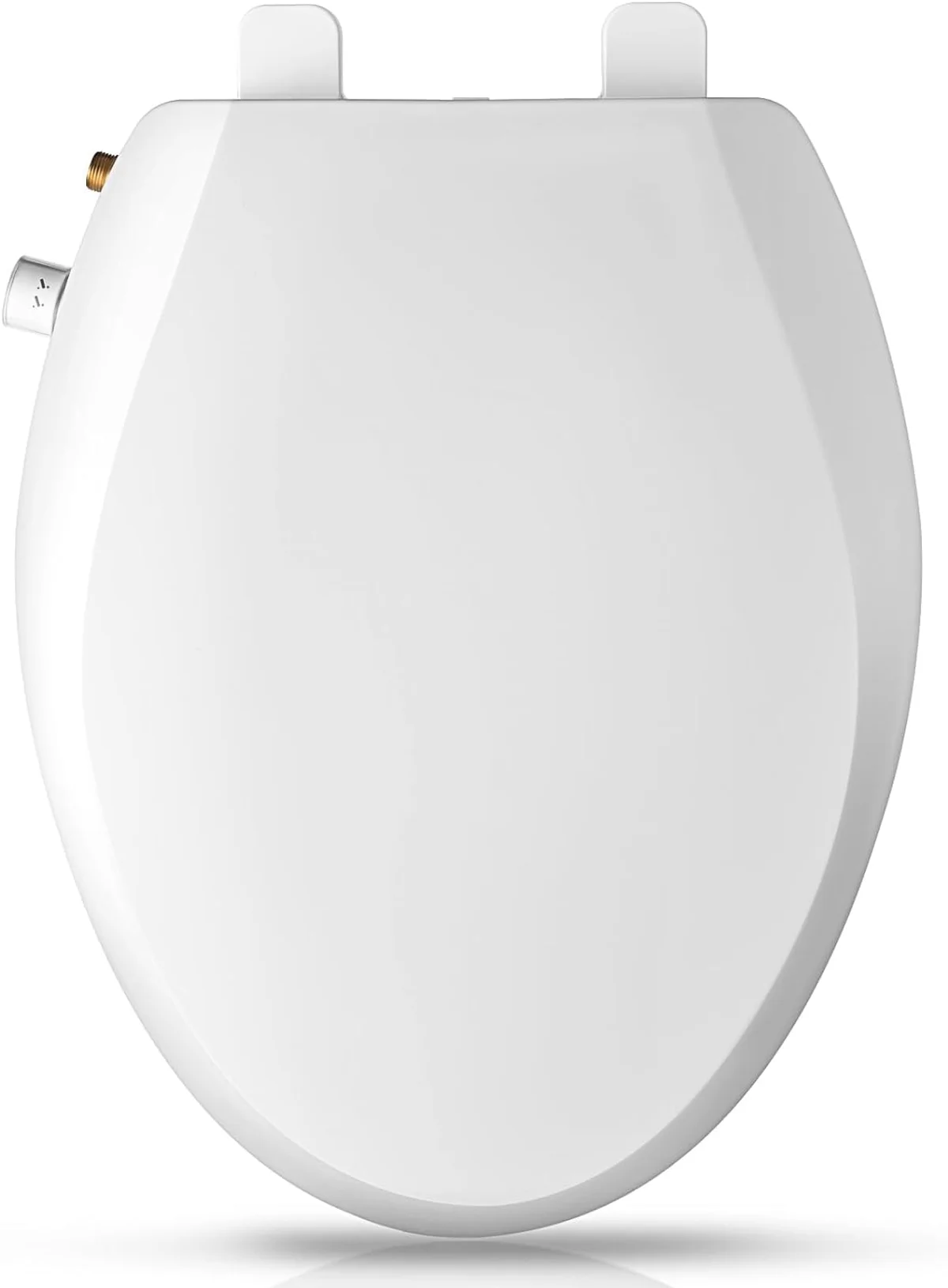
The warm-water exception
If warm water is the deciding feature but an outlet is impossible, one narrow group of non-electric seats — the warm-water-hookup models, led by the TUSHY warm version — is the only path. It trades a fiddlier install for warmth without power.
Most non-electric seats are cold-only, so the warm-water-hookup models are worth calling out as their own sub-category. Instead of heating water electrically, they splice into a hot line — usually under the sink or from the water heater — and blend it to a comfortable temperature at the seat. The install is more involved than a standard T-valve splice, and the warm supply has to reach the bathroom, but for a renter or a no-outlet bathroom that genuinely wants warm water, it is the only option short of rewiring. The TUSHY warm version is the best-known, and a few two-temperature seats offer the same trick. This is the one case where a buyer should pay up within the non-electric category rather than treat all the models as interchangeable — everywhere else, the wash is the same and value wins.
Which model holds its value
Sticker price is only half the comparison. Because a non-electric seat has so little to fail, the model that lasts longest is usually the cheapest to own — and that is where the mid-tier Brondell pulls ahead of the budget seats it barely outprices.
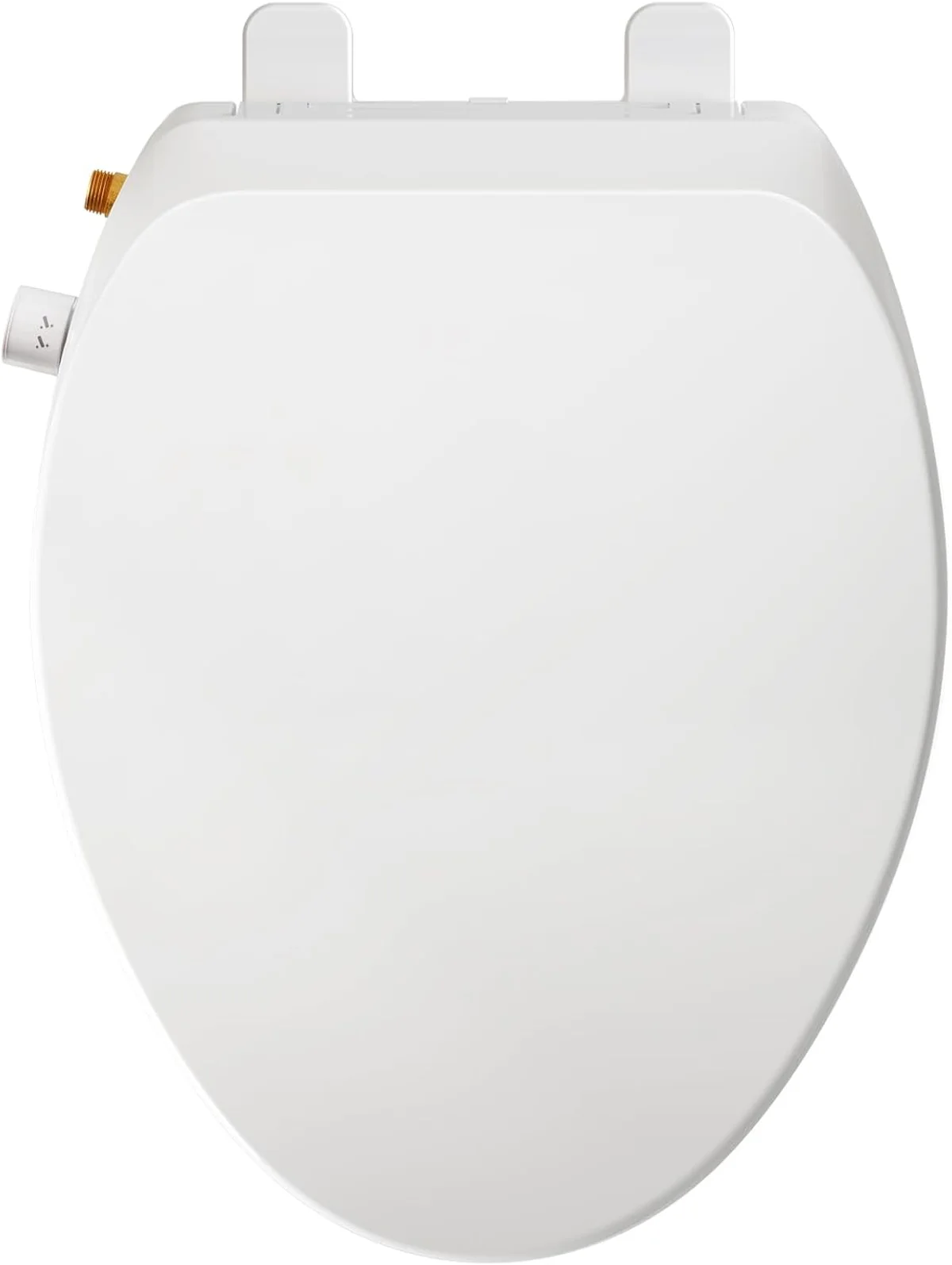
The fairest way to rank these models is by cost over a few years, not at checkout. Every non-electric seat here shares the same two failure points — the nozzle assembly and the T-valve splice — so the difference in durability comes down to hardware quality and brand support, exactly the things build tier captures. A budget seat that needs its hinges or nozzle replaced inside two years can end up costing more than the Brondell Swash EcoSeat it undercut, because the EcoSeat's sturdier parts and warranty backing mean it rarely reaches that point. The TUSHY Wave sits higher still on purchase price, and its value case rests on the warm-water option and the look rather than on outlasting the Brondell. None of these seats draws standby power the way an electric model's heated seat does, so running cost is effectively zero across the board — which pushes the whole decision back onto durability. Spend just enough to clear the budget band, and the non-electric seat you pick will almost certainly be the cheapest real bidet you could have owned.
Pick your non-electric seat
Ready to choose: see the ranked picks in our best bidet toilet seats roundup, read the category basics in non-electric bidet seats, or work out whether non-electric is even your call in bidet toilet seats non-electric.
Questions about choosing a model
Which non-electric bidet toilet seat is best?
For most buyers the Brondell Swash EcoSeat is the safe default — it is the most-recommended starter, has dual nozzles and adjustable pressure, and comes from a major bidet brand with real support. The TUSHY Wave wins on design and is the one to pick if you want a warm-water hookup; the Clirass covers the tightest budget.
What is the difference between the Brondell and the TUSHY non-electric seats?
Both wash cold on house pressure with dual nozzles, so the clean is comparable. The split is build and warmth: Brondell leans utilitarian and reliable, while TUSHY leans design-led and offers a warm-water-hookup version that Brondell does not, at a higher price.
Is a cheap non-electric bidet seat worth buying?
Often yes.
Do any non-electric bidet seats have warm water?
A few do, through a warm-water hookup rather than a heater. The TUSHY warm-water version and a small group of two-temperature seats tap a hot line from the sink or water heater, giving warm water with no outlet — the only way to get warmth on a non-electric seat, at the cost of a fiddlier install.
Is a non-electric seat or a clip-on attachment the better buy?
A non-electric seat replaces your toilet seat and gives a soft-close lid and a finished look; a clip-on attachment slides under your existing seat for less money and an even simpler install. The seat is the better long-term buy for most homes, while the attachment is the cheapest possible entry point and the easiest to move between toilets.
Sources
- Brondell — Swash EcoSeat non-electric line. Accessed 2026-05-27.
- TOTO — Washlet range for electric comparison. Accessed 2026-05-27.
- Horow — bidet use, types, benefits and risks. Accessed 2026-05-27.
- r/bidets community owner reports. Accessed 2026-05-27.