Bidet Seat Size and Fit: Settle It Before You Buy
A bidet seat fits your toilet when the bowl shape matches, there is clearance behind the bowl for its control housing, and — for electric seats — an outlet is within reach. Three measurements settle it, and getting them first is the difference between a ten-minute install and a return.
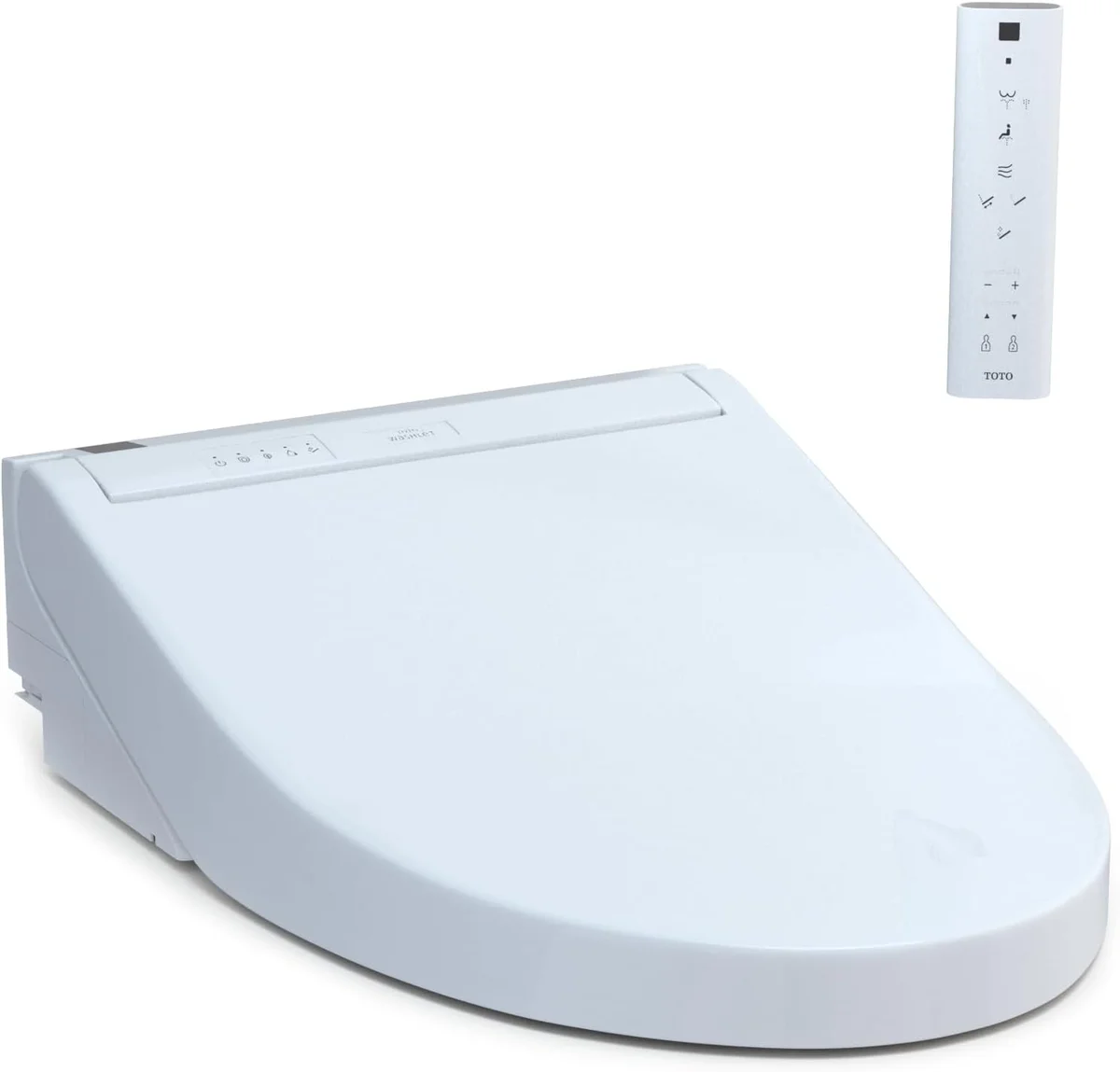
Bowl shape is the first gate
Before any feature, confirm bowl shape. Most bidet seats are elongated-only, so a round bowl rules out the majority of the catalog in one step.
Toilets come in two bowl shapes, and the split decides most of your shortlist. An elongated bowl runs roughly 18.5 inches or more from the seat bolts to the front lip; a round bowl is under about 18 inches (TOTO USA). The catalog is heavily weighted toward elongated, so round-bowl owners lose most of their options immediately — the r/bidets "any luck finding a bidet for a small round toilet?" threads are a standing reminder that this is the hardest fit case in the category. Filter for round-compatible seats first if that is your bowl, before you even look at warm-water type or the features that matter.
The most-repeated fit mistake in the r/bidets threads is buying an elongated seat for a round bowl because it "bolts on" — it does, then overhangs the front by an inch or two and never sits right.
The three measurements that decide it
Three numbers settle fit: bowl length, bowl width, and bolt spread. Take them with a tape measure before you buy, not after the box arrives.
Confirming fit is a five-minute job with a tape measure. Measure bowl length from the center of the seat-bolt holes to the front lip; measure width at the widest point; and measure the distance between the two seat-bolt holes, which is a standard 5.5 inches on nearly every US toilet and therefore rarely the problem. Length is what sorts round from elongated, and it is the number that decides whether the seat you want is even a candidate. Write all three down before shopping so you are matching a seat to your toilet rather than hoping.
| Measurement | Typical value | What it decides |
|---|---|---|
| Bowl length (bolts to lip) | Round <18 in; elongated >18.5 in | Round vs elongated — the main gate |
| Bowl width (widest point) | ~14–14.5 in | Whether a wide seat overhangs the sides |
| Bolt spread | 5.5 in standard | Mounting — rarely a blocker |
| Rear clearance | Varies by toilet | Whether the control housing clears the tank |
- Bowl shape Elongated only Measure your bowl — elongated-only seats overhang the other shape.
- Mounting clearance 50 mm behind seat Tank-to-seat gap must clear the control housing.
- Power None — non-electric No outlet needed.
- Water-line access T-valve included; standard 7/8-inch toilet supply; bolt spread 5.5 in Shut-off valve and supply line must accept the tee.
Check every axis against your toilet before buying
Clearance, power, and weight
Past bowl shape, three smaller gates remain: rear clearance for the control housing, an outlet for electric seats, and the seat’s weight rating.
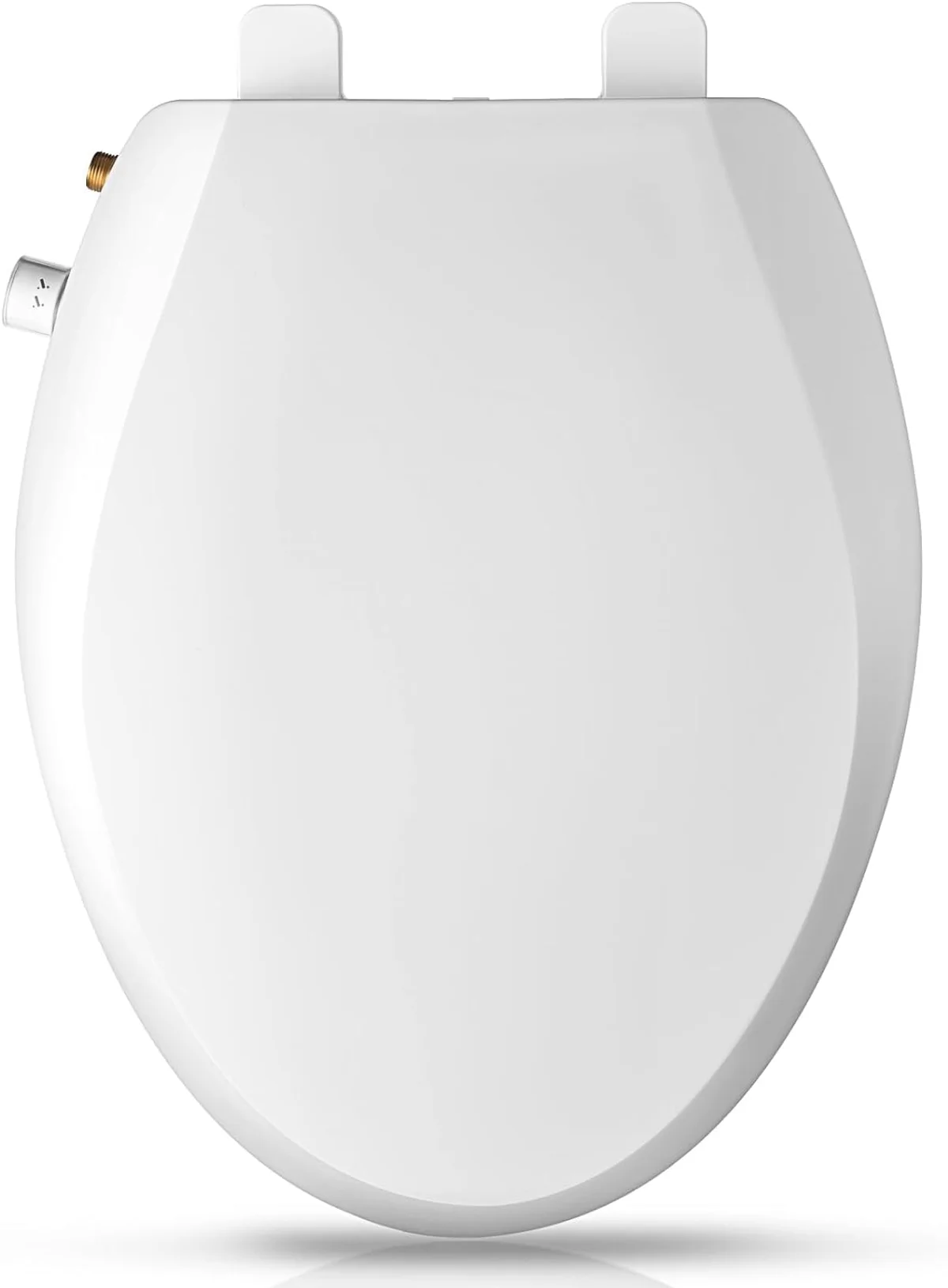
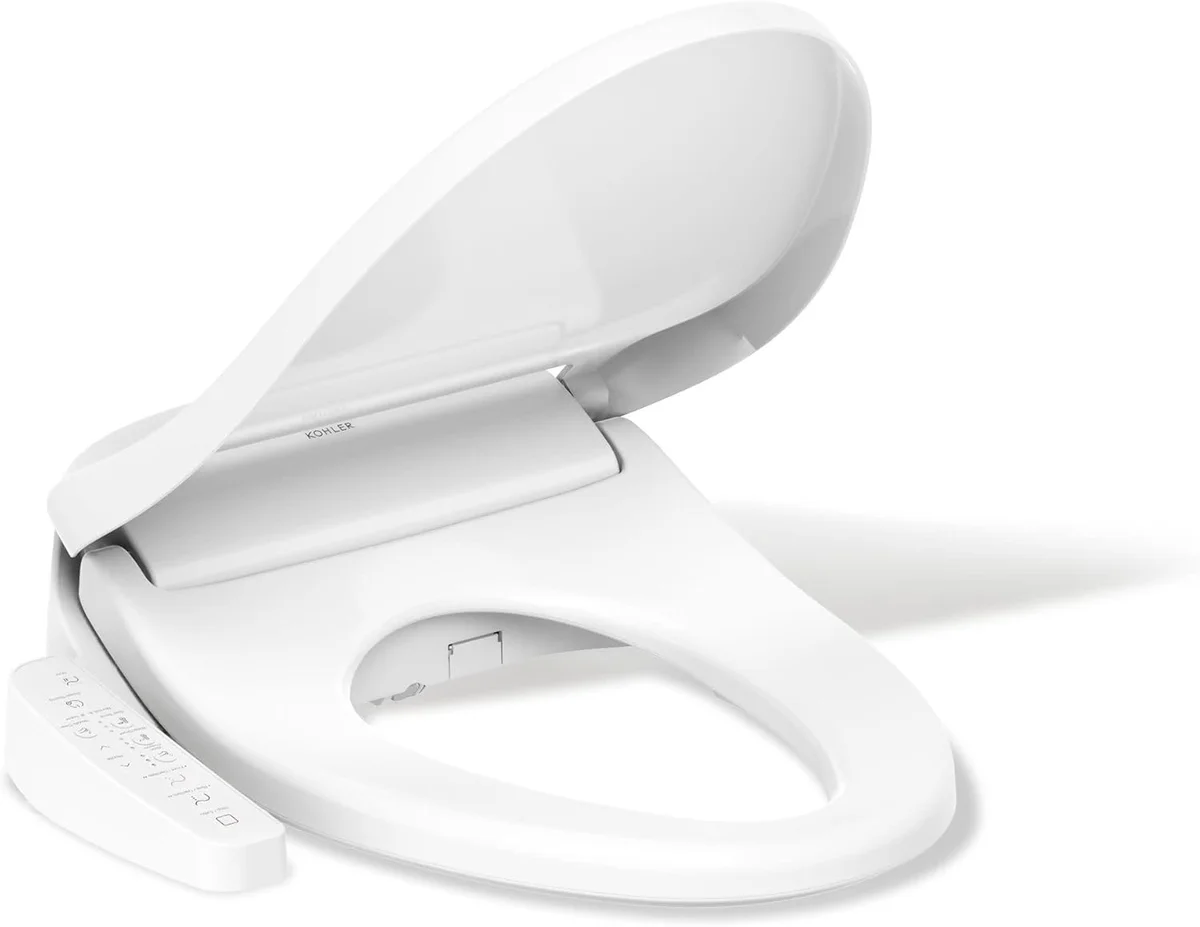
A bidet seat carries its electronics and water path in a housing behind the bowl, so it needs a few inches of rear clearance; on toilets where the tank overhangs, that housing can foul the lid, which is why measuring the gap behind the bowl matters as much as the bowl itself, a point major makers like Kohler spell out in their seat-compatibility notes. Power is the next gate and applies only to electric seats: they need a grounded GFCI outlet within about three feet, so a bathroom with no nearby outlet points you to a non-electric seat until an electrician changes that. Weight is the last: most seats rate around 300–320 lb, and the recurring "bidet seats for larger bodies?" threads on r/bidets are why heavier users should check the rated capacity and seat width rather than assume.
If you have a round bowl
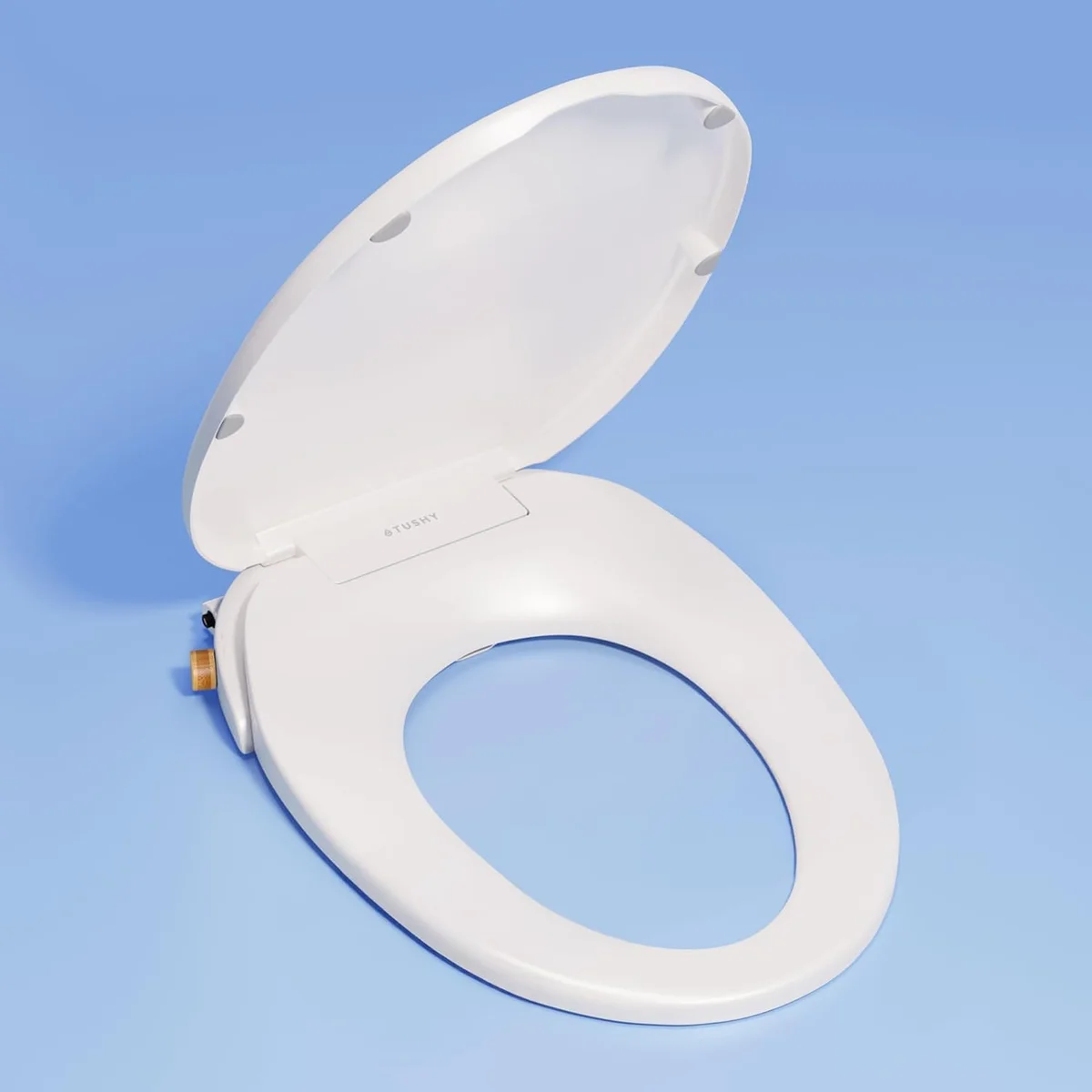
A round bowl is the hardest fit case, but it is not hopeless. Filter for round-compatible models first, and weigh swapping the toilet to an elongated bowl if you want the full catalog.
Round-bowl owners face the tightest shortlist, so the approach changes. Filter for explicitly round-compatible seats before considering any feature, because a great seat that does not fit is worthless; the round-compatible list is short but real. The alternative some owners take is to swap the toilet bowl itself to an elongated model, which opens the entire catalog and is often cheaper than chasing a scarce round-fit premium seat. Either way, the fit decision comes first and everything else — warm-water type, controls, brand — follows it, as the buying guide lays out step by step and our research on the bidet-seat buyer problem documents in depth.
One practical tip from owners who got it right the first time: take the three measurements, then check them against the manufacturer’s published fit chart rather than a retailer’s shorthand "fits most toilets" line, which is where round-bowl buyers most often get burned. A seat listed as elongated with a stated length near 18.5 inches will overhang a 16.5-inch round bowl by two full inches — a gap you can predict on paper before it shows up in your bathroom. When a model’s own spec sheet does not state round compatibility outright, treat that silence as a no rather than a maybe, because the seats built for round bowls advertise it plainly. The five minutes with a tape measure is the cheapest insurance in the whole purchase.
The awkward fits to watch for
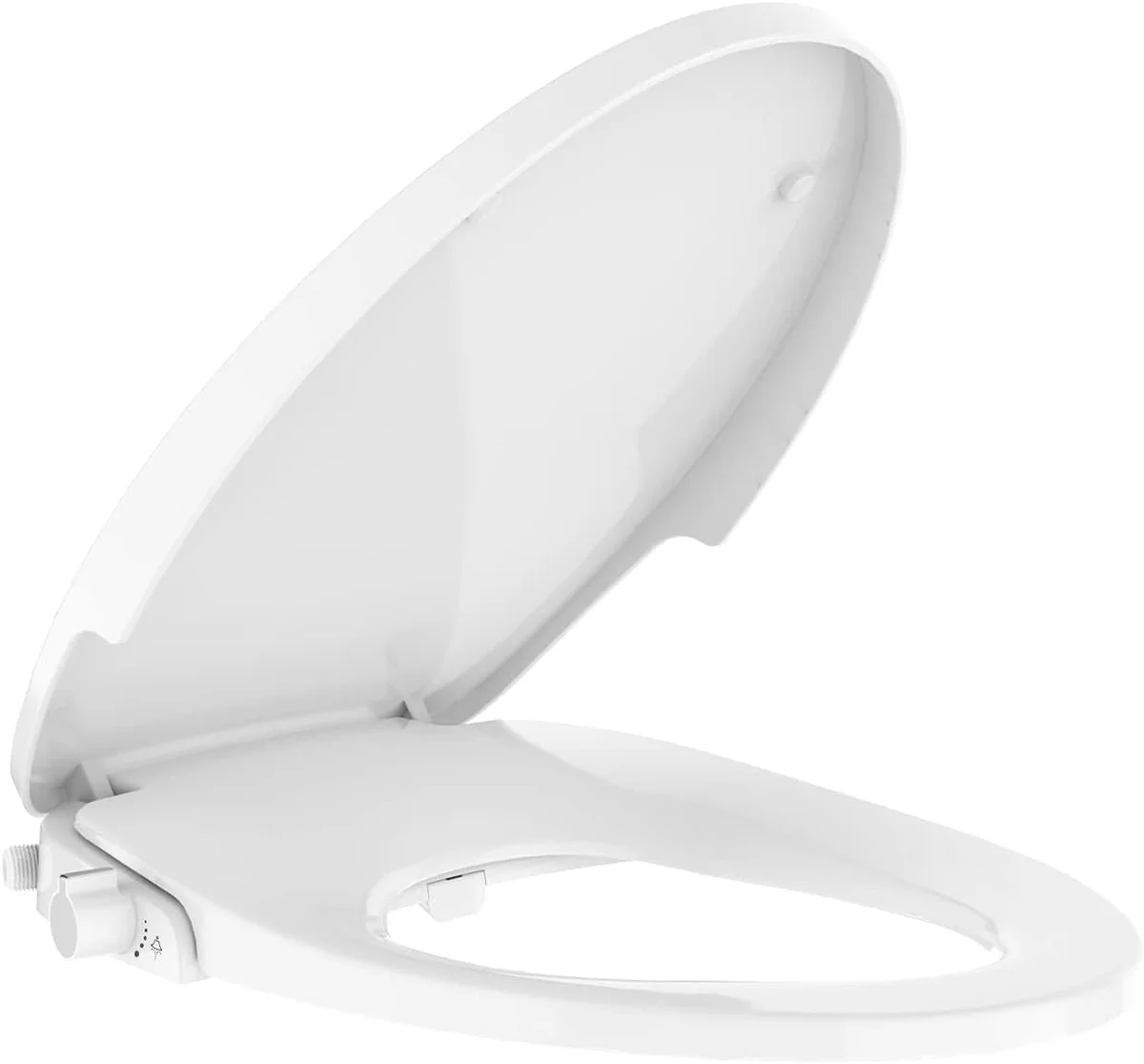
A few toilet designs cause fit trouble beyond bowl shape: skirted (concealed-trap) bowls, French and European toilets, and top-mounting bolt hardware. Each is solvable, but only if you spot it before ordering.
The first awkward case is the skirted or concealed-trap toilet, where a smooth panel hides the bolts and the trapway — one of the trickier shapes covered in our guide to bidet seats for different toilets. These look modern but make a bidet seat’s bracket harder to anchor, and some seats simply will not mount; the fix is to confirm the seat lists skirted-toilet compatibility or includes the right bracket before buying. The second is the French or European bowl, which often uses a different bolt layout and spacing than the US-standard 5.5-inch spread most seats assume, so a US-market seat can arrive with hardware that does not line up at all.
The third is the mounting direction. Most bidet seats use top-mount bolts you tighten from above, which is what makes the ten-minute install possible, but a toilet with an unusual rim or a very thick lip can leave the bracket sitting proud. Owners on r/bidets who hit these cases almost always trace the problem back to skipping the measurement step — the seat that "should have fit" was ordered on the bowl shape alone, without checking the bracket, the skirt, or the bolt layout. None of these are common, but all of them are cheaper to catch with a tape measure than with a return label.
Once the seat fits
With fit settled, narrow on the things that matter: browse our best bidet toilet seats roundup, follow the how to choose a bidet seat guide to add warm-water type and budget, or read the Brondell Swash EcoSeat review for a fit-and-feel read on a popular non-electric seat.
Fit questions buyers ask
How do you measure a toilet for a bidet seat?
Measure three things: bowl length from the seat-bolt holes to the front lip (under about 18 inches is round, over about 18.5 inches is elongated), the width at the widest point, and the distance between the two seat-bolt holes, which is a standard 5.5 inches on nearly all US toilets. Those three numbers decide whether a given seat will mount.
Do bidet seats fit round toilets?
Some do, but most are elongated-only, so round-bowl owners have a much shorter shortlist and should filter for round-compatible models before anything else.
What is the most common bidet seat fit problem?
Putting an elongated seat on a round bowl. It physically bolts on, but the seat overhangs the front of the shorter bowl by an inch or two, which looks wrong and feels unstable — the single fit complaint owners raise most, and the reason measuring first beats measuring after the box arrives.
Is there a weight limit on bidet seats?
Yes. Most seats rate around 300–320 lb, and a handful of heavy-duty models go higher.
Will a bidet seat fit under my existing tank lid?
Usually, but check the rear clearance. A bidet seat’s control housing sits a few inches behind the bowl, and on toilets where the tank overhangs or sits very close, that housing can foul the tank. Measuring the gap behind the bowl before buying avoids the rare but frustrating case where the seat fits the bowl but not the space behind it.
Sources
- TOTO USA — WASHLET fit and dimension specifications. Accessed 2026-05-27.
- Kohler — bowl shape and seat compatibility. Accessed 2026-05-27.
- r/bidets community owner reports. Accessed 2026-05-27.