Bidet Toilet Seats: How They Work and How to Choose
A bidet toilet seat is a replacement toilet seat that sprays a directed water wash from a retractable nozzle, splicing into the toilet’s cold supply with a T-valve. Electric models add warm water, a heated seat, and a dryer and need a nearby outlet; non-electric models use cold tap water and house pressure alone.
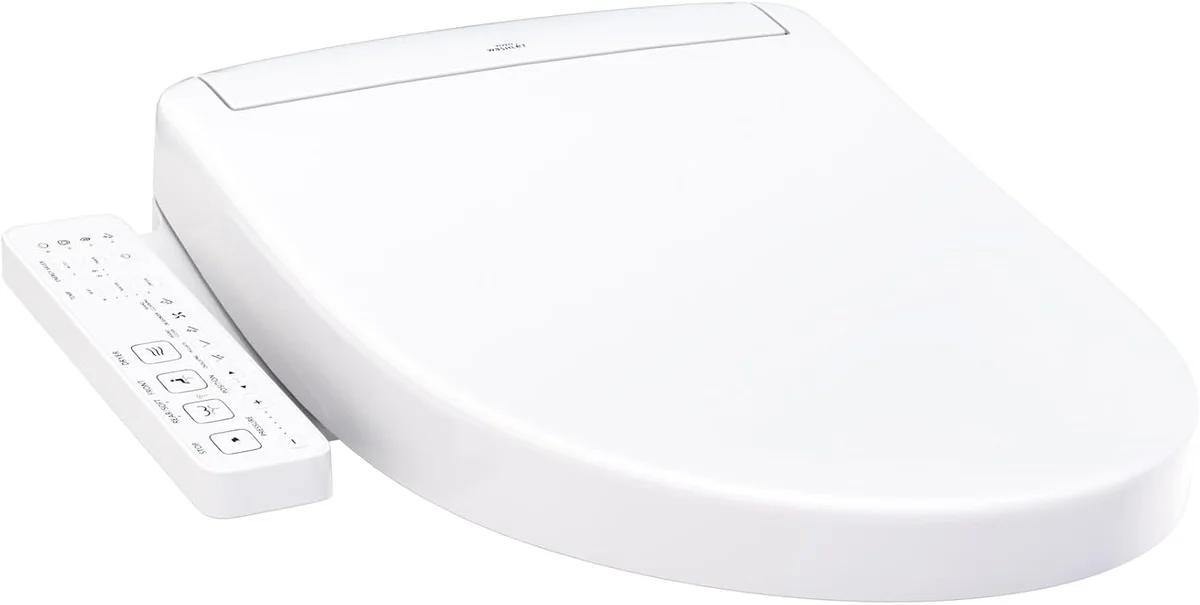
What a bidet toilet seat actually is
A bidet toilet seat is a replacement seat with six working parts: a spraying nozzle, a water heater, a warm seat, a dryer, a control, and the supply splice. Each part maps to one of the four buying decisions.
Under the lid, a bidet toilet seat is six parts working together. The retractable nozzle aims and sprays the wash; the water heater warms it; the seat heater holds the seat surface around 86–97°F; an air dryer finishes with roughly 104°F air; a remote or side panel sets the modes; and a T-valve feeds cold water from the existing tank line (TOTO USA). Knowing which part does what is the fastest way to read a spec sheet without the marketing noise — and to weigh the features that actually matter against the ones that only sell the box. Still deciding whether to buy at all? Our guide to whether bidet toilet seats are worth it weighs the benefits against the costs, and what using a toilet seat with a bidet is like walks the first-week experience.
| Part | What it does | Why it matters |
|---|---|---|
| Retractable nozzle | Aims and sprays the wash stream | Position and pressure decide a complete clean |
| Water heater | Warms the wash (instantaneous or tank) | Decides whether warmth is continuous or runs cold |
| Seat heater | Warms the seat surface to ~86–97°F | The comfort owners notice first |
| Air dryer | Blows ~104°F air to finish | Usually too slow to replace paper |
| Control (remote/panel) | Sets wash, pressure, temperature | Placement affects reach and sharing |
| T-valve + supply | Feeds cold water from the tank line | The install point where leaks start |
How warm water is made
Warm water comes one of two ways: an instantaneous heater that warms on demand, or a small reservoir tank that runs cold after about a minute. Which one a seat uses is the warm-water decision.
Across the r/bidets BB-1000 and Alpha JX2 owner threads, the most common first complaint is warm water that runs cold within roughly a minute on reservoir-tank models — the single dividing line owners keep returning to in our synthesis of community reports.
The water path is the single most important thing to understand, because it decides whether warm water is endless or rationed. Instantaneous heating flash-warms water on demand and stays warm as long as you run it; reservoir heating stores a small pre-warmed volume and runs cold after roughly 45–60 seconds while it reheats (TOTO USA; r/bidets). The heater type is printed on the spec sheet, so this is a decision you can verify before you buy.
- Instantaneous / tankless = heats on demand = continuous warm water
- Reservoir tank = a few warm seconds, then cold while it reheats
- Non-electric = cold tap water only, no heater at all
Heating type tracks the model line rather than the price tier, which is why two seats at a similar tier can behave very differently mid-wash. The table below groups representative models by architecture so you can place any seat you are considering.
| Representative models | Architecture | Behavior |
|---|---|---|
| TOTO S7A, S5, KS5; Alpha JX2 | Instantaneous | Continuous warm water |
| TOTO C5, A2, S2 | Reservoir tank | Warm seconds, then cold |
| BioBidet BB-2000, BB-1000, BB-550; SmartBidet SB-2000 | Reservoir tank | Warm seconds, then cold |
| Brondell EcoSeat S101, S102; Kohler Purewash M250, M300 | Non-electric | Cold tap water only |
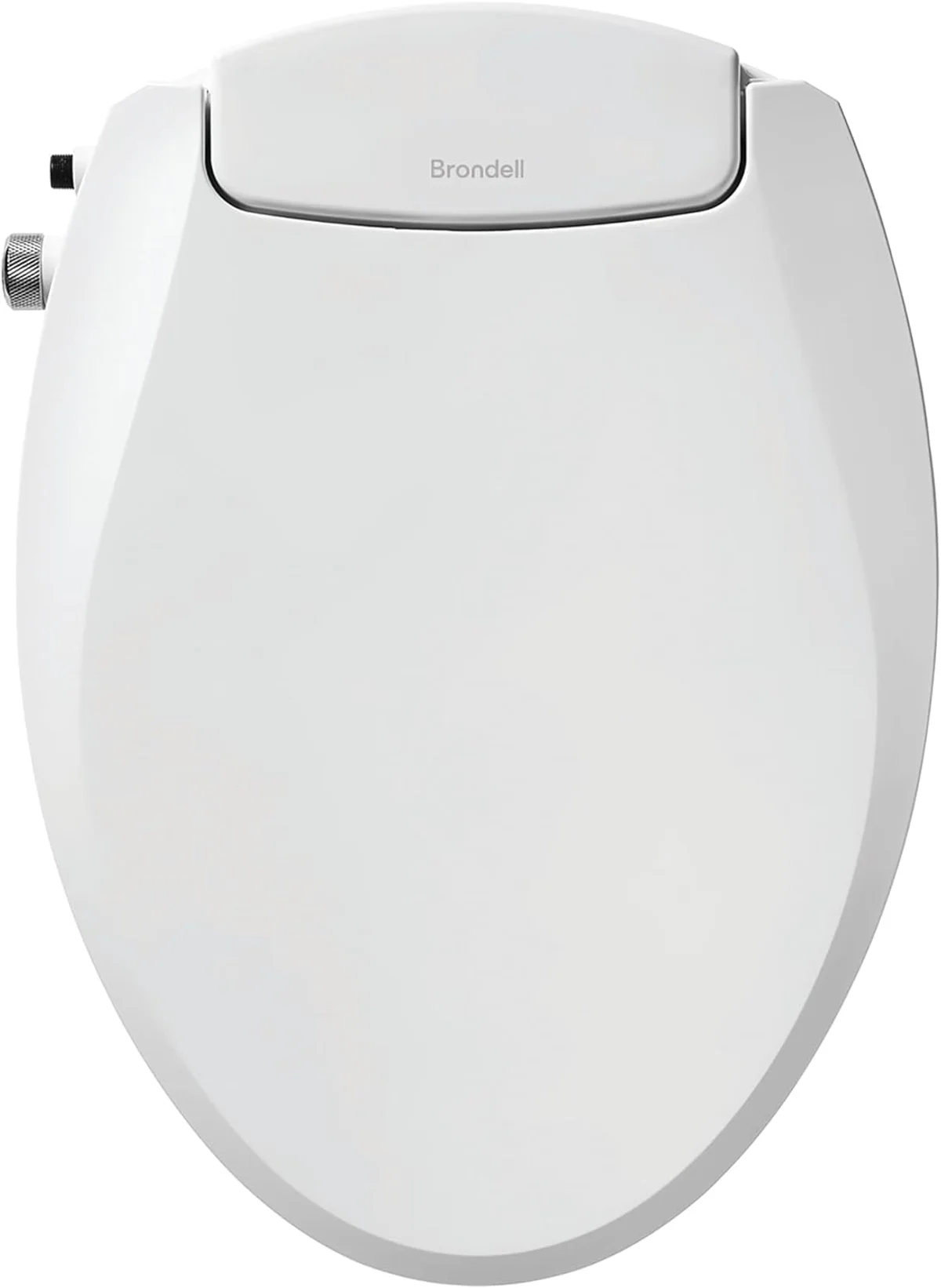
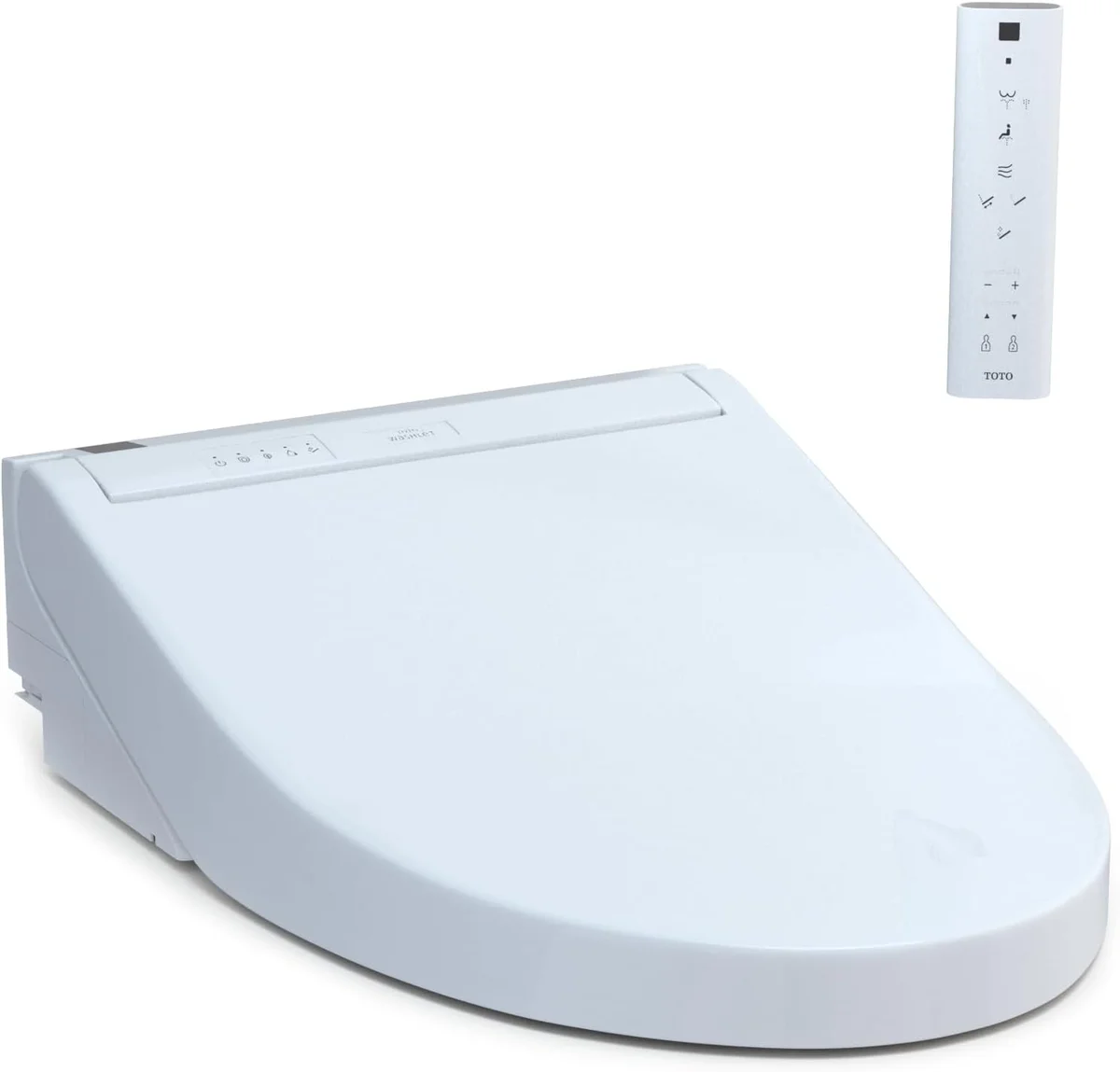
What the wash actually does
The wash is a directed, aimed stream from a retractable nozzle — not a fountain. More wash modes mean finer control, not necessarily a better clean.
A bidet seat’s wash is a directed arc, not a fountain, and more modes mostly mean finer control rather than a better clean (Horow). A two-nozzle seat separates the posterior and feminine washes; oscillation sweeps the stream so coverage does not depend on sitting perfectly still. The map below shows how those modes lay out on the bowl.
The most over-sold feature is the dryer: at roughly 104°F it takes minutes to finish, so most owners still pat dry with a square of paper afterward. Treat the dryer as a convenience, not a paper replacement, when you weigh whether an electric seat earns its outlet.
Will it fit your toilet
Fit is a hard gate, not a preference. Three things decide it: bowl shape, rear clearance, and — for electric seats — a nearby grounded outlet.
Fit is the most common reason a bidet seat goes back. Three things decide whether a seat will physically mount: bowl shape (most seats are elongated-only), rear clearance behind the bowl for the seat’s control housing, and — for electric seats — a grounded GFCI outlet within about three feet. Confirm all three before you buy, because a seat that does not fit is the most common return in the category; our size and fit guide walks the exact measurements.
- Bowl shape Elongated only Measure your bowl — elongated-only seats overhang the other shape.
- Mounting clearance 50 mm behind seat Tank-to-seat gap must clear the control housing.
- Power None — non-electric No outlet needed.
- Water-line access T-valve included; standard 7/8-inch toilet supply Shut-off valve and supply line must accept the tee.
Check every axis against your toilet before buying
Electric or non-electric
No outlet near the toilet means non-electric. Want warm water, a heated seat, or a dryer, and you need an electric seat plus a grounded GFCI outlet.
This is the first fork every buyer hits. A non-electric seat needs no outlet, installs in minutes, and has fewer parts to fail, but it washes with cold tap water only. An electric seat unlocks warm water, a heated seat, and a dryer, but it needs that GFCI outlet and adds the electronics that make reliability and warranty matter more. If your bathroom has no outlet near the toilet, the fork is decided for you until an electrician changes it. For a fuller treatment of the mechanics behind these trade-offs, see our research on how bidet seats work.
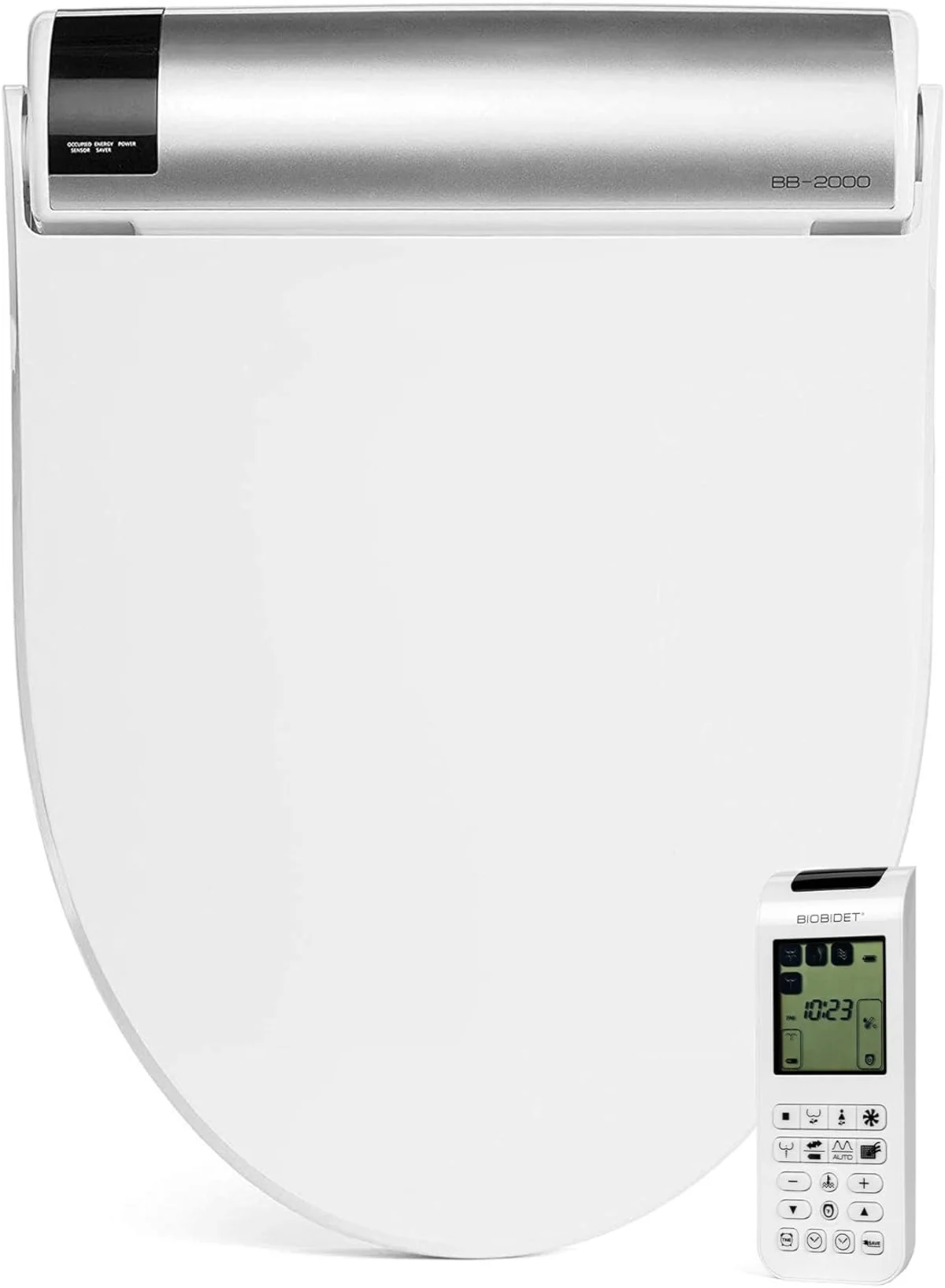
The middle path many owners miss is a non-electric seat with a warm-water hookup: a few models tap the bathroom sink or a water heater line rather than an outlet, trading the dryer and heated seat for warm water without electronics. It is a narrow category and harder to install, but it answers the most common objection to non-electric seats — cold water — without committing to a GFCI circuit. Weigh it against the reliability record of cheap electric seats, where early electronic failure is the recurring complaint in owner reports such as the Brondell EcoSeat S101 threads, before deciding the outlet is worth it.
Now that you know how they work
Turn the mechanics into a shortlist: start with our best bidet toilet seats roundup, follow the how to choose a bidet seat guide to weigh warm-water type against fit, or compare two instantaneous washlets in our TOTO S2 vs S5 head-to-head. When you want the long-term verdict on a single seat, our TOTO WASHLET S2 review reads it against owner reports.
Bidet toilet seat questions
How do bidet toilet seats work?
A bidet toilet seat replaces your existing seat, splices into the toilet’s cold supply with a T-valve, and sprays a directed wash stream from a retractable nozzle. Electric models add a heater, a warm seat, and a dryer; non-electric models use cold tap water and house pressure only.
Do bidet toilet seats need electricity?
Not all of them. Non-electric seats need no outlet at all. Every warm-water, heated-seat, or dryer feature requires a grounded GFCI outlet within about three feet of the toilet, because extension cords are unsafe in a bathroom.
What is the downside of a bidet toilet seat?
The three owners raise most are tank seats running cold mid-wash after roughly 45–60 seconds, air dryers being too slow to replace paper, and round-bowl toilets being hard to fit because most seats are elongated-only.
Are bidet toilet seats worth it?
For most households, yes.
Round or elongated: which should you choose?
Measure your bowl first. Most bidet seats are built for elongated bowls, and fitting an elongated seat to a round toilet leaves an overhang that owners dislike; a smaller group of seats fit round bowls, so confirm the shape before buying rather than after.
Sources
- TOTO USA — WASHLET product line and specifications. Accessed 2026-05-26.
- r/bidets community owner reports. Accessed 2026-05-26.
- Horow — bidet use, types, benefits and risks. Accessed 2026-05-26.
- Wikipedia — Bidet. Accessed 2026-05-26.