Toilet Seats with a Bidet: What Using One Is Like
Using a toilet seat with a bidet is simpler and gentler than first-timers expect: you sit as normal, press a button, and a nozzle extends to deliver a controlled, body-temperature wash before retracting. The whole routine feels novel for three to five uses, then becomes second nature.
What the wash actually feels like
The wash is a gentle, aimed stream — not a jet, not a splash. On an electric seat it arrives warm, around body temperature; the nozzle extends from the back, targets a precise spot, and retracts when you stop. Most first-timers are surprised how controlled and unobtrusive it is.
The single biggest surprise for new users is how mild and precise the wash is. A nozzle extends from beneath the seat rim, aims a directed stream at a single spot, and cleans without spray going everywhere — nothing like the uncontrolled splash people imagine. On an electric seat the water is warmed to around body temperature, gentle where dry paper is abrasive; on a manual seat it is cold tap water at house pressure, which is bracing at first but fine once you expect it. You can dial the pressure from a light rinse to a firmer wash, move the nozzle position forward or back, and on most electric seats turn on oscillation — a back-and-forth sweep that widens the cleaned area. The wash layout below maps the modes you will actually use. A TOTO bidet seats and a Brondell bidet seats wash feel much the same in this respect, so the experience is a category trait, not a brand one — and it is the part that wins almost everyone over within the first use.
Working the controls
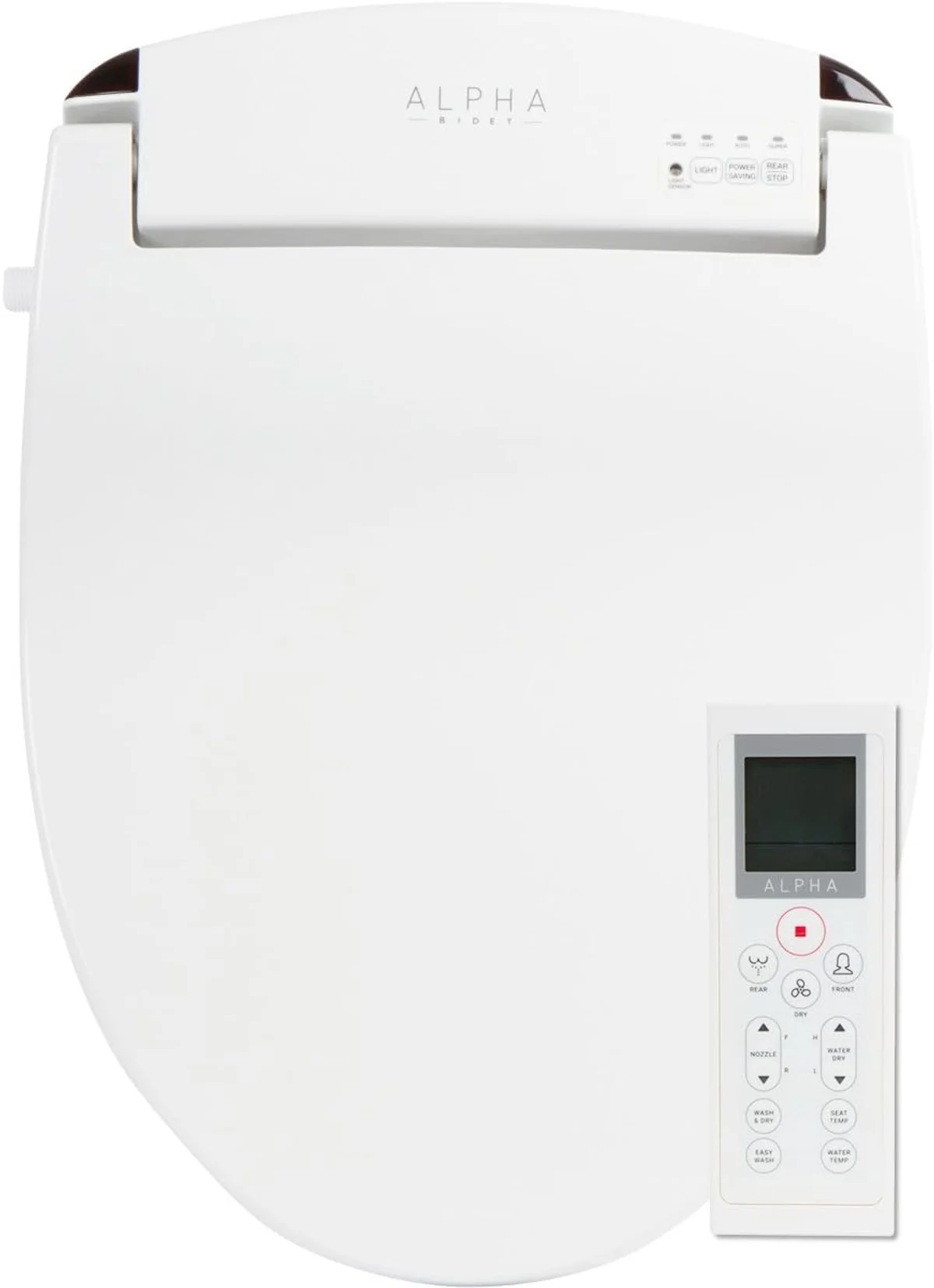
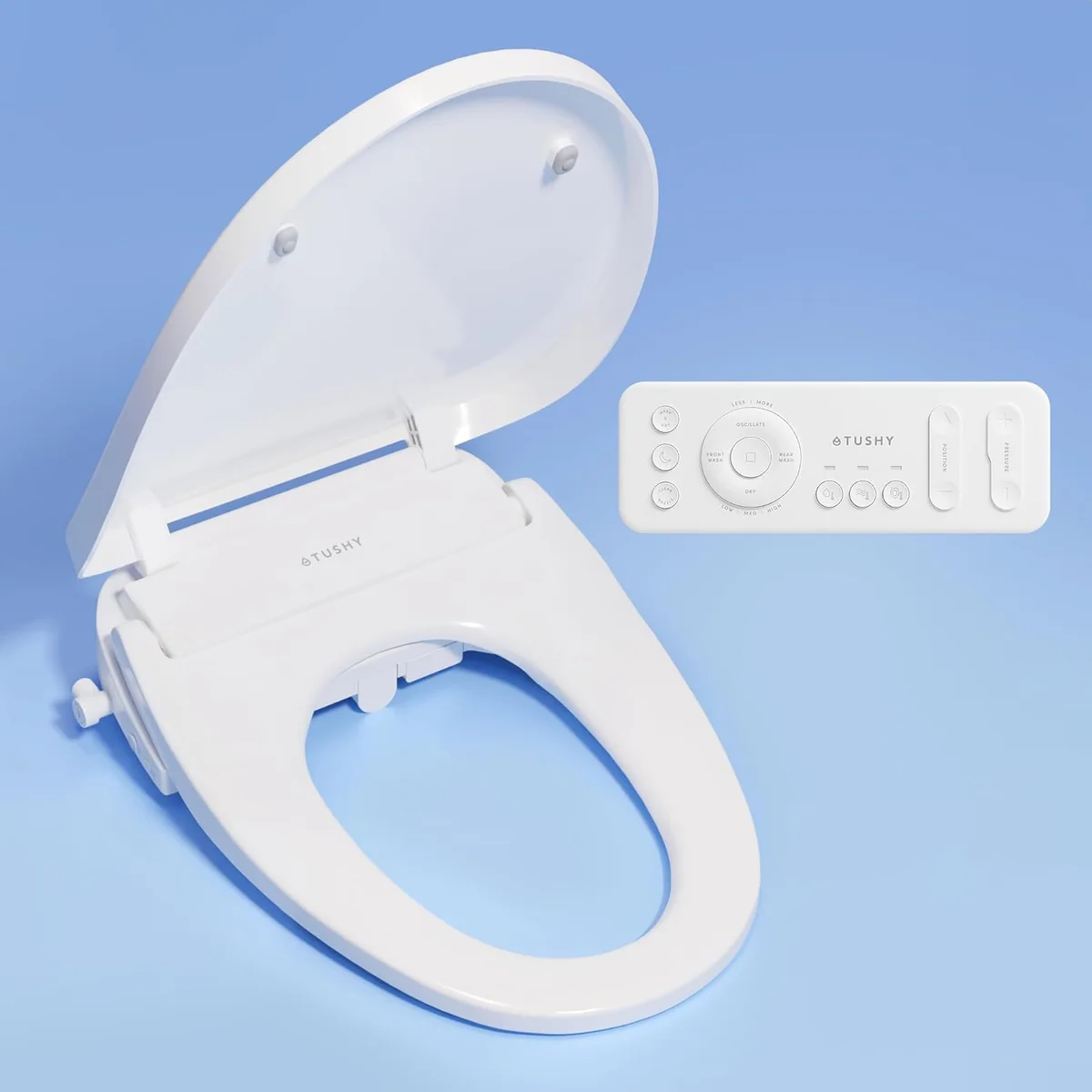
Controls come as a side panel attached to the seat or a wireless remote on higher models. Either way the basics are one button to start the wash and simple adjustments for pressure, position, and temperature. It takes one or two uses to find your settings.
The controls look busier than they are. A budget or manual seat uses a side panel mounted on the right of the seat; higher electric models add a wireless remote you mount on the wall. On both, the daily routine is two or three buttons: start the posterior or feminine wash, adjust pressure if needed, and stop. The rest — water temperature held around 86–97°F on the heated seat, the 104°F warm-air dryer, position memory, oscillation — you set once to your preference and rarely touch again. New users typically spend the first one or two sessions trying the pressure and position settings, then settle on a favourite and ignore the rest of the panel. The learning curve here is very small; the controls are designed for daily, eyes-closed use, not for studying. A Kohler bidet seats panel follows the same logic, so once you have used one seat you can work almost any other — the layout differs but the functions are universal. One small tip eases the first day: a wireless remote can be mounted at any reachable spot on the wall, so if the factory position feels awkward, move it before you decide you dislike the controls. The side-panel models do not offer that flexibility, which is one quiet reason a remote-equipped seat feels easier to live with even though the underlying functions are identical.
The recurring r/bidets advice to first-timers is to start the pressure low and the position central, then nudge from there — almost everyone overshoots the pressure on their first try and dials it back within a day.
The drying question
After the wash you dry — and this is where expectations need managing. The warm-air dryer works but is slow, taking a minute or more, so most owners finish with a quick pat of paper. You use far less paper than before, but rarely none unless you wait on the air.
Drying is the one part of the experience that disappoints, and being honest about it prevents the most common new buyer letdown. Every electric seat has a warm-air dryer running air near 104°F, and on every brand it is slower than the marketing implies — a full air-dry takes well over a minute, longer than most people want to sit. The result is that the majority of owners use the dryer briefly and then finish with a small pat of paper, or skip the dryer and pat dry directly. Either way you use far less paper than before, which is a real saving, but you do not usually eliminate it unless you are patient with the air. This holds across TOTO bidet seats and every rival, so it is not a reason to pick one brand over another — just a reality to expect. Going in knowing the dryer is a finisher rather than a replacement for paper is the difference between a new owner who is delighted and one who feels slightly misled, even though the wash itself almost always exceeds expectations.
The first week, honestly
Expect a short adjustment: three to five uses to settle on pressure and position, a few days to land on your drying routine, and then it becomes invisible. By the end of the first week almost every owner reports the seat feels completely normal — and going back to paper alone feels wrong.
The arc of the first week is consistent across owners. The first use is novel and a little tentative — you over-set the pressure, the warm water surprises you, the dryer underwhelms. By the third to fifth use you have found a comfortable pressure and position and stopped thinking about the buttons. Within a few days you have settled your drying habit, usually a brief dryer burst plus a small pat of paper. And by the end of the week the whole thing has faded into routine, at which point the common reaction is that going back to paper alone feels unhygienic. That fast adaptation is why the experience matters more than the spec sheet for a first-time buyer: the wash wins people over almost immediately, the controls take a day, and the only managed expectation is the dryer. A Brondell bidet seats or Kohler bidet seats model produces the same week-one arc, so the experience is something you can expect with confidence whichever seat you choose — novel on day one, invisible by day seven.
Ready to try one?
Take the next step: see how the parts work in how a bidet toilet seat works, weigh the value in are bidet toilet seats worth it, or jump to the ranked picks in our best bidet toilet seats roundup.
First-time use questions
What does using a bidet toilet seat feel like?
A gentle, targeted stream of water — warm on an electric seat, around body temperature — rather than a jet or a splash. First-timers are usually surprised how controlled and unobtrusive it is: you sit as normal, press a button, and a nozzle extends and washes a precise spot before retracting. It feels clean and a little novel for the first few uses, then completely routine.
How do you control a bidet toilet seat?
With a side panel or a wireless remote.
Do you still need toilet paper with a bidet seat?
A little, or none, depending on drying. After the wash you either use the warm-air dryer, which is slower than people expect and takes a minute or more, or pat dry with a small amount of paper. Most owners settle on a quick pat with far less paper than before, so you do not eliminate paper entirely unless you rely on the dryer.
Is there a learning curve with a bidet toilet seat?
A short one — about three to five uses.
What surprises first-time bidet seat users most?
Two things: how gentle and controlled the wash is compared to what they imagined, and how slow the warm-air dryer is in practice. The wash almost always exceeds expectations, while the dryer almost always falls short of the marketing — which is why most owners keep a little paper for the final dry rather than waiting on the air.
Sources
- TOTO — WASHLET wash, controls, and dryer. Accessed 2026-05-27.
- Brondell — Swash controls and operation. Accessed 2026-05-27.
- Horow — how bidet seats are used. Accessed 2026-05-27.
- r/bidets first-time-user reports. Accessed 2026-05-27.