Bidet Toilet Seats: Are They Worth It?
A bidet toilet seat is worth it for most people who try one: it cleans more thoroughly than paper, is gentler on skin, cuts paper use over time, and adds the comfort of a warm wash. The honest exceptions are a no-outlet bathroom and a very tight budget — and even then a manual seat is cheap.
The benefits that win owners over
The case for a bidet seat rests on four concrete gains: a more thorough clean than paper, gentleness on sensitive skin, less paper used over time, and the comfort of warm water. They are the reasons owners say they would not go back.
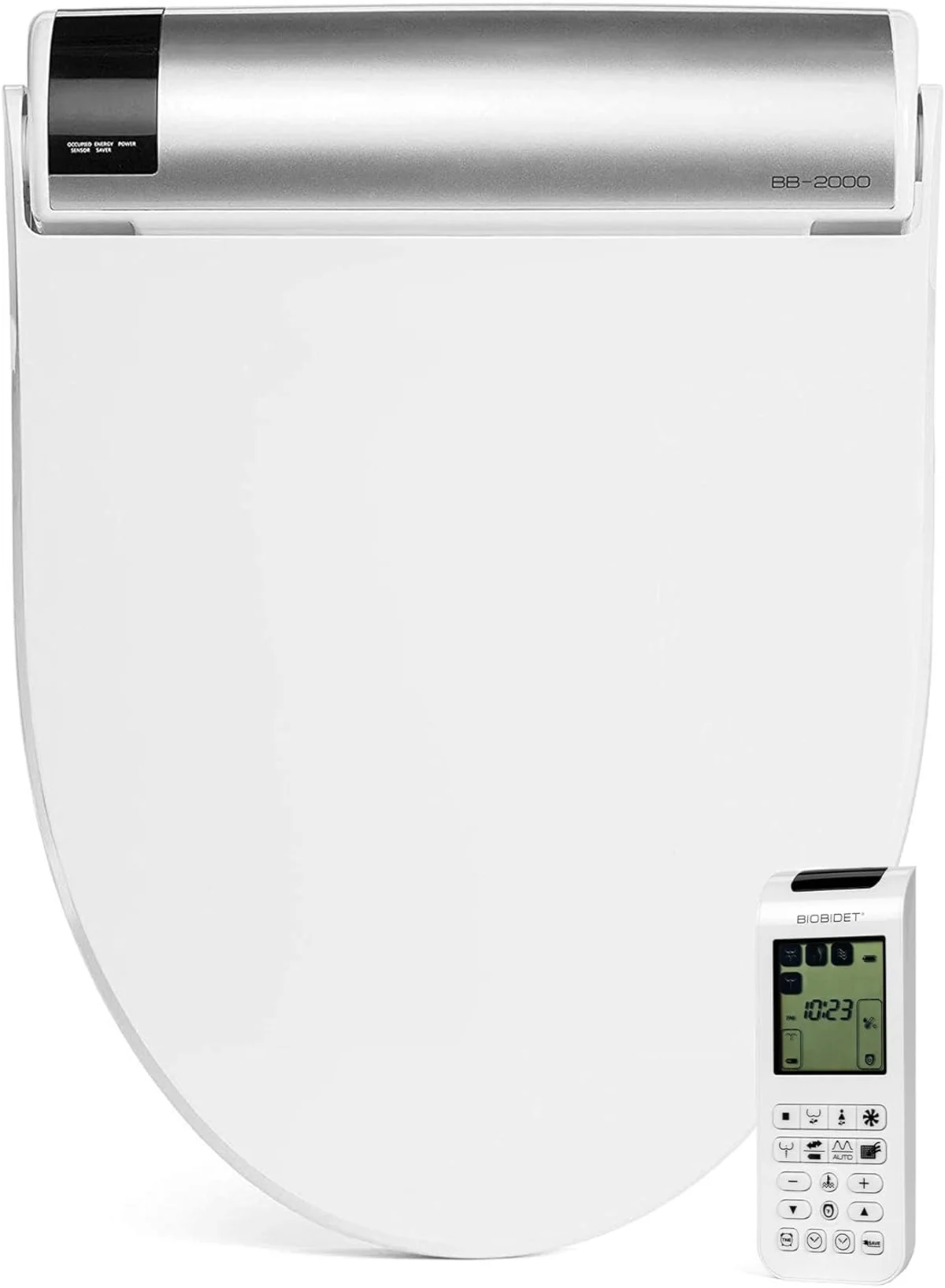
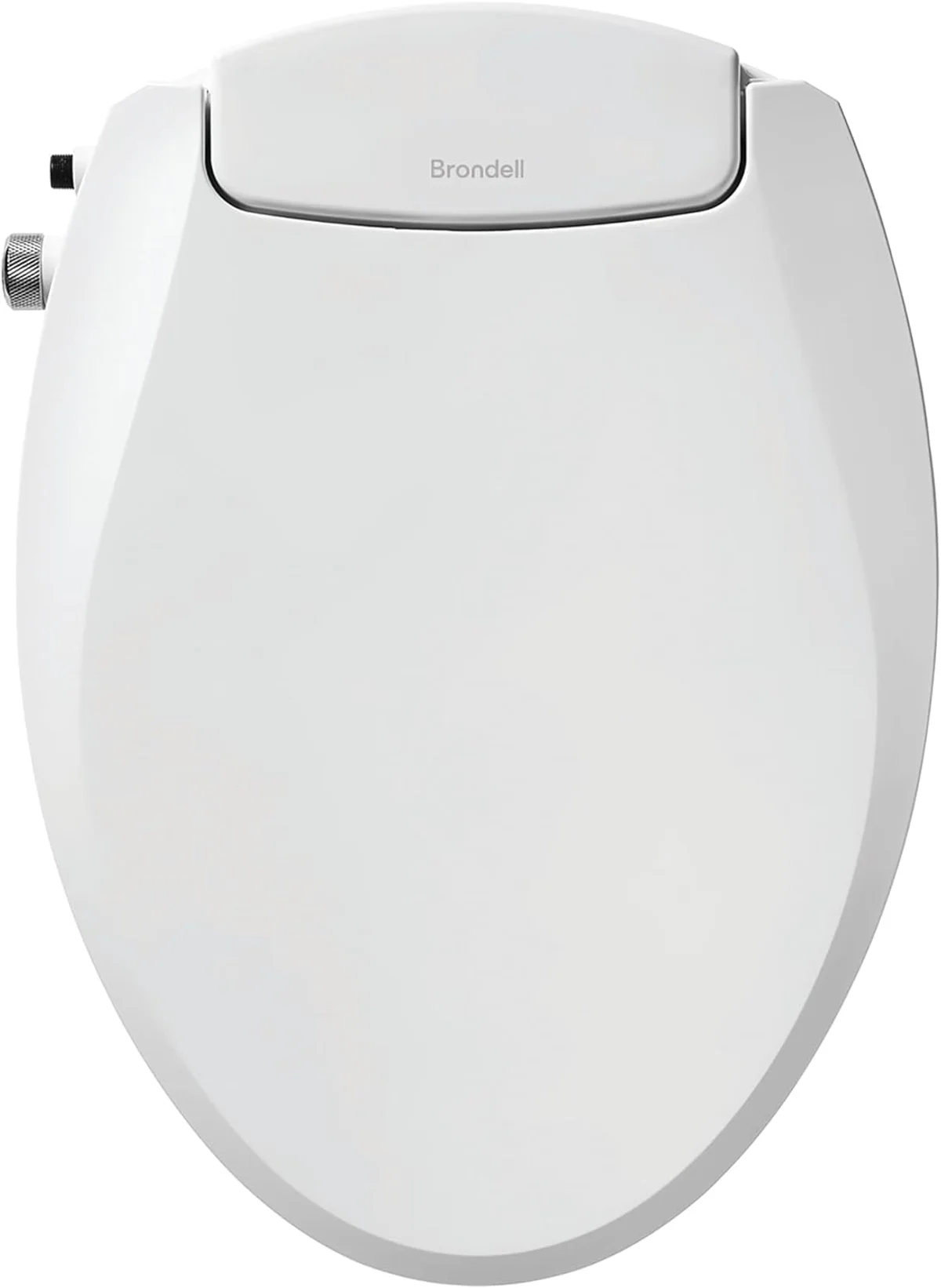
The benefits are practical rather than abstract, which is why most owners convert quickly. The first is cleaning: a directed water wash removes more than dry paper and leaves you properly clean rather than smeared, the single point owners raise most. The second is comfort and skin — a warm wash on an electric seat is gentle where repeated wiping irritates, which matters enormously for sensitive skin and conditions like haemorrhoids. The third is paper: households cut toilet-paper use sharply after switching, which offsets part of the cost over time and means fewer shopping trips. The fourth, on electric models, is the everyday comfort of a heated seat held around 86–97°F and warm water that paper simply cannot offer, with a warm-air dryer running near 104°F to finish. The capability profile below sketches what a good seat delivers across those axes. None of this is unique to one brand — a TOTO bidet seats flagship and a mid-priced Brondell bidet seats model both deliver the core wash — so the worth-it question is about the category, not the badge, and for most buyers the answer is a clear yes.
Who gains the most
Some buyers benefit far more than the average: people with limited mobility, sensitive skin, or conditions that make wiping painful. For them a hands-free, gentle wash is not a luxury but a genuine quality-of-life improvement — which is where a bidet seat is most clearly worth it.
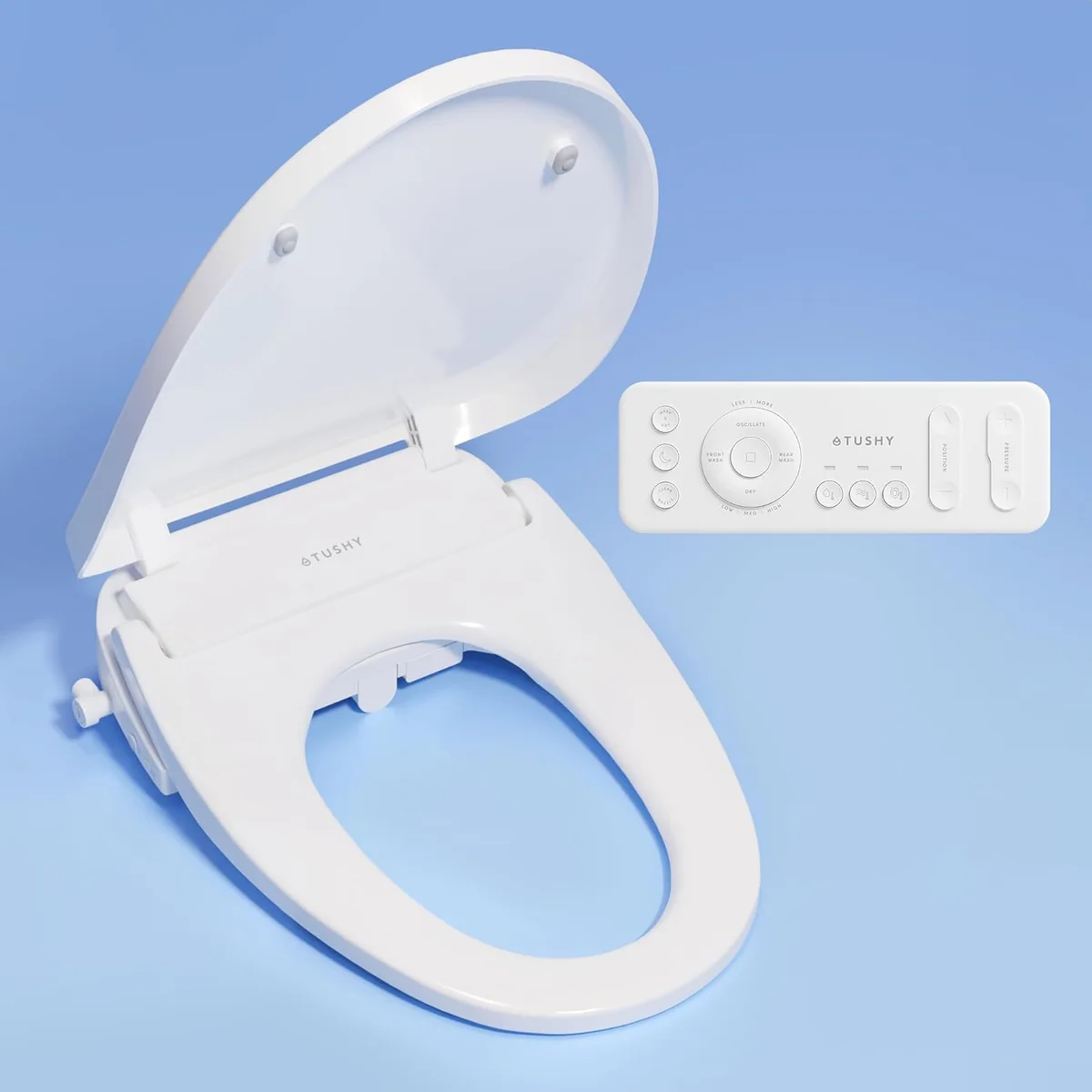
The worth-it answer gets stronger the more wiping is a problem for you. People with limited mobility, who find twisting and reaching to wipe difficult, gain a hands-free clean that restores independence. People with sensitive skin, haemorrhoids, or post-surgery recovery gain a gentle wash that does not aggravate what dry paper makes worse. Parents, older adults, and anyone managing a caregiving situation often find the seat pays for itself in comfort and dignity alone. For these buyers the upfront cost is almost beside the point — the daily benefit is large and immediate, and it is why occupational therapists and clinicians often suggest a bidet seat. Beyond the high-need groups, plenty of buyers with no particular issue simply prefer the cleaner feeling and become daily users within a week. The seat is worth it across the board, but for the high-need buyer it is closer to essential than optional — a distinction worth making, because it changes how much the price should weigh in the decision.
The most common r/bidets sentiment from new owners is some version of regret at not buying one years earlier — the regret is almost always about not buying one sooner, not about the purchase itself.
The honest costs to weigh
A fair answer names the costs: the upfront price, the outlet an electric model needs, and a short adjustment period. They are real but small against the benefits — and there are cheap ways around the first two.
Worth-it is not the same as cost-free, so the honest downsides matter. The first is the upfront price: a quality electric seat is a real purchase, though a manual one costs far less and still delivers the core wash, so budget is rarely a true blocker. The second is the outlet — every electric seat needs a grounded socket near the toilet, and a bathroom without one means either an electrician or choosing a manual model instead. The third is the adjustment period: the first few uses feel unfamiliar, and you have to settle on air-drying, the warm-air dryer (which is slower than people expect on every brand), or a final pat with paper. None of these outweighs the benefits for most buyers, and the table below sets them side by side so the trade is clear. A Brondell bidet seats manual model sidesteps the first two costs almost entirely, which is why "is it worth it" rarely comes down to money — it comes down to whether the cleaner, gentler routine appeals, and for most people it does. If a specific worry is what is holding you back, our guide to the common bidet seat concerns answers each one honestly.
| Benefit | Cost to weigh |
|---|---|
| More thorough, gentler clean | Short adjustment period |
| Less toilet paper over time | Upfront purchase price |
| Warm water and heated seat (electric) | Needs a grounded outlet |
| Big help for limited mobility | Dryer slower than expected |
The verdict for most buyers
Weighed honestly, a bidet toilet seat is worth it for the large majority — the benefits are daily and the costs are one-time and small. The only buyers who should hesitate are those with no outlet who also want warm water, and even they have a manual path.
Put the two sides together and the verdict is clear. The benefits — a better clean, gentler skin contact, paper savings, and real comfort — are felt every single day, while the costs are a one-time price, a possible outlet, and a week of getting used to it — most owners report the adjustment takes only 3 to 5 uses before the wash feels normal. That asymmetry is why owner regret is almost always about waiting too long rather than buying. The decision then becomes which seat, not whether: if you have an outlet and want warmth, an electric model from TOTO bidet seats or a rival is the pick; if you have no outlet, rent, or want to spend the least, a manual seat delivers the core benefits for a fraction of the cost. Either way, the worth-it question resolves to yes for the large majority of buyers, and the practical next step is matching a seat to your bathroom and budget rather than relitigating whether the category earns its place — it does, and the buyers who hesitate longest tend to be the ones who regret the wait most once they finally make the switch.
Decided it is worth it?
Move to choosing: run the full how to choose a bidet seat checklist, weigh electric against non-electric, or jump to the ranked picks in our best bidet toilet seats roundup.
Worth-it questions
Are bidet toilet seats actually worth it?
For most people who try one, yes. A bidet toilet seat cleans more thoroughly than paper, is gentler on sensitive skin, cuts toilet-paper use over time, and adds real comfort with a warm wash and heated seat on electric models. The main reasons it would not be worth it are a no-outlet bathroom for electric models, or a very tight budget — and even then a manual seat is cheap.
Do bidet toilet seats save money on toilet paper?
Over time, yes — most households cut paper use sharply.
Who benefits most from a bidet toilet seat?
People with limited mobility, sensitive skin, or conditions like haemorrhoids benefit most, because a hands-free, gentle wash is easier and kinder than wiping. Beyond those, anyone who values a more thorough clean and the comfort of warm water tends to become a daily user quickly. The seat earns its place fastest for the buyers who find wiping difficult or irritating.
Are bidet toilet seats hygienic?
Yes — the wash water and nozzle are kept separate and clean.
What is the downside of a bidet toilet seat?
The honest downsides are upfront cost, the need for an outlet on electric models, and a short adjustment period as you get used to the wash and to air-drying or a final pat with paper. None is a dealbreaker for most buyers, but they are real, and worth knowing before you buy rather than discovering after.
Sources
- TOTO — WASHLET wash and comfort features. Accessed 2026-05-27.
- Brondell — electric and manual seat benefits. Accessed 2026-05-27.
- Horow — bidet use, benefits and risks. Accessed 2026-05-27.
- r/bidets new-owner reports. Accessed 2026-05-27.