Toilet Seats with a Bidet: The Common Concerns, Answered
Most hesitation about a bidet toilet seat comes down to a handful of worries — hygiene, mess, cold water, complexity, and electrical safety. Taken honestly, each is either a myth or a manageable detail, and none holds up as a reason not to buy for the average bathroom.
"Is it actually sanitary?"
The number-one worry is hygiene, and it is backwards: a bidet seat is cleaner than paper, not dirtier. The nozzle stays separate from the bowl, retracts when idle, and self-cleans on better models. Water touches you; the nozzle does not.
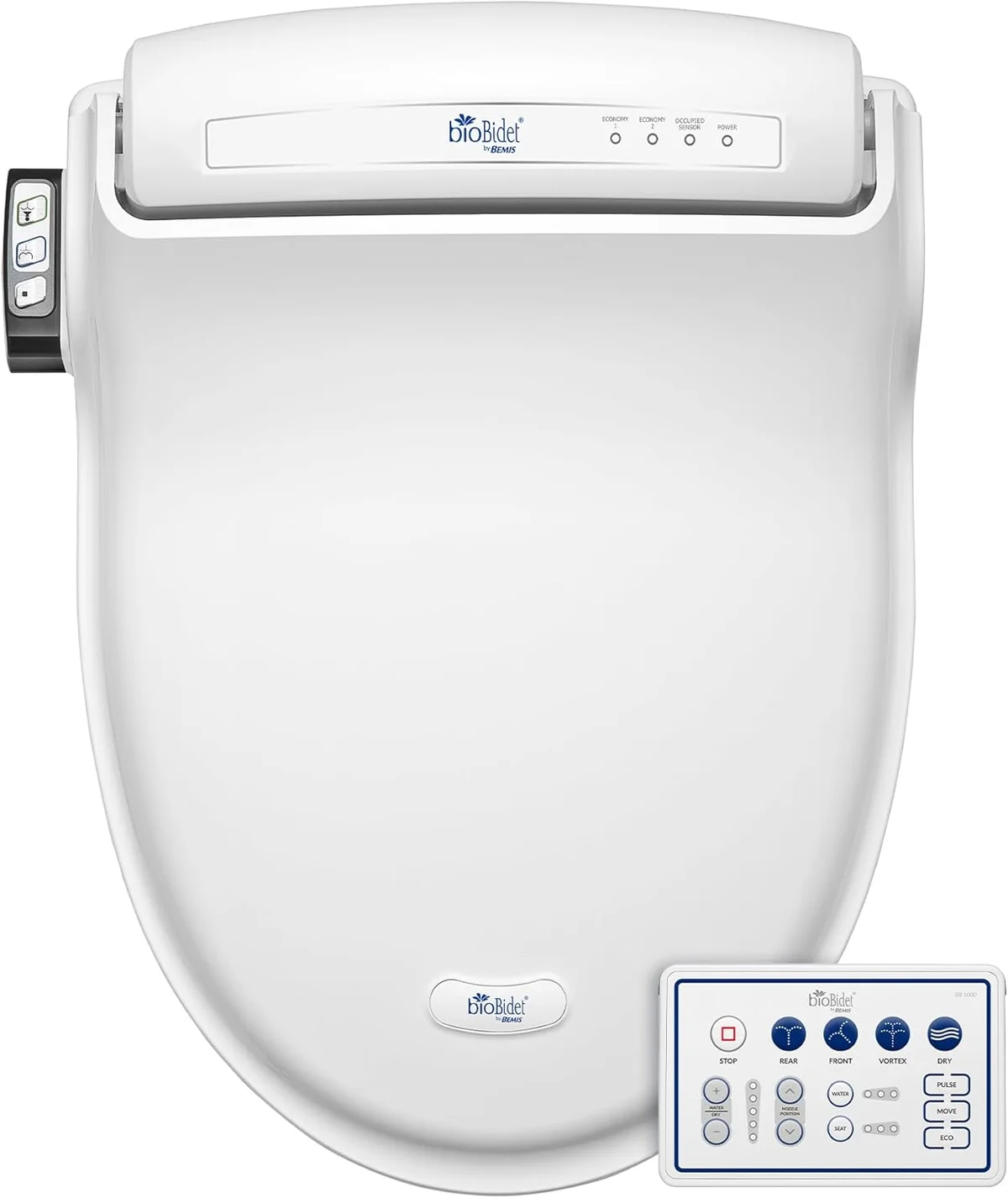
The hygiene fear rests on a misunderstanding of how the seat works. The wash wand is tucked beneath the seat rim, extends only during use, sprays water at you without touching you, and retracts afterwards — and on a better seat it rinses itself before and after each wash, some with an electrolysed-water mist. Compared with dry paper, which smears rather than cleans and demands hand contact, a directed water wash is the more hygienic method, which is why bidets are standard in much of the world and recommended for people recovering from surgery. You use the same seat your household already shares, and cleaning it is no different from cleaning any toilet seat. A TOTO bidet seats wand and a Brondell bidet seats wand both keep the water path and the nozzle clean, so the hygiene advantage is a category trait. The honest correction to the most common myth is that the bidet seat is the clean upgrade, not the hygiene risk people imagine.
The most-repeated reassurance on r/bidets to nervous first-timers is that the nozzle never touches you and cleans itself — the "is it gross" worry vanishes within one use, replaced by wondering how they tolerated paper alone.
"Won't it splash, or shock me with cold water?"
Two practical worries, both small. The stream is targeted, not a spray, so it does not splash the room. Cold water only applies to non-electric seats; an electric seat washes warm, and even a cold wash is a surprise once, not a problem.
The mess worry imagines a garden hose; the reality is a thin, aimed stream that hits one spot and drains into the bowl, with nothing reaching the floor or the user's clothes. New owners are routinely surprised how contained it is. The cold-water worry is real but narrow: it applies only to non-electric seats, which wash with cold tap water at house pressure. An electric seat heats the water to around body temperature, so there is no shock at all, and even on a non-electric seat the cold is a one-time surprise that most people stop noticing within days, especially in a warm bathroom. If cold water really bothers you, the answer is simply to choose an electric model with a Kohler bidet seats or rival heater rather than to avoid the category. Neither worry survives contact with an actual seat: the wash is tidy, and the temperature is a choice you make at purchase, not a flaw you are stuck with.
"Is the electricity safe, and is it complicated?"
Both worries are easily settled. Electric seats require a GFCI outlet — the same shock protection mandated near every sink — so they are as safe as any bathroom appliance. And the daily controls are two or three buttons; the perceived complexity disappears after a use or two.
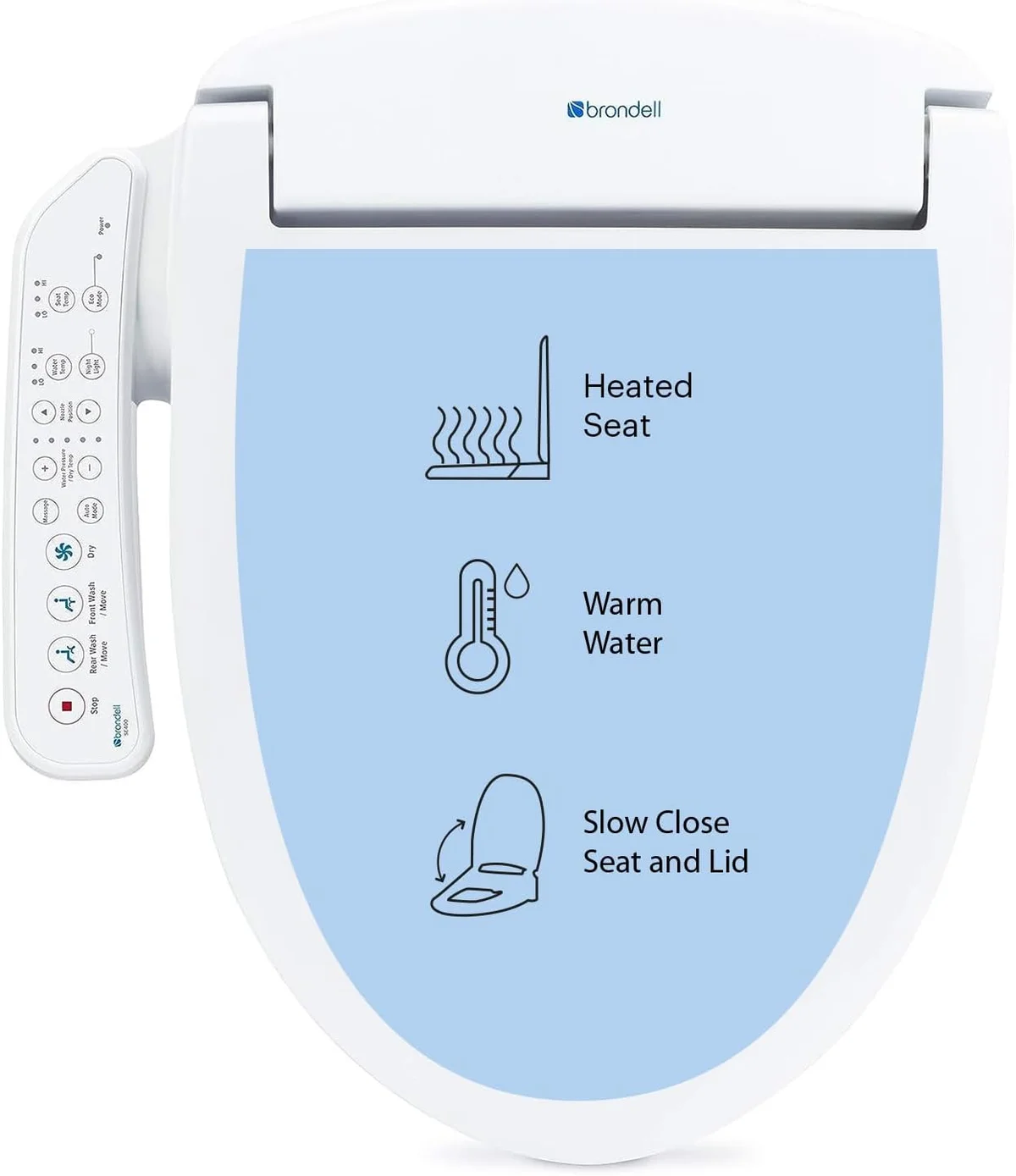
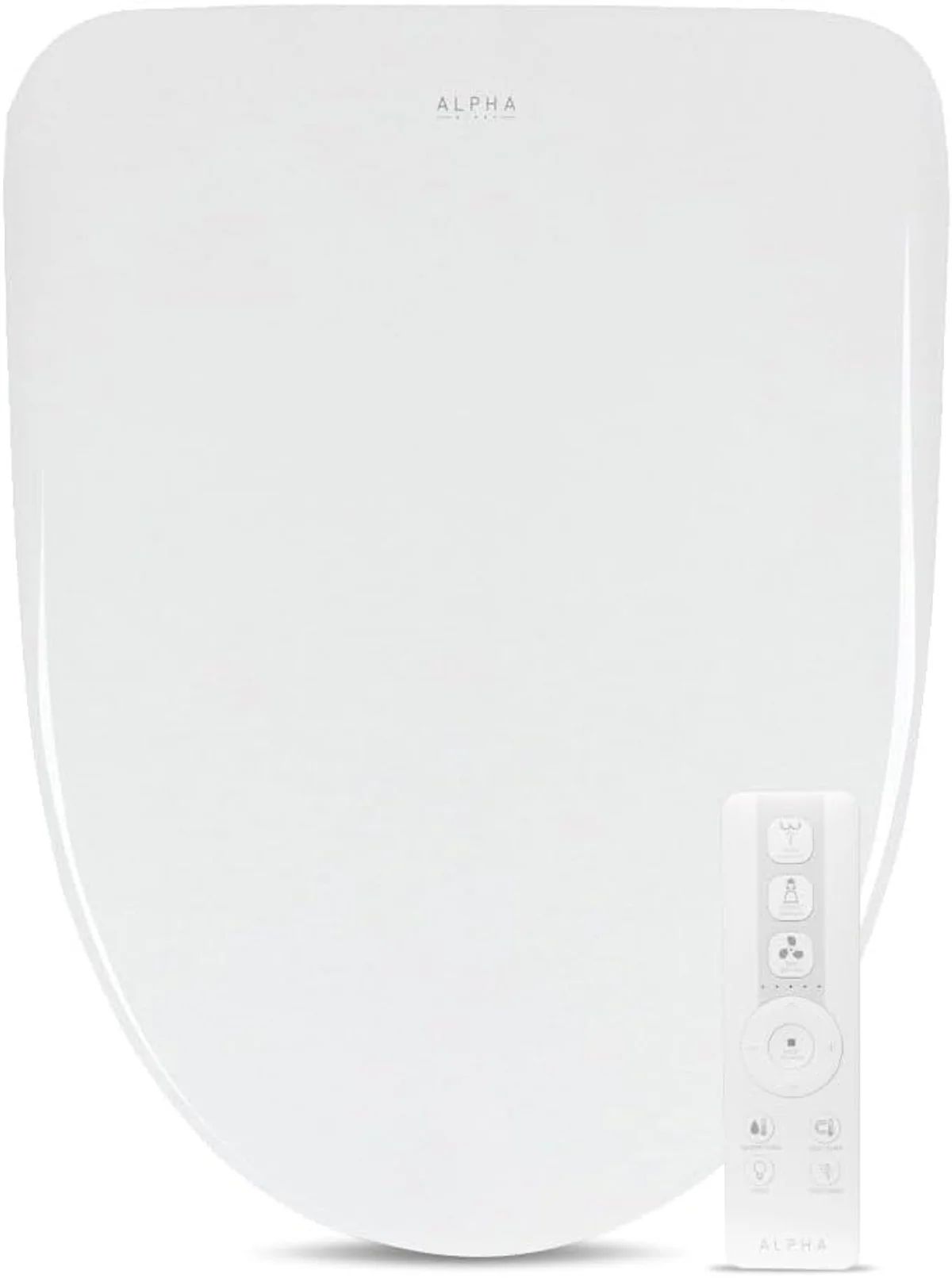
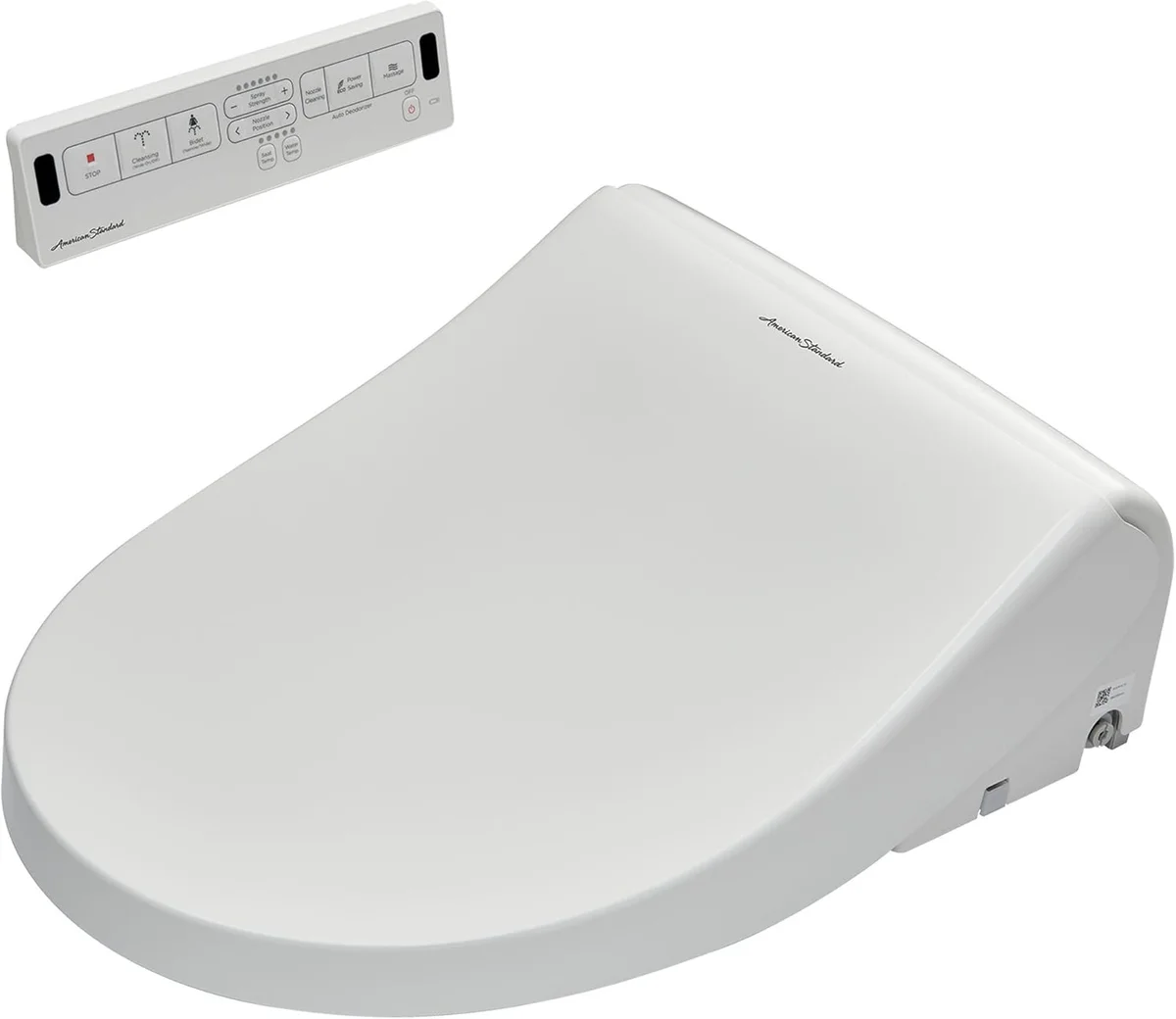
The electrical worry is reasonable and fully addressed by code. Every electric bidet seat must plug into a grounded, ground-fault-protected GFCI outlet — the kind that cuts power within milliseconds if it senses a fault, and the same standard already required for outlets near sinks, showers, and tubs. Installed to the instructions, which insist on that outlet, an electric seat is no more hazardous than a hairdryer or an electric razor in the same room. The complexity worry is even smaller: although the control panel looks busy, the everyday routine is one button to start the wash, one to adjust pressure if needed, and one to stop, with the temperature and position set once and forgotten. Owners describe the learning curve as three to five uses. A TOTO bidet seats or Brondell bidet seats panel follows the same simple logic. Between GFCI protection and a two-button daily routine, the safety and complexity fears are the easiest of all the concerns to put to rest.
It is worth putting numbers to both points, because specifics deflate worry better than reassurance. A GFCI outlet cuts power in a fraction of a second — well under 1 second, fast enough that a fault never becomes a shock — which is why the same outlet is mandatory beside every bathroom sink already. On the comfort side, the heated seat holds a steady 86–97°F and the wash sits near body temperature, so nothing about the seat runs hot enough to concern you. And the learning curve owners report is just 3 to 5 uses before the controls feel automatic. None of these figures is brand-specific: a TOTO bidet seats model and a budget seat alike must meet the same electrical standard and settle into the same short routine. Put the numbers together and the safety-and-complexity objection is the weakest of the lot — it is answered by the building code and by a few days of ordinary use.
The one worry that is partly true
Most concerns are myths — but one is partly fair: the warm-air dryer is slower than the marketing suggests, so you will likely still use a little paper. It is worth knowing, because it is the gap between expectation and reality that catches new owners.
Honesty means conceding the one worry with substance. The warm-air dryer, sold as a paper replacement, is in practice a slow finisher — a full air-dry takes well over a minute on every brand, so most owners use it briefly and pat dry with a little paper rather than wait. The gauge below shows that gap between the marketed and the lived drying performance. This does not undo the paper savings, which are still large, but it does mean "never buy paper again" oversells the reality. Knowing it going in is the difference between a delighted owner and one who feels misled — the same lesson that applies to a Kohler bidet seats dryer as to any other. Set against the hygiene, mess, cold, safety, and complexity worries that turn out to be myths, a slightly slow dryer is a small and honest caveat, and the only one of the common concerns that holds even partly true.
30-point gap · Most owners still pat dry with paper
Worries settled?
Move forward: weigh the value in are bidet toilet seats worth it, see what using one is like, or jump to the ranked picks in our best bidet toilet seats roundup.
Common bidet seat concerns
Are bidet toilet seats sanitary?
Yes — more so than paper, not less. The wash nozzle is kept separate from the bowl, retracts when not in use, and on better seats self-cleans before and after each wash. Water touches you, not the nozzle, and you use the same seat as your household toilet. The "is it sanitary" worry is the most common myth, and the honest answer is that a directed wash is cleaner than wiping.
Do bidet toilet seats make a mess or splash?
No — the stream is targeted, not a spray.
Is it safe to have electricity near the toilet?
Yes, when installed correctly. Electric bidet seats are designed for bathroom use and must plug into a grounded, ground-fault-protected (GFCI) outlet, which cuts power instantly if it detects a fault. This is the same protection required for outlets near sinks and showers. Installed to that standard — which the instructions require — an electric seat is as safe as any other bathroom appliance.
Are bidet toilet seats complicated to use?
No — the daily routine is two or three buttons.
Do you still need toilet paper with a bidet seat?
A little, usually. After the wash most owners finish with a brief warm-air dry or a small pat of paper, because the dryer is slower than people expect. You use far less paper than before — many cut their use by most of it — but you do not eliminate paper entirely unless you are patient with the air dryer.
Sources
- TOTO — WASHLET hygiene, self-cleaning, and safety. Accessed 2026-05-27.
- Brondell — Swash operation and GFCI requirement. Accessed 2026-05-27.
- Horow — bidet hygiene, benefits and risks. Accessed 2026-05-27.
- r/bidets concern and myth discussion. Accessed 2026-05-27.