Heated Bidet Toilet Seats: The Warm Seat, Explained
A heated bidet toilet seat warms the surface you sit on, holding it around 86 to 97°F so the seat never feels cold. It is separate from the warm wash water, works only on electric seats, and is the feature most owners say they notice first.
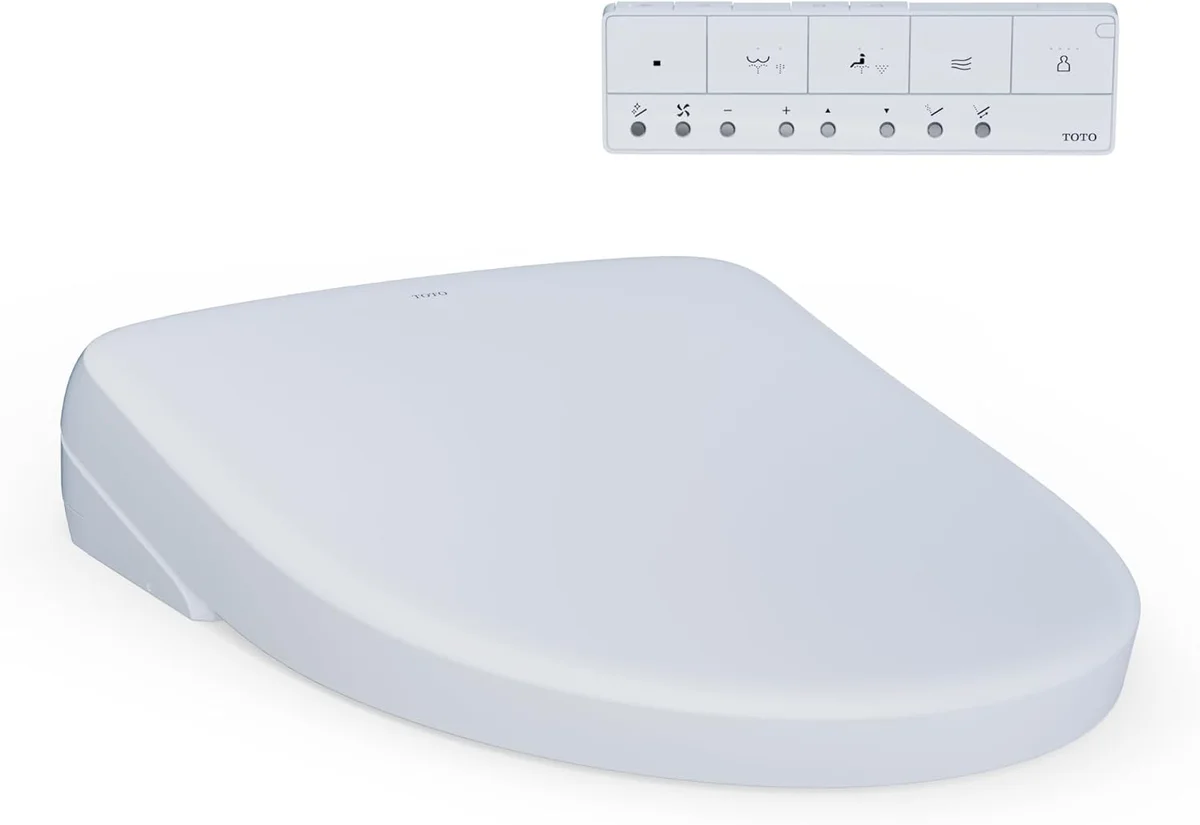
Heated seat is not heated water
The single most common mix-up: a heated seat warms the surface you sit on, while heated water warms the wash. They are different systems, and confusing them leads buyers to the wrong model.
The word "heated" does double duty on a bidet seat spec sheet, and the confusion costs people money. A heated seat is a warming element built into the seat ring that keeps the surface at a set temperature; heated water is a separate heater that warms the wash stream, and it comes in the instantaneous and reservoir-tank flavors that drive the rest of the buying decision (TOTO). A seat can technically have a warm surface without warm water, but in practice every seat with a heated surface is electric and almost always offers warm water too, so the real question is not whether to have a heated seat but which warm-water type it is paired with.
This matters because shoppers searching for a "heated toilet seat" often mean only the warm surface, while sellers bundle it with the full electric feature set. If all you want is a warm seat, you are still buying an electric seat with an outlet requirement and the warm water, dryer, and electronics that come with it — there is no warm-seat-only option that skips the rest. Knowing that up front stops the disappointment of expecting a simple warm ring and discovering you have committed to the whole electric package, a point owners untangle constantly on r/bidets.
- Heated SEAT = warm surface, held continuously at ~86–97°F
- Heated WATER = warm wash stream, instantaneous or tank
- Both need electricity; they are separate systems with separate controls
What temperature it holds
Most heated seats hold the surface between about 86 and 97°F across three adjustable levels — warm enough to feel comfortable, not so hot it becomes unpleasant on a long sit.
The useful range is narrow by design. Hold the surface much below body temperature and it still reads as cold; push it much past 97°F and a long sit gets uncomfortable, so makers settle on roughly 86–97°F and give you three or so steps within it (Kohler). The lowest level is enough to take the shock off in a heated house; the highest suits a cold bathroom in winter. Unlike the wash temperature, which you feel for seconds, the seat temperature is what you sit on for the whole visit, so small differences in how evenly a seat heats its ring are something owners notice and mention.
Even heating is where cheaper seats give themselves away. A well-built ring from a brand like Brondell warms uniformly so the whole seat feels the same; a budget seat can leave the front lip or the hinge end noticeably cooler than the middle, which reads as a seat that is "sort of" heated. The temperature number on the box tells you the target, not how evenly the seat reaches it, so this is one of the few heated-seat qualities you can only learn from owner reports rather than the spec sheet — and it is a recurring theme in the r/bidets threads comparing a flagship seat against a bargain one.
| Level | Approx. surface temp | Best for |
|---|---|---|
| Low | ~86°F | A heated house; taking the chill off |
| Medium | ~91°F | Everyday comfort, most of the year |
| High | ~97°F | A cold bathroom in winter |
| Off | Ambient | Summer, or to cut standby draw |
Why it needs an outlet
A warm surface means a heating element, and that means electricity. Every heated bidet seat needs a grounded GFCI outlet, and it draws a small standby load continuously to stay warm.
There is no way around the outlet. A heated seat holds its temperature by drawing a small, steady current around the clock rather than warming on demand, so it behaves like a low-wattage always-on appliance and needs the same grounded GFCI outlet within about three feet that every electric seat requires. The continuous draw is modest, but because it never switches fully off, owners who watch energy use tend to run the seat on a lower level or use the timer to drop it overnight. If your bathroom has no outlet near the toilet, a heated seat is off the table until an electrician adds one — which is the most common reason buyers who want a warm seat end up on a cold-water non-electric seat instead.
The recurring r/bidets sentiment is that the heated seat is the "sleeper" feature — buyers add it almost as an afterthought, then describe it as the thing they would miss most if they went back to an ordinary seat.
Whether it earns its place
Of all the electric extras, the heated seat is the one owners defend hardest. It delivers comfort instantly on every use, which is more than the slow dryer or the occasional auto-open lid can claim — and if you want it paired with the wash, our guide to heated toilet seats with a bidet shows how one seat does both.
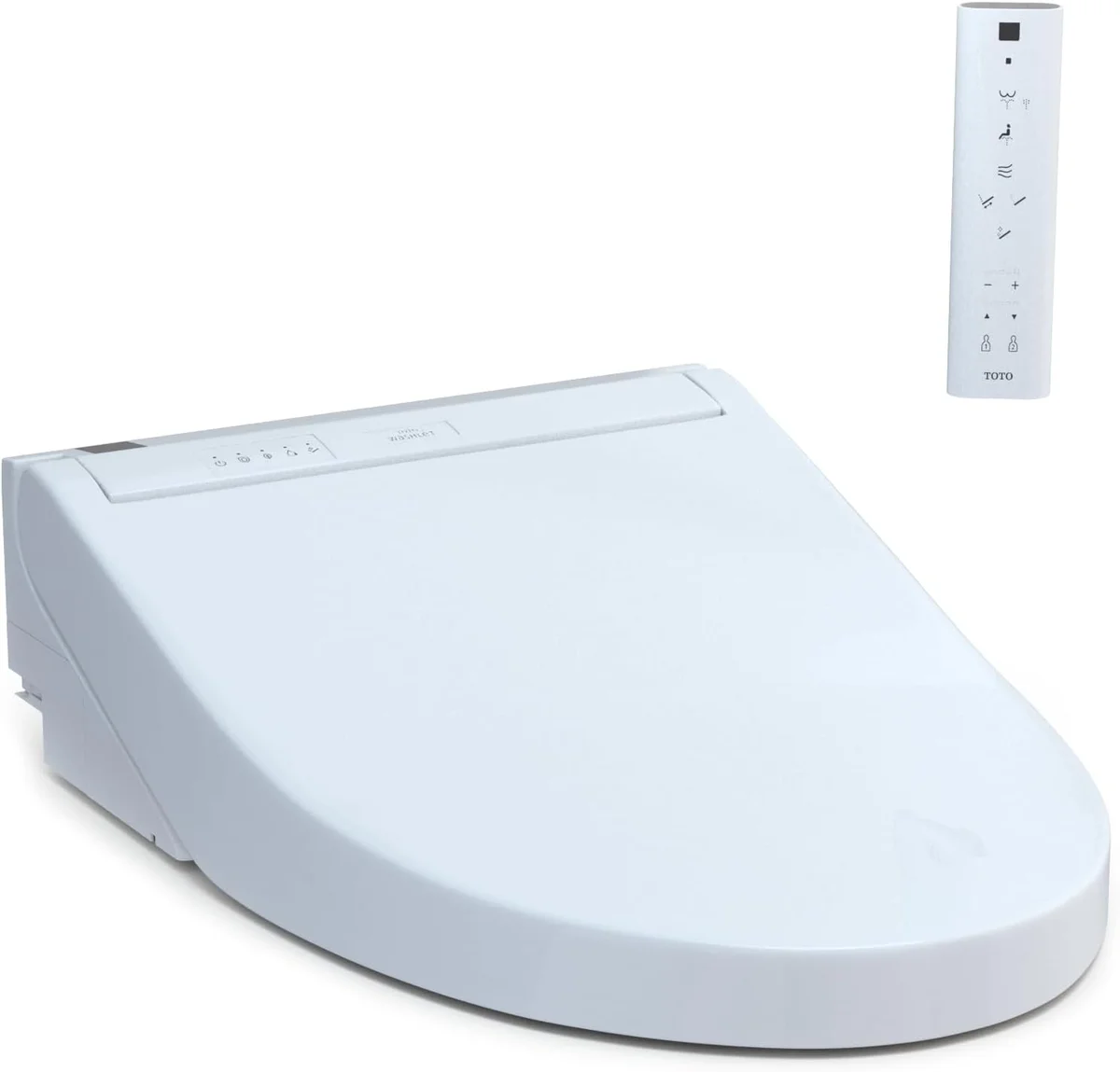
Ranked against the other things an outlet buys, the heated seat punches above its billing. The dryer is slow and most owners abandon it; auto-open and deodorizer are pleasant but forgettable; the heated seat, by contrast, pays off the instant you sit down, every single time, with no waiting and no fuss. That immediacy is why it tops the list when owners on r/bidets name the feature they would keep if forced to strip a seat back to one. Brands lean into it accordingly — Brondell and others put adjustable seat heat on nearly every electric model — because it converts skeptics faster than any spec on the box.
The honest caveat is that the heated seat travels with the rest of the electric package, so you cannot weigh it in isolation. Paying for a warm seat means paying for warm water, a dryer, and the electronics whose reliability separates good electric seats from cheap ones, plus the standby energy and the outlet. For buyers who can fit an electric seat, that bundle is usually worth it for the heated seat alone; for buyers who cannot, the warm seat is the one comfort a non-electric seat genuinely cannot replicate, and the clearest single reason to find a way to add an outlet. Buyers tempted to instead replace the whole toilet should first read our comparison of toilets with heated seats and a bidet, since a seat gets the same warmth for far less; where the heated seat sits against warm-water type and the dryer is laid out in our features that matter guide.
Find your heated seat
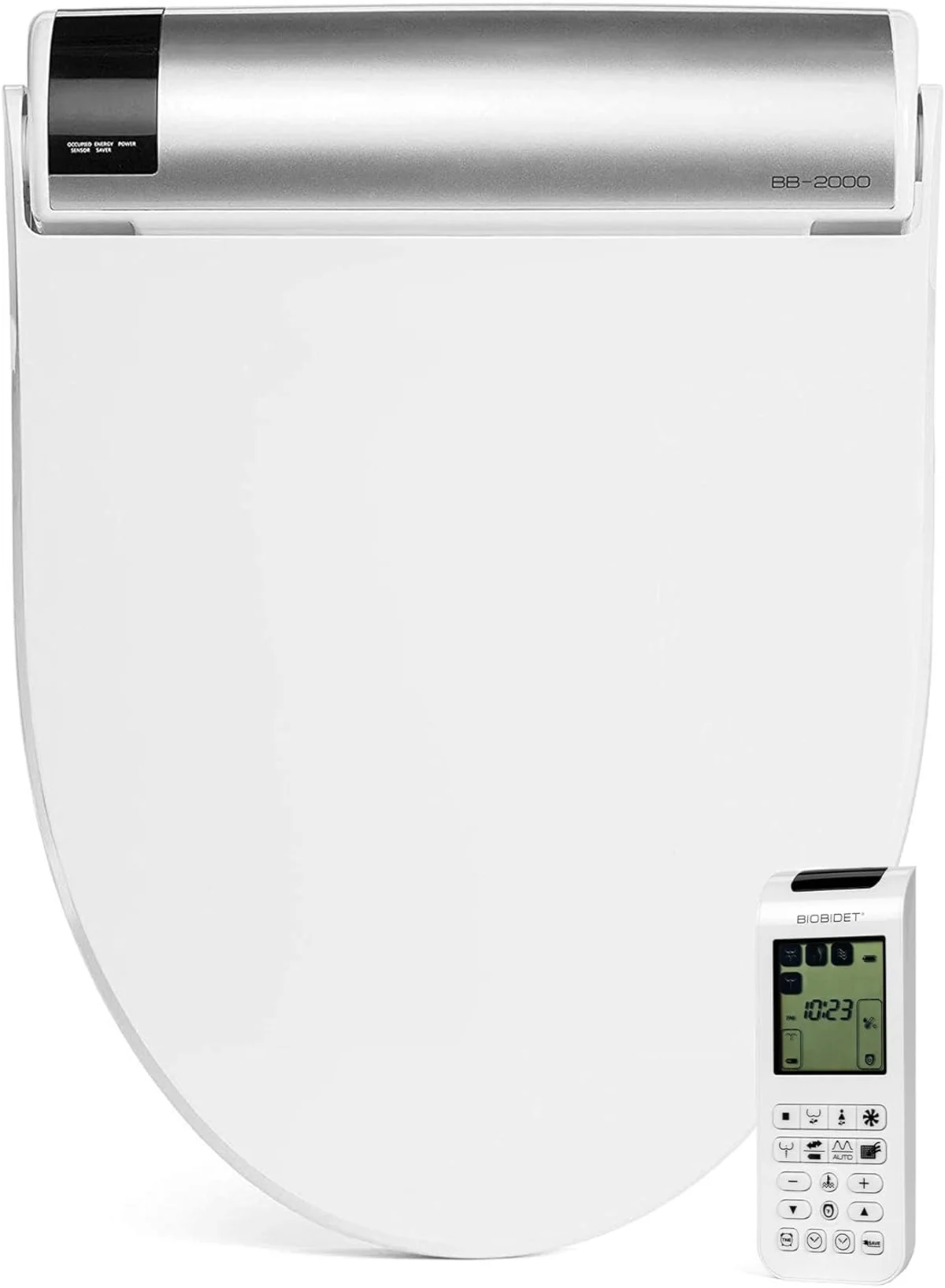
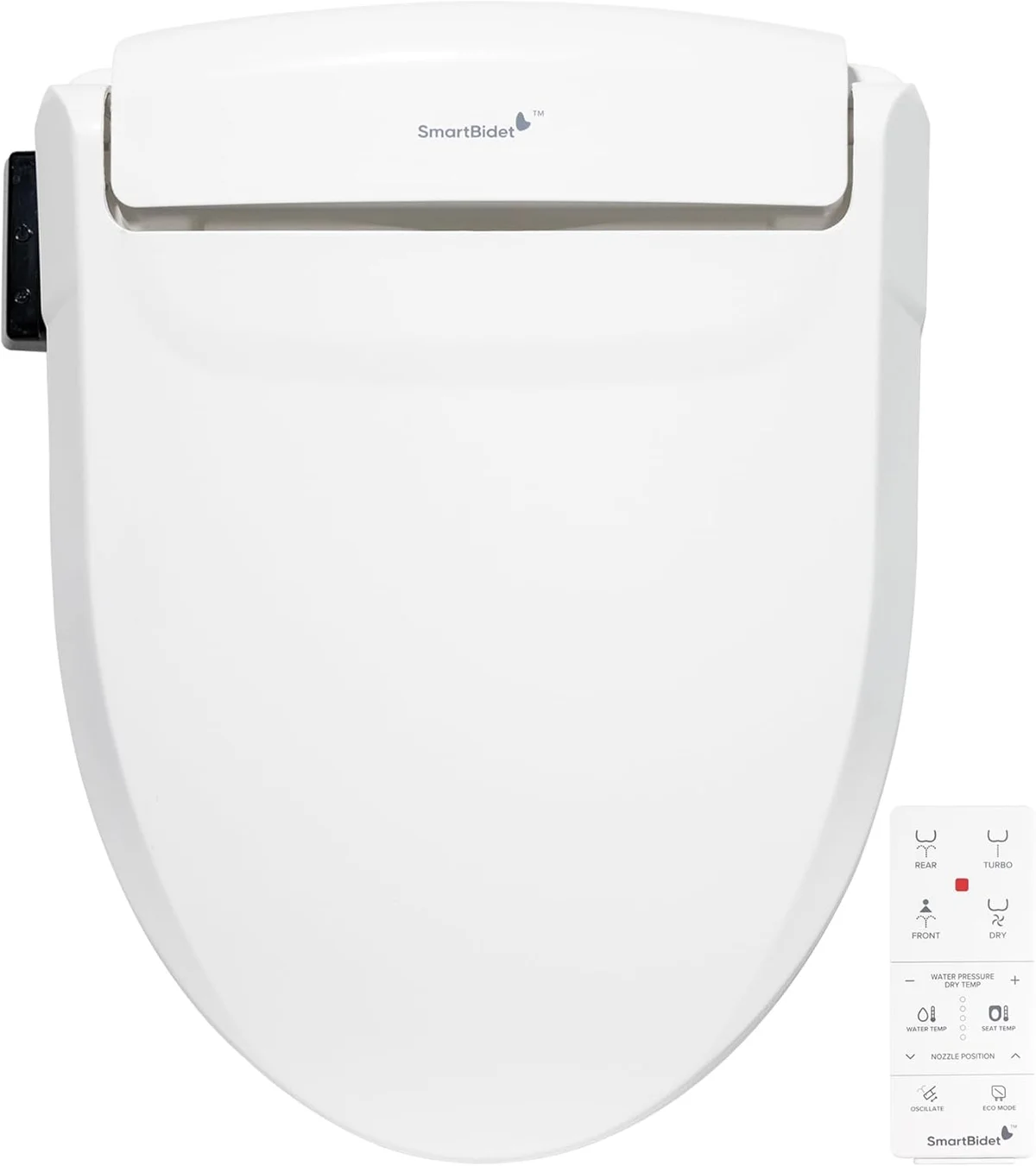
Put the warm seat in context: browse our best bidet toilet seats roundup, read what else the outlet buys in electric bidet seats, or read the TOTO WASHLET S5 review for a long-term read on a heated-seat model.
Heated seat questions
Is a heated seat the same as heated water on a bidet?
No. The heated seat warms the surface you sit on; heated water warms the wash stream. They are separate systems with separate controls, and a seat can have one without the other — though in practice any seat with a warm seat is electric and usually offers warm water too.
What temperature does a heated bidet seat reach?
Most hold the surface between about 86 and 97°F, with three or so adjustable levels.
Do heated bidet seats use a lot of electricity?
Not much, but it adds up because the seat heats continuously to stay warm. A heated seat draws a small standby load around the clock rather than a burst on use, so owners who care about the cost or the always-on draw often set it to a lower level or schedule it off overnight using the seat’s timer.
Can you get a heated seat without an outlet?
No — a warm seat surface needs electricity, so it requires a grounded GFCI outlet within reach of the toilet.
Is a heated bidet seat worth it?
For most owners who try one, it is the feature they would keep if they had to drop everything else. The warm surface is what turns a cold-bathroom morning from a flinch into a non-event, and unlike the dryer it delivers that comfort instantly on every single use, which is why it tops the list of features owners say they notice first.
Sources
- TOTO USA — WASHLET heated-seat specifications. Accessed 2026-05-27.
- Bio Bidet — electric seat heating features. Accessed 2026-05-27.
- Brondell — electric bidet seat range. Accessed 2026-05-27.
- r/bidets community owner reports. Accessed 2026-05-27.