Toilets With Heated Seats and a Bidet
You can get a heated seat and a bidet wash two ways: buy an integrated bidet toilet, or add a heated bidet seat to the toilet you own. The seat delivers nearly the same daily experience for a fraction of the cost — the right answer for most buyers outside a remodel.
Two ways to the same comfort
A heated seat and bidet wash come either built into a whole new toilet or added to your current one with a seat. The functions are nearly identical — the same 86–97°F heated surface and warm wash — but the cost differs several-fold and the effort by a full plumbing job versus a one-hour swap.
The search for "a toilet with a heated seat and bidet" usually has a cheaper answer than the searcher expects. An integrated bidet toilet builds the wash nozzle, the water heater, the warm seat, and the controls into the bowl as one designed unit; a heated bidet seat adds those exact same functions to the toilet already bolted to your floor. Day to day, the warm wash and the heated seat feel the same from either — the heater type and wash quality matter far more than whether the parts are integrated. The difference shows up at the till and on installation day: the seat is a sub-hundred-to-few-hundred upgrade you fit yourself in under an hour, while the integrated toilet is a plumbing replacement several times the price.
| Aspect | Integrated toilet | Heated bidet seat |
|---|---|---|
| What you buy | A whole new toilet | A seat for your current toilet |
| Relative cost | Several times higher | A fraction as much |
| Install | Plumbing replacement | ~1 hour, DIY, T-valve splice |
| Daily experience | Warm wash + heated seat | Warm wash + heated seat |
| Look | Built-in, one-piece | Seat sits on existing bowl |
Why the seat usually wins
For the overwhelming majority of buyers, the heated bidet seat is the smarter purchase: it gives the same warm wash and heated surface without the cost of a new toilet or the disruption of replacing a working one.
The case for the seat is mostly arithmetic. You already own a perfectly good toilet, and the functions people actually want from "a heated bidet toilet" — the warm wash, the heated seat, the dryer — all come from the seat, not the bowl. Spending several times more to replace a working toilet for the same daily experience is hard to justify unless something else is driving it. The seat also keeps your options open: if you move, a seat can come with you, and if a future seat tempts you, swapping it is a ten-minute job rather than another plumbing project. The brands you would shop for an integrated unit — TOTO bidet seats, Kohler bidet seats, Brondell bidet seats — all sell the seat version of the same technology, so you are not trading down on the wash by choosing the seat.
The cost gap is the part that decides most buyers. A heated bidet seat — even a flagship instantaneous model from TOTO bidet seats or a feature-loaded Bio Bidet — sits in the low-hundreds range and installs in about an hour with a T-valve and a screwdriver. An integrated bidet toilet starts where a premium seat ends and climbs into four figures, before the plumber’s bill to remove the old toilet and set the new one. For the same warm wash at roughly 86–97°F and the same heated surface, that is several times the spend and a full plumbing job versus a one-hour DIY swap — which is why the seat is the default and the integrated unit the exception.
- Integrated toilet and heated seat use the SAME wash + heater tech
- The warm wash and heated seat feel identical from either
- The seat adds it to your current toilet for a fraction of the cost
When an integrated toilet does win
An integrated unit earns its four-figure premium in three cases: a remodel where the toilet is being replaced anyway, a demand for a built-in one-piece look, and a handful of functions — auto-flush, tankless designs, bowl-cleaning cycles — that a Brondell or TOTO seat cannot replicate.
There are real situations where the integrated toilet is the right call rather than the indulgent one. The clearest is a remodel or a new build, where you are buying a toilet regardless — at that point the incremental cost of an integrated bidet model over a plain toilet is far smaller than buying a seat separately later, and you get the cleanest result. The second is design: an integrated unit hides the seam, the bracket, and the supply hose that a separate seat leaves visible, which matters to buyers who want the bathroom to look bespoke. The third is capability at the very top end, where some integrated units add automatic flushing, tankless designs, and bowl-cleaning cycles a seat cannot replicate. None of these apply to the typical buyer who simply wants a warm wash on the toilet they already have — for them the seat wins decisively — but they are genuine reasons the integrated category exists.
The recurring community framing is simple: buy the integrated toilet if you are already remodelling, and buy a heated bidet seat in every other case — the daily experience is the same, and the seat costs a fraction as much.
Adding the seat to your toilet
Getting the integrated experience from a seat takes two checks: the seat must fit your bowl shape, and an electric seat needs a grounded outlet within reach. Clear those and the install is a short DIY job.
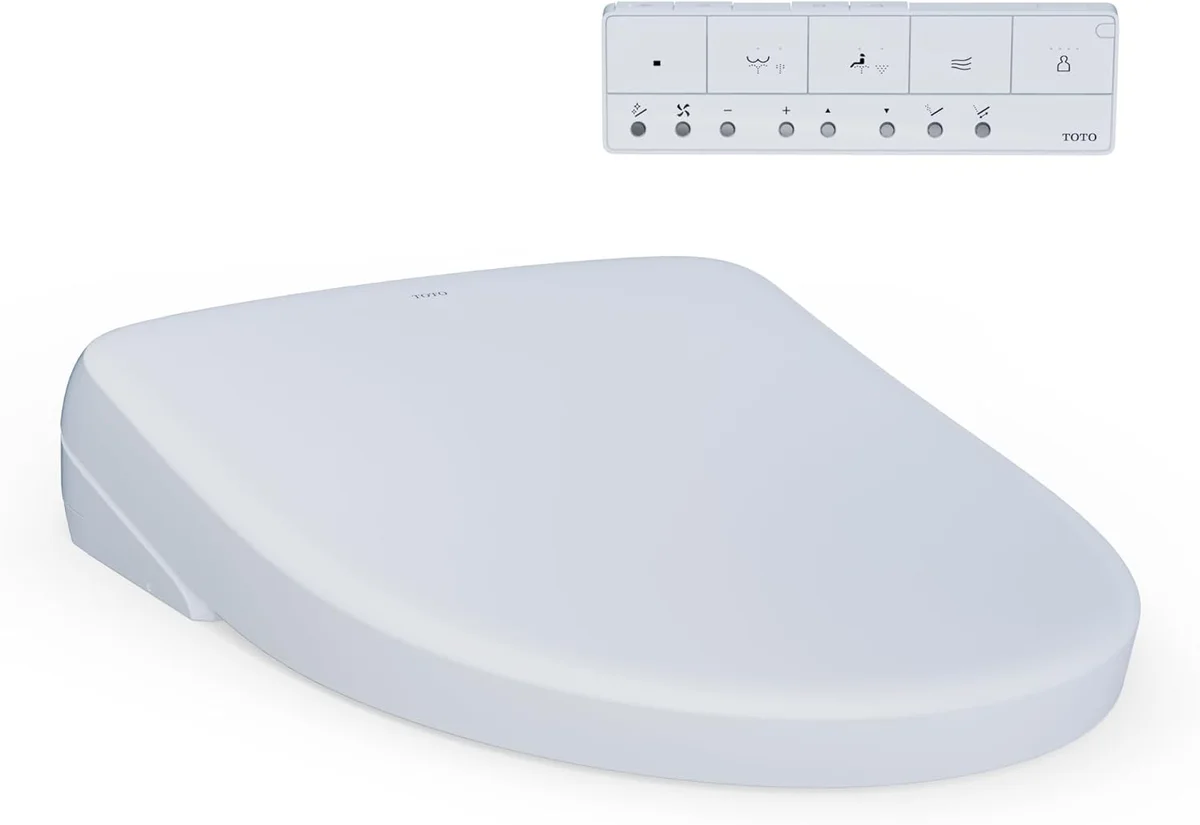
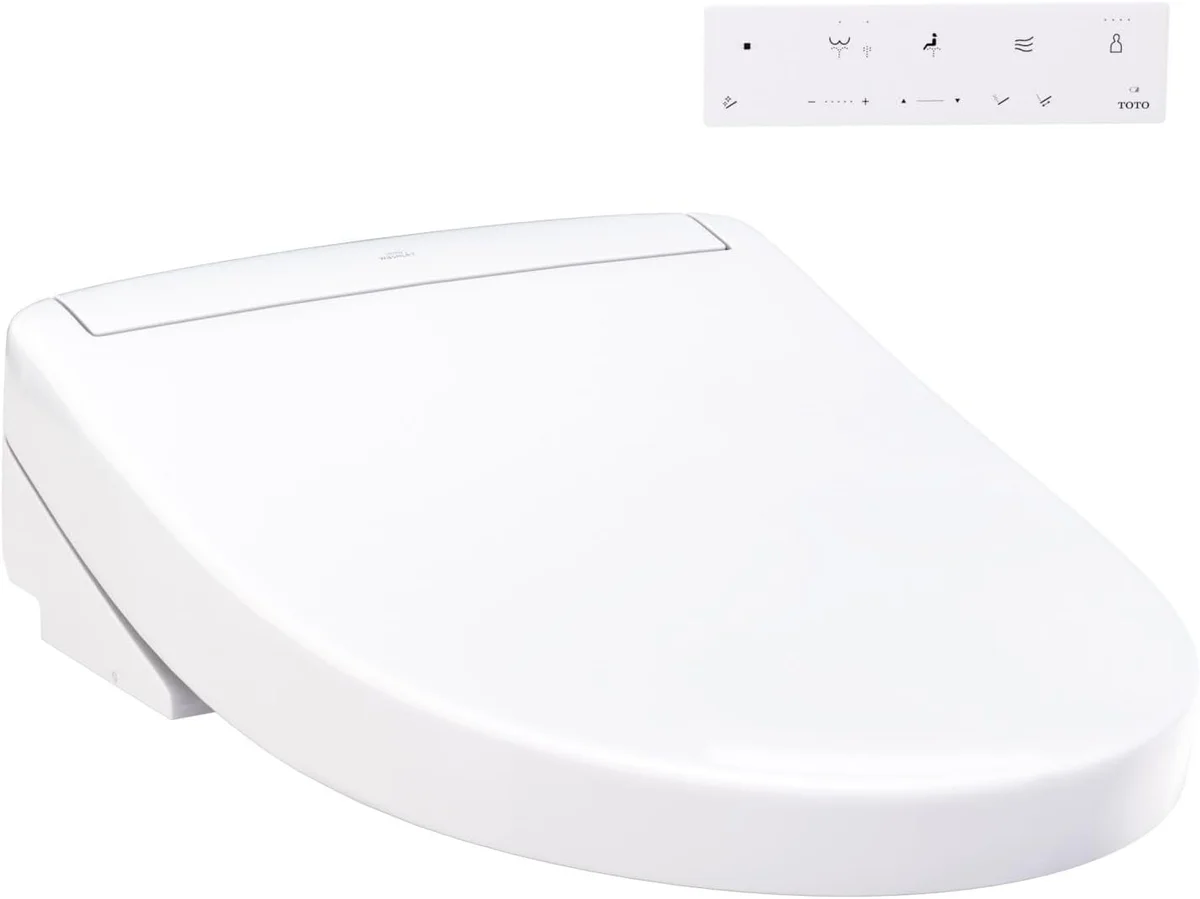
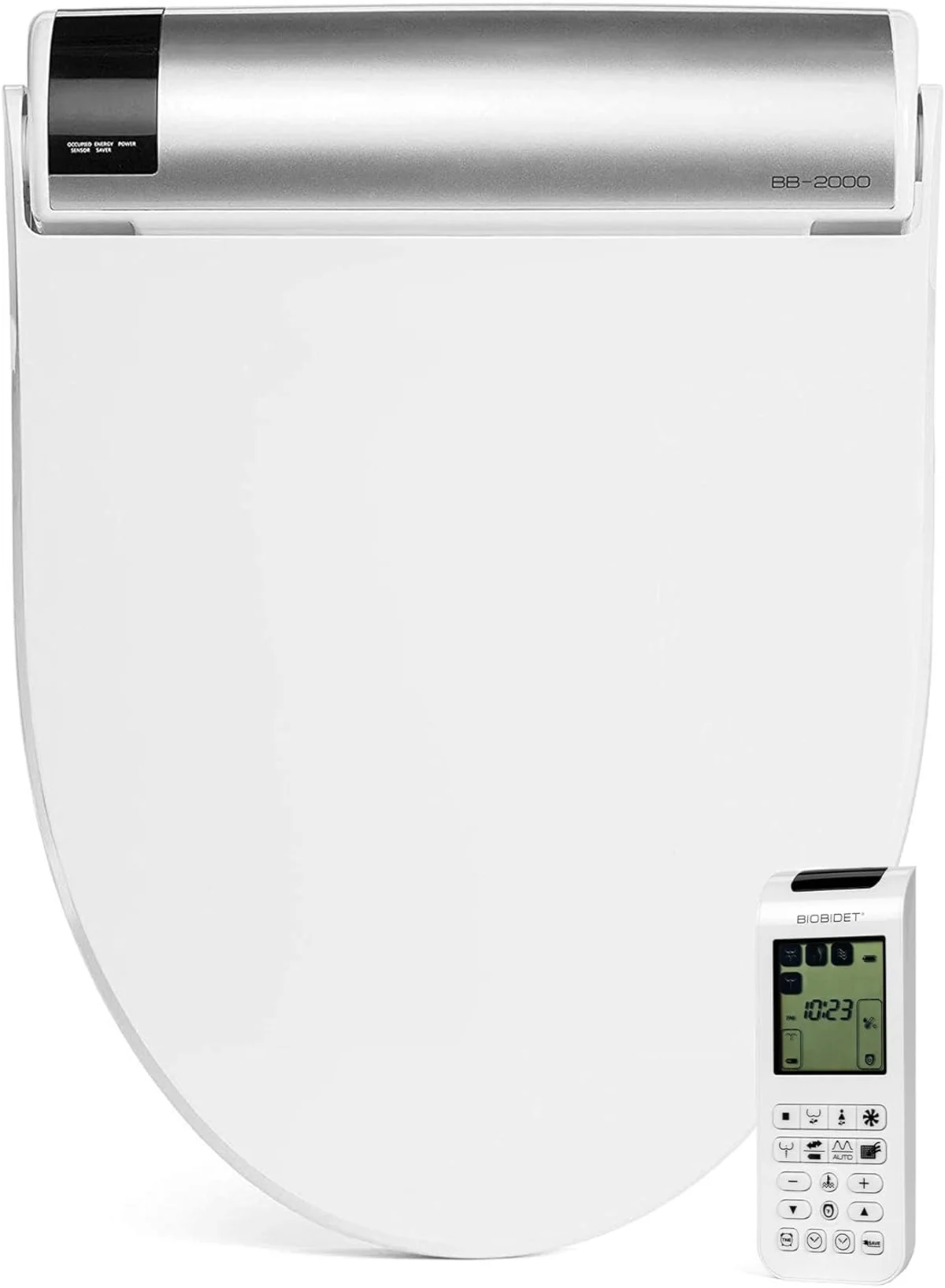
Choosing the seat path turns the decision back into the standard one. Confirm bowl shape first — most heated seats are elongated-only, so a round bowl narrows the list, exactly as our size and fit guide spells out. Then confirm power: a heated seat is electric by definition, so it needs a grounded GFCI outlet within about three feet, the same requirement every electric bidet seat carries. With those two cleared, the install is a sub-hour DIY job: swap the seat, splice the T-valve into the cold supply, plug in, and the toilet you already own now does everything an integrated unit does. The one design compromise is visual — the seat sits on top of your existing bowl rather than blending into it — which is the trade for spending a fraction of the integrated price.
Get the heated bidet without a new toilet
Take the cheaper path: browse our best bidet toilet seats roundup, read how the warm surface works in bidet heated toilet seats, or read the TOTO WASHLET S7A review for a long-term read on a flagship heated seat.
Integrated toilet vs seat questions
What is the difference between an integrated bidet toilet and a bidet seat?
An integrated bidet toilet is a complete toilet with the wash, warm water, and heated seat built into the bowl as one unit. A bidet seat adds those same functions to the toilet you already own. The seat costs a fraction as much and installs in under an hour; the integrated unit is a plumbing replacement.
Do you need a new toilet to get a heated seat and bidet?
No — a heated bidet seat adds both to your existing toilet.
Are integrated bidet toilets worth it?
They are worth it for a remodel or a built-in look, not as the default way to get a bidet. An integrated unit gives the cleanest design and a few functions a seat cannot, but it costs several times more and means replacing a working toilet, so most buyers get the same daily experience far cheaper with a heated bidet seat.
Can any toilet have a heated seat and bidet added?
Most can, as long as the bowl shape fits the seat and there is an outlet nearby.
Integrated toilet or bidet seat: which should you buy?
Choose a bidet seat unless you are already replacing the toilet or remodelling the bathroom. The seat delivers the same warm wash and heated seat for a fraction of the cost and effort, so the integrated unit only makes sense when the built-in design or a new-toilet project justifies the much higher spend.
Sources
- TOTO USA — WASHLET seats and integrated toilets. Accessed 2026-05-27.
- Kohler — bidet seats and integrated toilets. Accessed 2026-05-27.
- r/bidets community owner reports. Accessed 2026-05-27.