Bidet Seat Features That Actually Matter
Only a few bidet-seat features change how happy you are with the seat: how it heats the water, whether the seat itself is warm, and how good the wash is. Most of the rest — the dryer, auto-open, deodorizer — look good on the box and fade fast, so weighting them equally is how buyers overpay.
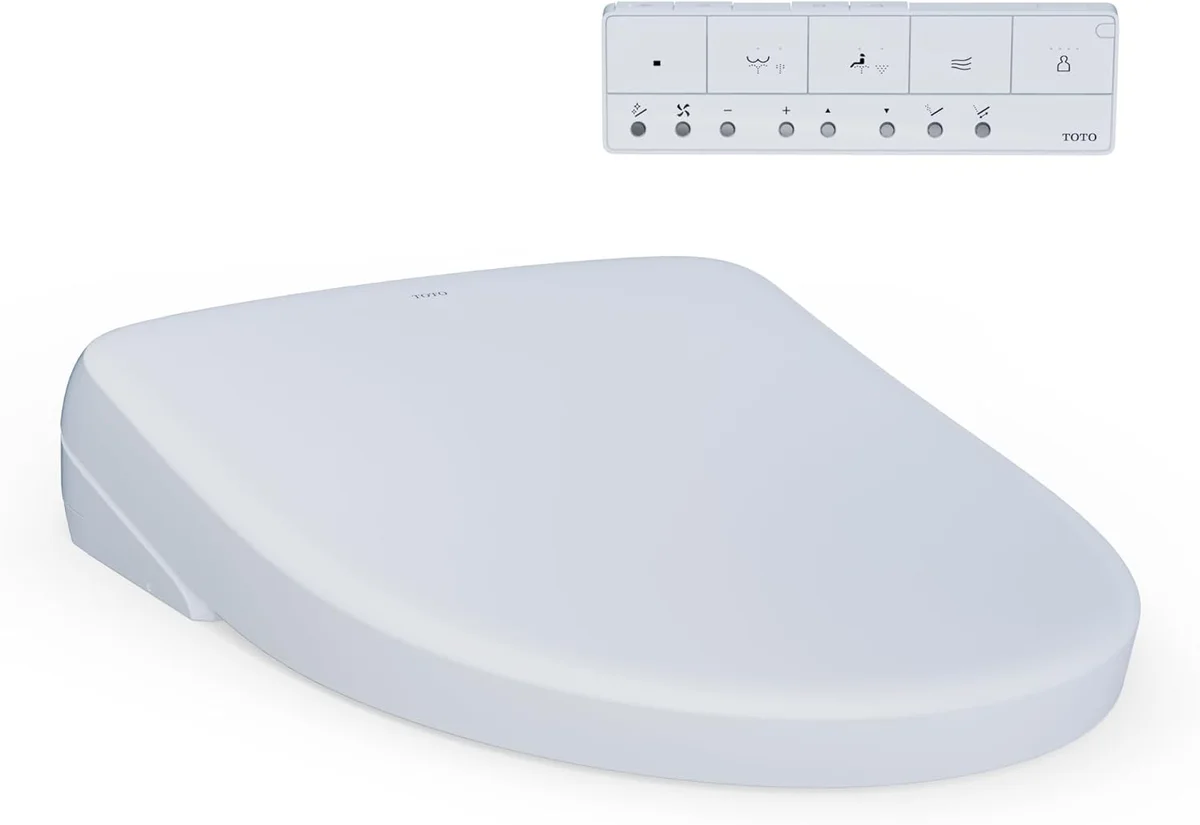
The one spec that outranks the rest
Above every other feature sits one question: how does the seat heat the water? Instantaneous heating gives continuous warmth; a reservoir tank runs cold after about a minute.
If you read only one line on the spec sheet, read the heater type. An instantaneous (tankless) heater warms water on demand and stays warm for the whole wash; a reservoir tank stores a small pre-warmed volume and runs cold after roughly 45–60 seconds while it reheats (TOTO USA). This is the spec owners come back to most — the r/bidets "how long does the warm water last?" threads exist because so many buyers discover the tank limit after purchase. We treat the full warm-water decision in electric bidet seats; here it simply sits at the top of the ranking.
The features you touch every day
Below warm-water type, two features earn their place because you feel them on every use: a heated seat and the wash itself — nozzle position, pressure range, and oscillation.
The heated bidet seat is the feature owners name first when asked what they would not give up: a surface held around 86–97°F turns a cold-bathroom morning from a flinch into a non-event. The wash is the other daily feature, and it is more than a single number — nozzle position adjustability, a usable pressure range, and oscillation (a sweep that stops coverage depending on sitting still) decide whether the clean is complete (Horow). A two-nozzle seat that separates posterior and feminine washes matters far more to daily satisfaction than an extra preset mode no one uses.
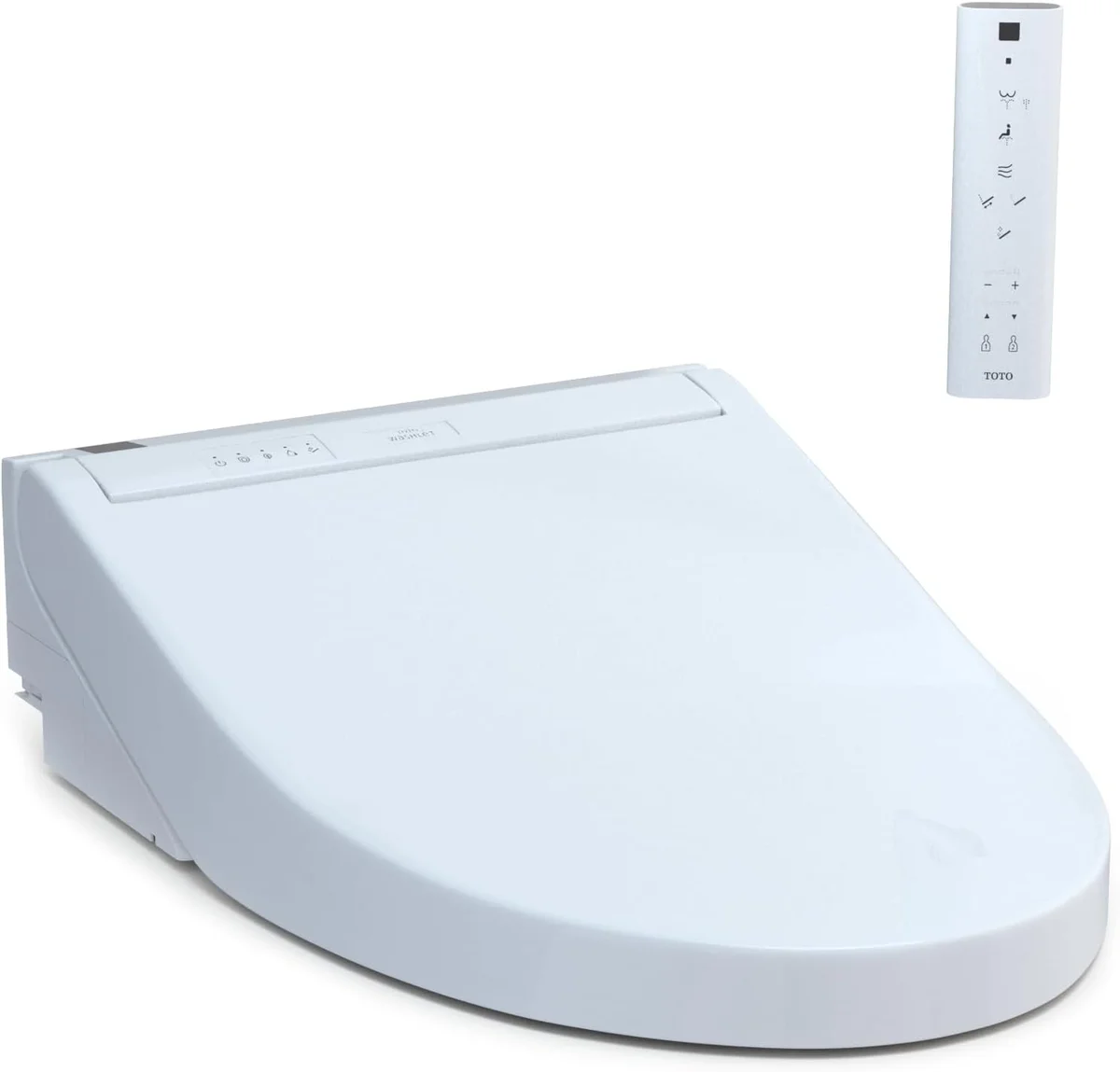
Two small wash details separate a seat owners keep from one they tolerate. The first is nozzle adjustability: a fixed nozzle that sprays one spot forces you to move to it, while a seat with multiple posterior positions and a front-feminine setting meets you where you sit. The second is the nozzle clean cycle — a self-rinse before and after use is the quiet hygiene feature owners on r/bidets mention long after the dryer has been forgotten. Neither shows up in the headline bullet count, which is exactly why both get underweighted at the point of purchase.
| Priority | Feature | Why it ranks there |
|---|---|---|
| 1 — decisive | Warm-water type | Continuous vs runs-cold; shapes every wash |
| 2 — daily | Heated seat | Noticed first, missed most |
| 3 — daily | Wash quality (nozzle, pressure, oscillation) | Decides whether the clean is complete |
| 4 — useful | Pre-mist, nozzle self-clean | Quiet hygiene wins owners underrate |
| 5 — minor | Dryer, auto-open, deodorizer, nightlight | Look good on the box, fade in use |
The features that sell the box
The dryer, auto-open lid, deodorizer, and nightlight dominate marketing copy but rarely change daily satisfaction — and each motorized extra is one more thing that can fail.
The bottom of the ranking is where the marketing spends its energy. The warm-air dryer at roughly 104°F is too slow to replace paper for most owners, so it ends up a minor convenience rather than the feature its prominence suggests. Auto-open lids, deodorizers, and nightlights are pleasant but rarely tip a decision — and every motorized extra adds a part that can fail, which matters because reliability already separates the cheapest electric seats from the rest. The honest read is that a seat strong on the top three features and light on these will satisfy more than a loaded seat that is merely average where it counts.
The recurring r/bidets question "are some features worth an extra couple hundred bucks?" almost always resolves the same way: spend on warm-water type and a good wash, not on the dryer or the auto-open lid.
Reading a feature list without the noise
A loaded seat can still be unbalanced. Scoring a model across wash, warmth, dryer, controls, and reliability shows where its features are real strength and where they are padding.
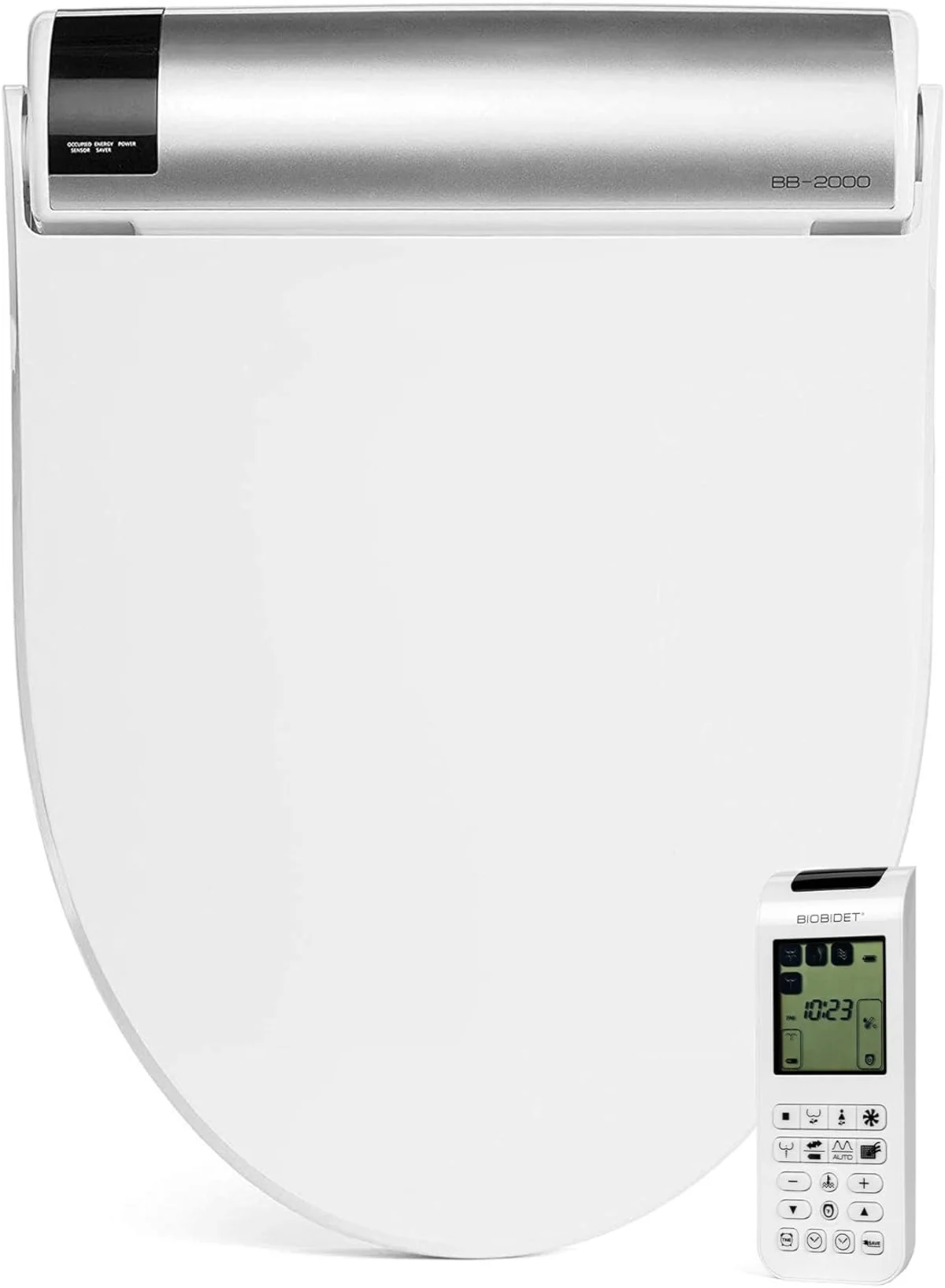
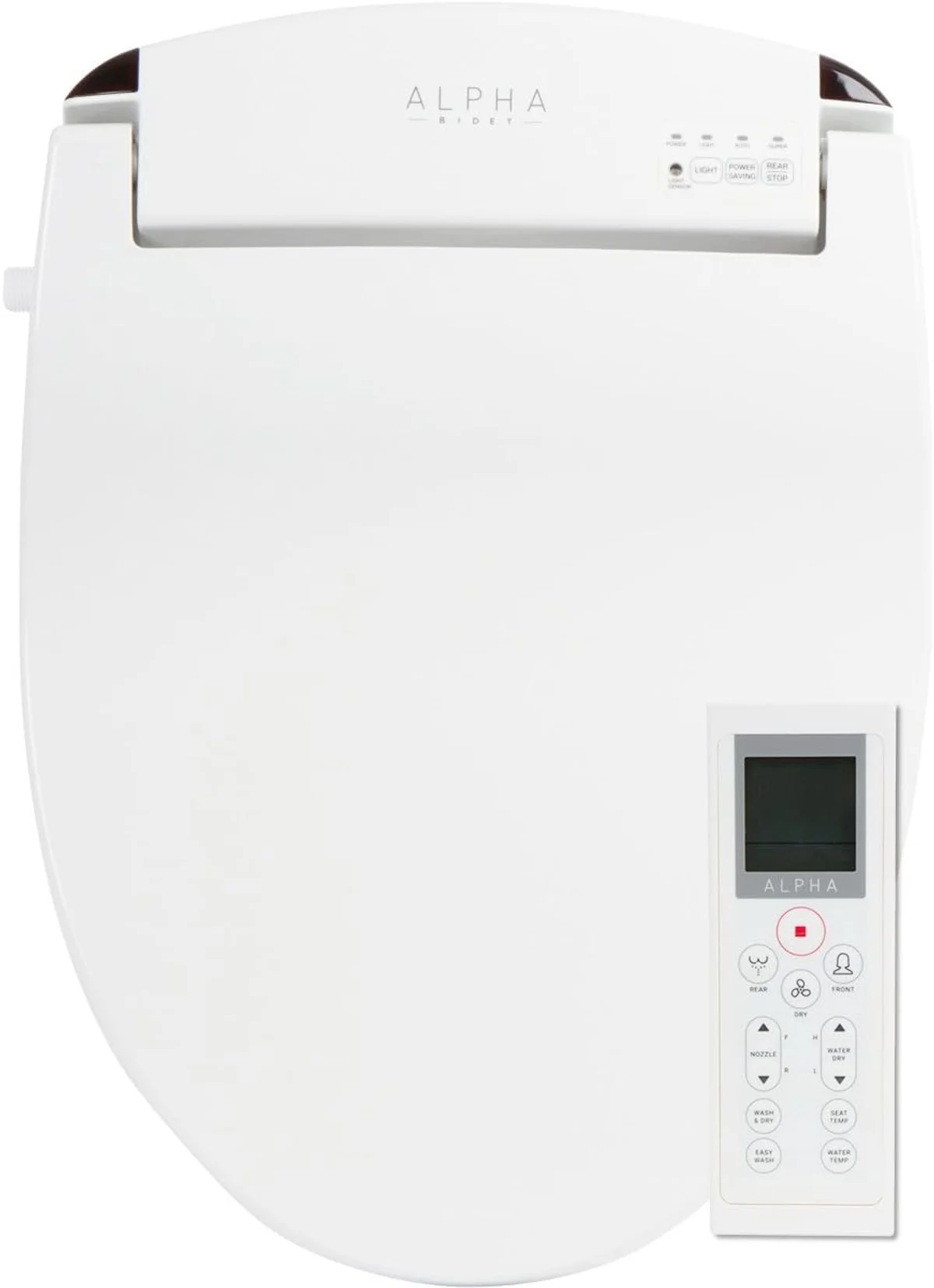
The trap is reading a long feature list as a quality score. A feature-rich seat like the Bio Bidet BB-2000 rates high on wash and controls but, like other reservoir-tank seats, gives up ground on sustained warmth, and budget electronics drag the reliability axis on cheaper models. Plotting a seat across the five axes that actually matter keeps the box copy honest — a model that spikes on controls but dips on warmth and reliability is telling you where it spent the budget.
When the ranking shifts for you
The priority order above is the default, but a few household specifics reorder it. Your bathroom, your bowl, and who shares the seat can move a feature up or strike it off entirely.
The clearest example is power. If there is no grounded outlet within about three feet of the toilet, warm-water type drops off the list completely until an electrician changes that — the whole electric feature set is off the table, and a non-electric bidet seat with a strong wash becomes the right target instead. Bowl shape works the same way: on a round toilet, fit jumps to the top of the ranking because most seats are elongated-only, so a seat that physically mounts outranks one with a better feature sheet that hangs over the bowl.
Who uses the seat shifts the rest. A shared household weights control layout and a wireless remote higher, because a side panel that is a stretch for one person is a daily friction for four. Owners buying for mobility or post-surgery recovery — a recurring case in the r/bidets "after hip replacement" and "larger bodies" threads — rate auto-open lids, a wide seat, and a low reach far above the dryer the marketing leads with. The ranking is a starting weight, not a fixed law; the bidet seat buying guide walks how to re-weight it for your bathroom.
Now put the ranking to work
Turn this priority order into a shortlist: browse our best bidet toilet seats roundup, follow the how to choose a bidet seat guide to apply the ranking step by step, or read the Bio Bidet BB-2000 review to see a feature-loaded seat judged against the features that actually matter. Once the seat is chosen, our setup and maintenance guide covers the twenty-minute install.
Feature questions buyers ask
What is the most important feature on a bidet seat?
How it heats the water. An instantaneous (tankless) heater gives continuous warm water; a reservoir tank runs cold after about a minute. That single spec shapes satisfaction more than any other feature on the box, which is why it belongs at the top of any comparison.
Is a heated seat worth it on a bidet seat?
For most owners, yes — it is the feature they say they notice first and miss most.
Does a bidet seat need a remote?
Not strictly, but control placement matters more than control count. A wireless remote frees up the side panel and is easier to share, while a side-mounted panel keeps everything attached but is a longer reach. Pick the layout that suits how your household will actually use the seat rather than counting buttons.
Are bidet seat dryers any good?
They are the most over-sold feature in the category. At roughly 104°F the warm-air dryer takes minutes to finish, so most owners still pat dry with paper and treat the dryer as a minor convenience rather than a reason to spend more.
Does more features mean a better bidet seat?
No. A loaded feature list often hides an average wash or a weak reliability record.
Sources
- TOTO USA — WASHLET features and specifications. Accessed 2026-05-27.
- Bio Bidet — electric seat feature set. Accessed 2026-05-27.
- r/bidets community owner reports. Accessed 2026-05-27.
- Horow — bidet use, types, benefits and risks. Accessed 2026-05-27.