Non-Electric Bidet Seats: Less to Break, No Outlet Needed
A non-electric bidet seat washes using only your home’s water pressure, with no plug, no heater, and no electronics. You give up warm air and a heated seat, and in return you get a seat with almost nothing to fail, a lower price, and an install that takes minutes instead of an electrician.
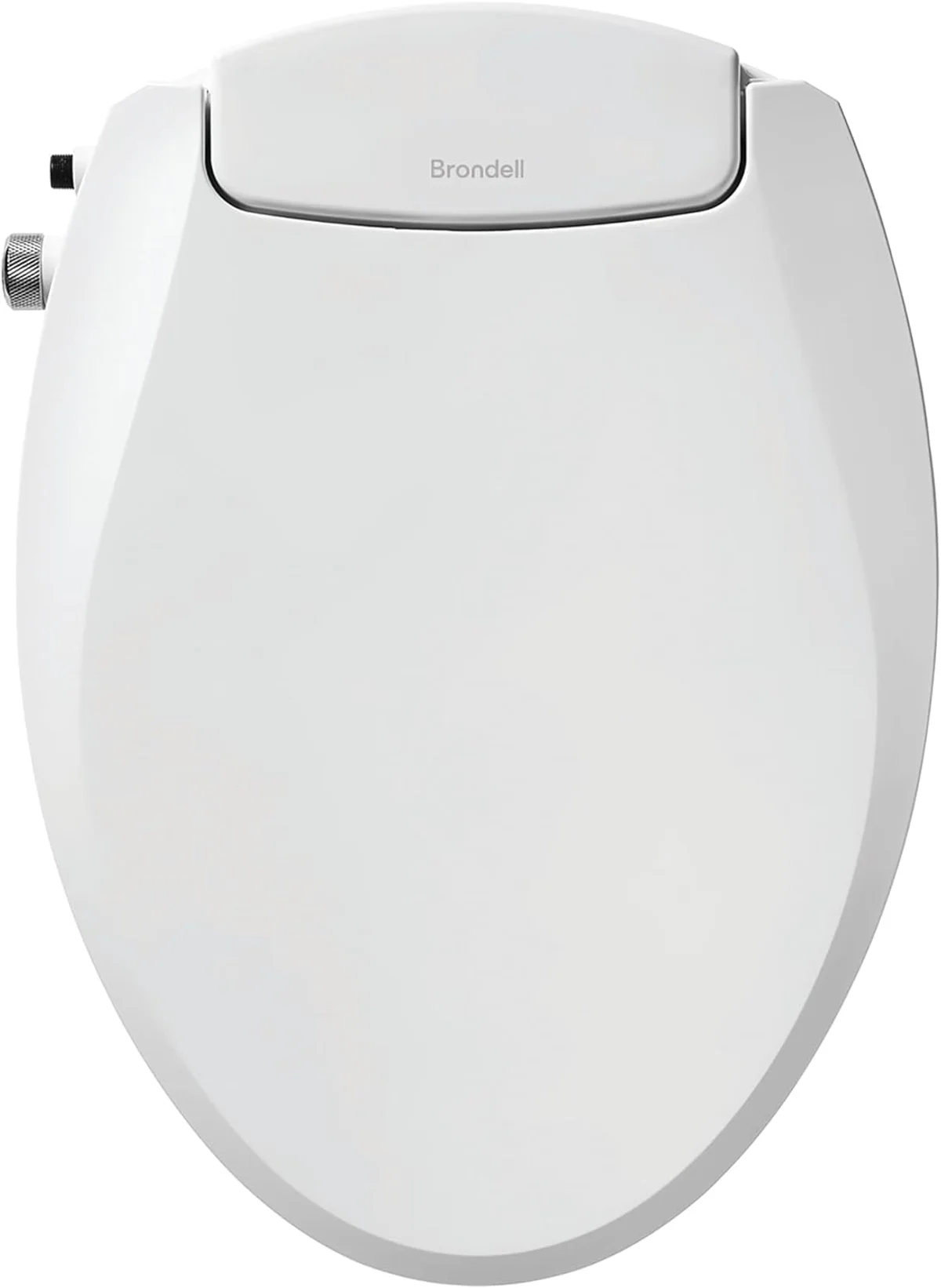
Why owners choose to skip the outlet
Three reasons drive most non-electric purchases: a ten-minute install with no electrician, a seat with almost nothing to break, and a price a fraction of a warm-water electric model.
The case for non-electric is short and concrete. There is no GFCI outlet to find or install, so the seat works in any bathroom; there is no heater, pump, or control board, so the list of things that can fail shrinks to the nozzle and the supply splice; and the price sits well below a comparable electric seat — and only a little above a bare clip-on bidet attachment, which buys a far more finished seat. On r/bidets, the recurring "non-electric seat recommendations" and "best non-electric bidet seat?" threads are some of the most active in the community — the sign that this is a deliberate first choice for many buyers, not a fallback — our guide to who should choose a non-electric seat walks the buyer profiles it suits best, and our roundup of the best non-electric bidet seats ranks the models head to head.
| Aspect | Non-electric | Electric |
|---|---|---|
| Outlet | None needed | Grounded GFCI within ~3 ft |
| Warm water | Cold tap (or warm-water hookup) | Yes — heater built in |
| Heated seat / dryer | No | Yes |
| Parts that can fail | Nozzle + T-valve only | Heater, pump, board, remote |
| Install | ~10 minutes, no trades | Same plus an outlet if missing |
The cold-water objection — and the workaround
Cold water is the one real downside, and it is the objection that sends many buyers to electric. The workaround most miss is a non-electric seat that hooks to a warm-water line.
The honest knock on non-electric seats is the temperature: a cold stream in a cold bathroom is a genuine shock, and it is the single reason owners most often cite for paying for an electric bidet seat instead. The overlooked middle path is a non-electric seat with a warm-water hookup — a handful of models tap the sink’s hot line or a nearby water-heater line rather than an outlet, delivering warm water without any electronics (Brondell). It is a narrower category and the install is fussier, but it answers the cold-water objection without committing to a GFCI circuit or a control board that can fail.
In the r/bidets non-electric recommendation threads — among the highest-scoring in the community — the most common tension is exactly this: owners who want the simplicity of no outlet but still flinch at cold water in winter.
The real risks are fit and pressure
With no electronics to fail, the two things that actually disappoint non-electric owners are a seat that does not fit the bowl and a wash that feels weak on low house pressure.
Because a non-electric seat has nothing electrical to break, its disappointments come from two other places. The first is fit: most seats are elongated-only, so a round-bowl toilet narrows the shortlist sharply and an ill-fitting seat is the most common return. The second is pressure: the wash is driven by house pressure alone, so a home with weak supply gets a softer stream than the same seat in a high-pressure house. Confirm bowl shape and think about your water pressure before you buy, because neither is something the seat itself can fix.
- Bowl shape Elongated only Measure your bowl — elongated-only seats overhang the other shape.
- Mounting clearance 50 mm behind seat Tank-to-seat gap must clear the control housing.
- Power None — non-electric No outlet needed.
- Water-line access T-valve included; standard 7/8-inch toilet supply; warm-water-hookup models also need a nearby hot line Shut-off valve and supply line must accept the tee.
Check every axis against your toilet before buying
The wash itself loses little by going non-electric: dual-nozzle posterior and feminine streams, pressure control, and an adjustable nozzle position are all available without power (Horow). The map below shows the wash layout a good non-electric seat still delivers.
Which seats owners actually recommend
A handful of names recur in the non-electric threads — Brondell, TUSHY, Kohler PureWash, and budget options like Clirass — each with a specific caveat owners flag.
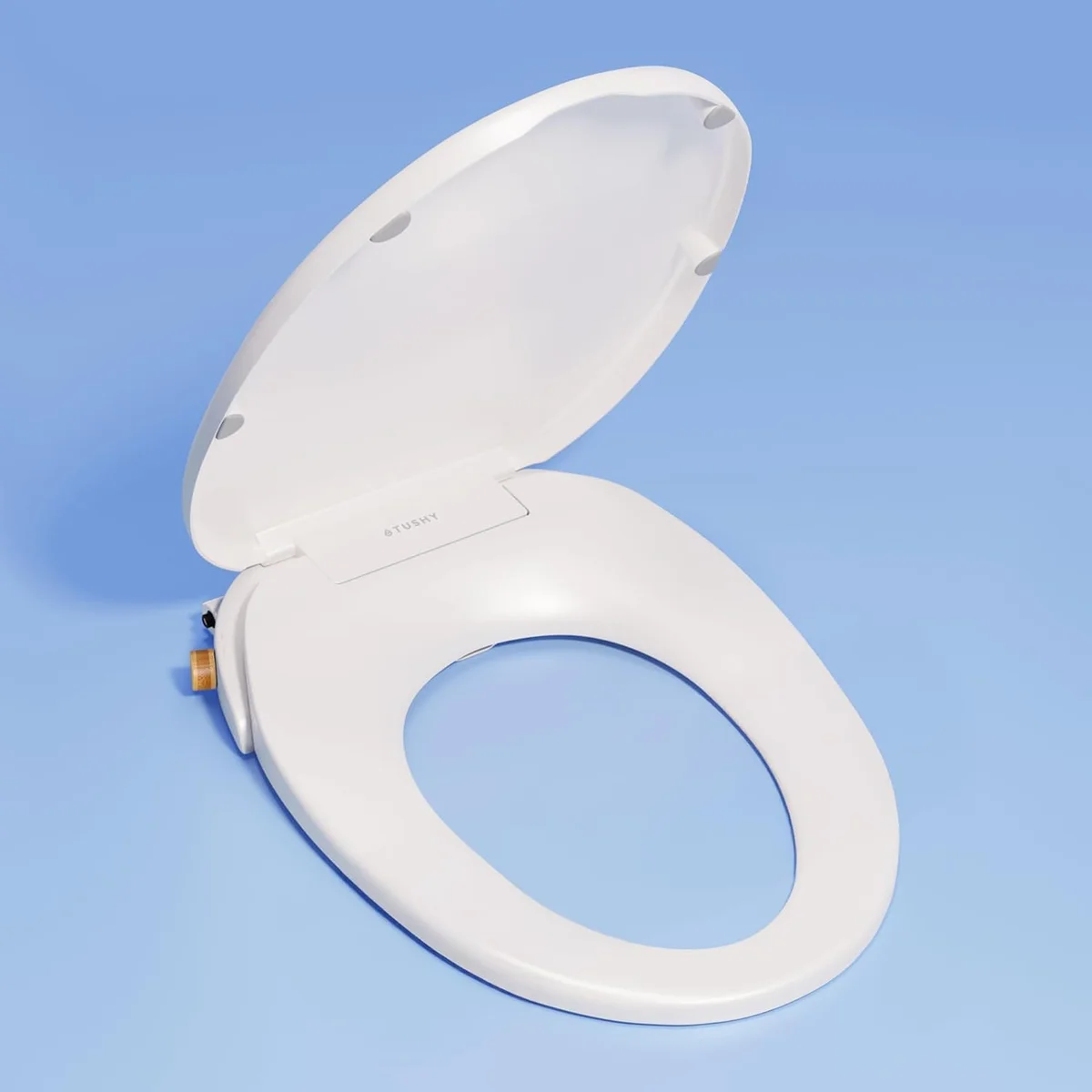
The community shortlist is consistent. Brondell’s Swash EcoSeat is the most-named starter seat, though its cheapest S101 trim draws blunt "the EcoSeat S101 is awful!" threads on r/bidets for build feel, so owners often step up a trim. TUSHY is the design-led pick. Kohler’s PureWash M-series is the major-brand option with retail support. Budget seats like the Clirass quiet-close seat come up as the "good low-cost alternative" when money is tight. The table places them so you can match a name to a need.
| Seat | Owners reach for it when… | Caveat |
|---|---|---|
| Brondell Swash EcoSeat | They want a known-brand starter seat | Cheapest S101 trim feels flimsy |
| TUSHY (Classic / Spa) | Looks and a warm-water-hookup option matter | Warm version needs a hot line |
| Kohler PureWash M250 / M300 | They want big-brand retail support | Plainer feature set |
| Clirass quiet-close | Budget is the hard constraint | Lesser-known brand, thinner support |
How one actually goes on
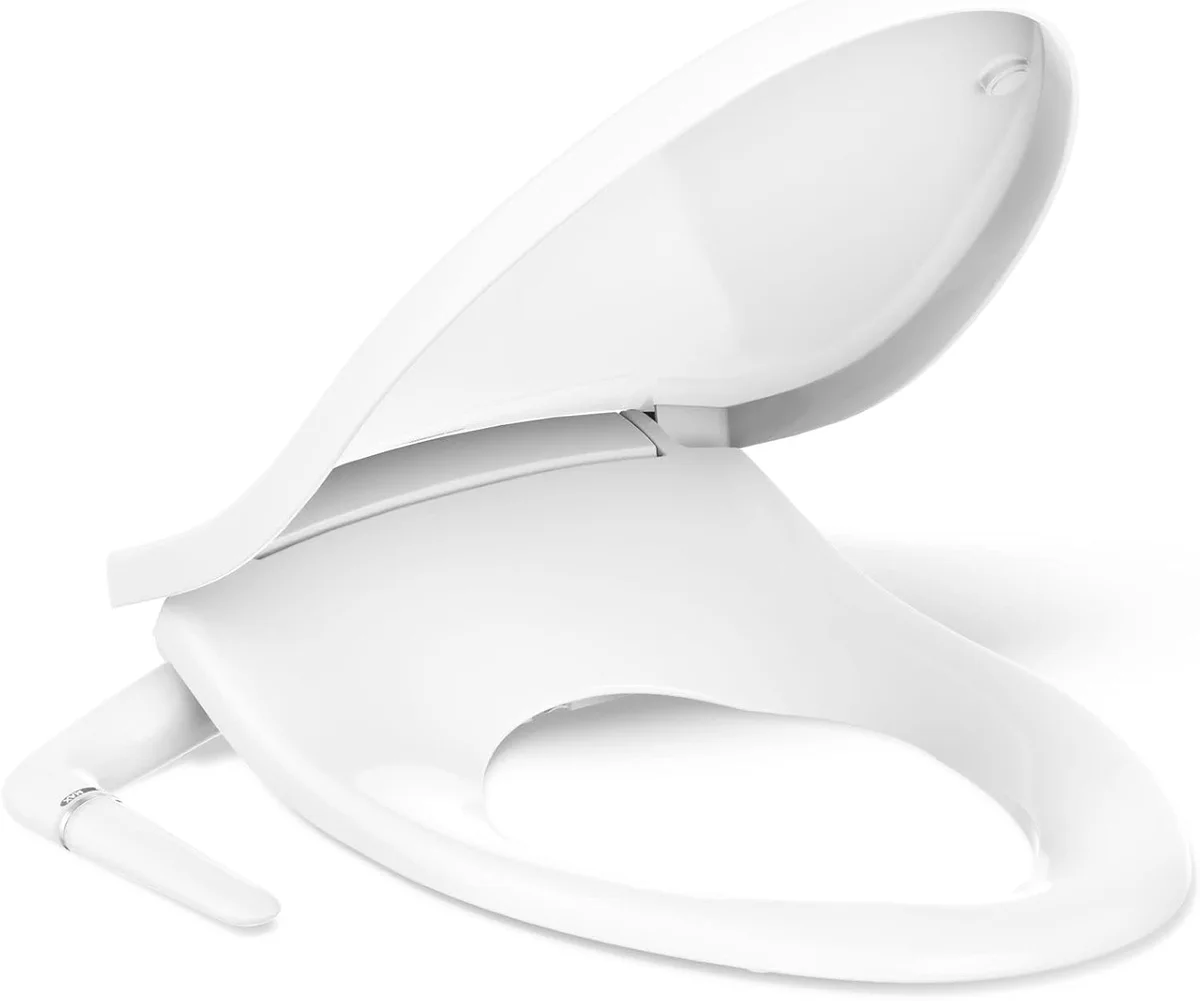
The whole appeal of non-electric is the install: shut the supply, swap the seat, splice the T-valve, and watch for drips. Most owners are done in well under an hour with no trades and no special tools.
The sequence is short enough that it is the reason many people start here rather than electric. You turn off the toilet’s shut-off valve and flush to empty the tank; unbolt the old seat; mount the bidet seat’s bracket and click the seat onto it; then splice the included T-valve into the line between the shut-off and the toilet’s fill inlet, which is a standard 7/8-inch connection on most US toilets (Brondell). There is no electrical step at all, which is the entire point — no outlet to find, no electrician to schedule, no GFCI circuit to add.
In the r/bidets install threads, the most common first-timer surprise is not the splice itself but how ordinary it is — "swapped the seat, hooked the T-valve, done before the coffee was cold" is the recurring shape of the report.
The one piece of follow-up worth the discipline is the leak watch. The T-valve splice is the single most common failure point on any bidet seat, electric or not, so owners who keep a dry paper towel under the connection for the first day catch the rare weeping fitting before it becomes a puddle. It is also why hand-tightening plus a careful quarter-turn beats over-cranking the plastic nut, a mistake the r/bidets install threads see crack fittings more often than under-tightening does. Beyond that day, a non-electric seat is genuinely set-and-forget: with no heater to scale up and no board to fail, maintenance is an occasional nozzle clean rather than a service call.
That install simplicity also makes a non-electric seat the low-risk way to find out whether a bidet suits your household at all. Because there is no wiring to undo, taking one off is as fast as putting it on, so the seat that proves the wash is worth keeping can later be traded up to an electric bidet model without regret over a complicated first install. For the full fit-and-power decision behind that upgrade path, our explainer on how bidet seats work walks the mechanics end to end.
Ready to pick a non-electric seat
Match the no-outlet simplicity to a model: browse our best bidet toilet seats roundup, follow the how to choose a bidet seat guide to weigh cold-water simplicity against the cost of going electric, or read the long-term Brondell Swash EcoSeat review for a verdict on the most-recommended starter seat.
Non-electric bidet seat questions
Do non-electric bidet seats have warm water?
Most do not — they wash with cold tap water at house pressure. A small group of models tap a warm-water line from the bathroom sink or water heater instead of an outlet, which is the one way to get warm water without going electric.
Can you install a non-electric bidet seat without a plumber?
Yes. A non-electric seat splices into the toilet’s existing cold supply with an included T-valve and hand-tightened fittings, so most owners install one in well under an hour with no electrician and no plumber. Watching the T-valve for drips for the first day is the only real follow-up, because the supply splice is where the rare leak starts.
Who makes the best non-electric bidet seat?
There is no single answer, but the names that recur most in owner threads are Brondell, TUSHY, and Kohler’s PureWash line.
Are non-electric bidet seats worth it?
For a first bidet, a tight budget, or a bathroom with no outlet near the toilet, they are often the smarter buy. You trade warm air and a heated seat for a seat with far fewer parts to fail, a much lower price, and a ten-minute install — and many owners find the wash alone is the part that actually changed their routine.
Do non-electric bidet seats fit round toilets?
Some do, but most are elongated-only. Measure the bowl first.
Sources
- Brondell — Swash EcoSeat non-electric product line. Accessed 2026-05-27.
- Kohler — PureWash manual bidet seats. Accessed 2026-05-27.
- r/bidets community owner reports. Accessed 2026-05-27.
- Horow — bidet use, types, benefits and risks. Accessed 2026-05-27.