Non-Electric Bidet Toilet Seats: Is One Right for You?
A non-electric bidet toilet seat washes on house water pressure with no plug and almost nothing to break. It is the right pick for four buyers in particular — no outlet, tight budget, renting, or wanting simplicity — and the one trade to weigh is the cold-water wash.
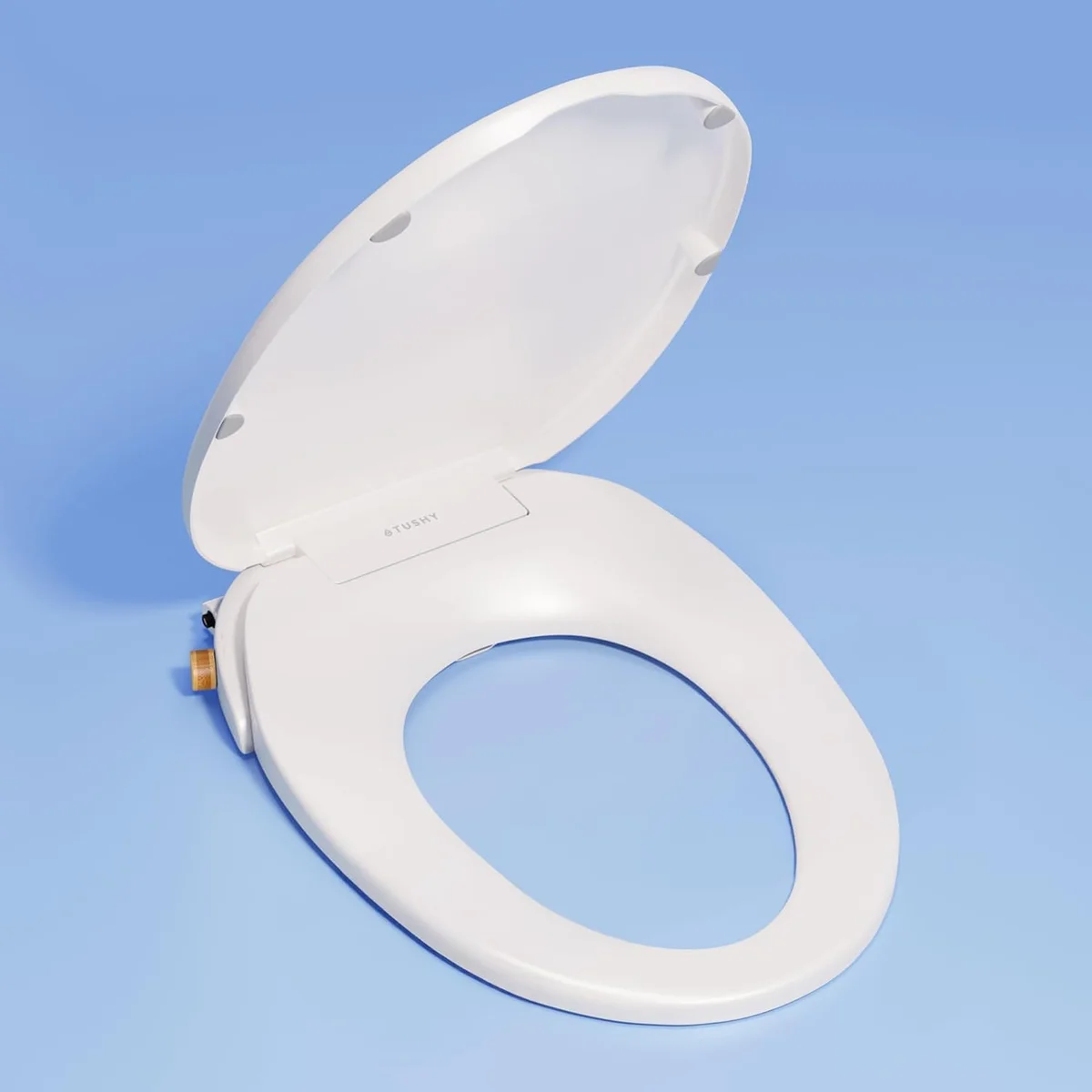
The four buyers it suits best
Non-electric is not a fallback for these four buyers — it is the right answer: the no-outlet bathroom, the tight budget, the renter, and the buyer who wants a seat with almost nothing to break.
The clearest case is the no-outlet bathroom. An electric seat needs a grounded GFCI outlet within about three feet, so a bathroom whose toilet sits far from any socket rules electric out until an electrician changes that — and a non-electric seat simply sidesteps the whole problem. The second is budget: a non-electric seat is the cheapest way to a real bidet wash, well below a comparable electric model. The third is renting, where adding wiring is usually off-limits and a removable, no-power seat that travels to the next home fits the constraint exactly. The fourth is the simplicity buyer — someone who would rather own a seat with no heater, pump, or control board to fail than chase features, which is the reliability advantage non-electric carries over the cheapest electric seats.
| Buyer | Why non-electric fits |
|---|---|
| No outlet near toilet | Needs no power at all |
| Tight budget | Cheapest path to a real wash |
| Renter | Removable, no wiring, travels |
| Simplicity-seeker | Almost nothing to break |
The one trade, and who it bothers
Cold water is the only real downside. It matters most to buyers in cold climates or unheated bathrooms; for many others, a cold wash is a non-issue or even welcome in summer.
Being honest about the downside is what makes the decision sound. A non-electric seat washes with cold tap water at house pressure, and in a cold bathroom in winter that first contact is a genuine shock — it is the single reason buyers most often cite for paying for an electric bidet seat instead. How much it bothers you is personal: in a heated house or a warm climate many owners stop noticing within days, while in a cold bathroom it can be the dealbreaker. The middle path, for a buyer who wants warmth but cannot go electric, is a non-electric seat with a warm-water hookup that taps the sink or heater line — a narrow category, fiddlier to install, but the one way to get warm water without an outlet. Weigh the cold honestly against your climate before deciding it rules non-electric out.
The recurring r/bidets verdict on non-electric is that cold water is the only thing anyone regrets — and that whether it matters comes down entirely to how cold the bathroom gets, not to the seat.
What you do not give up
Going non-electric costs you warm air and a heated seat — but not the wash. Dual nozzles, pressure control, and adjustable position are all available without power, so the core clean is unchanged.
The fear that non-electric means a worse clean is the most common misconception, and it is wrong. The wash on a good non-electric seat is the same directed, aimable spray as on an electric one: dual nozzles separate the posterior and feminine streams, pressure is adjustable, and the nozzle position can be tuned, all driven by house pressure alone (Horow). What you give up is the warm air dryer and the heated seat — both of which need electricity — not the cleaning. A non-electric seat from Brondell bidet seats or Kohler bidet seats cleans every bit as well as a TOTO bidet seats electric model; the difference is warmth and electronics, not the wash. For the buyers above, that is exactly the right thing to trade away.
- Bowl shape Elongated only Measure your bowl — elongated-only seats overhang the other shape.
- Mounting clearance 50 mm behind seat Tank-to-seat gap must clear the control housing.
- Power None — non-electric No outlet needed.
- Water-line access T-valve included; standard 7/8-inch toilet supply; warm-water-hookup models also tap a hot line Shut-off valve and supply line must accept the tee.
Check every axis against your toilet before buying
Choosing among the non-electric seats
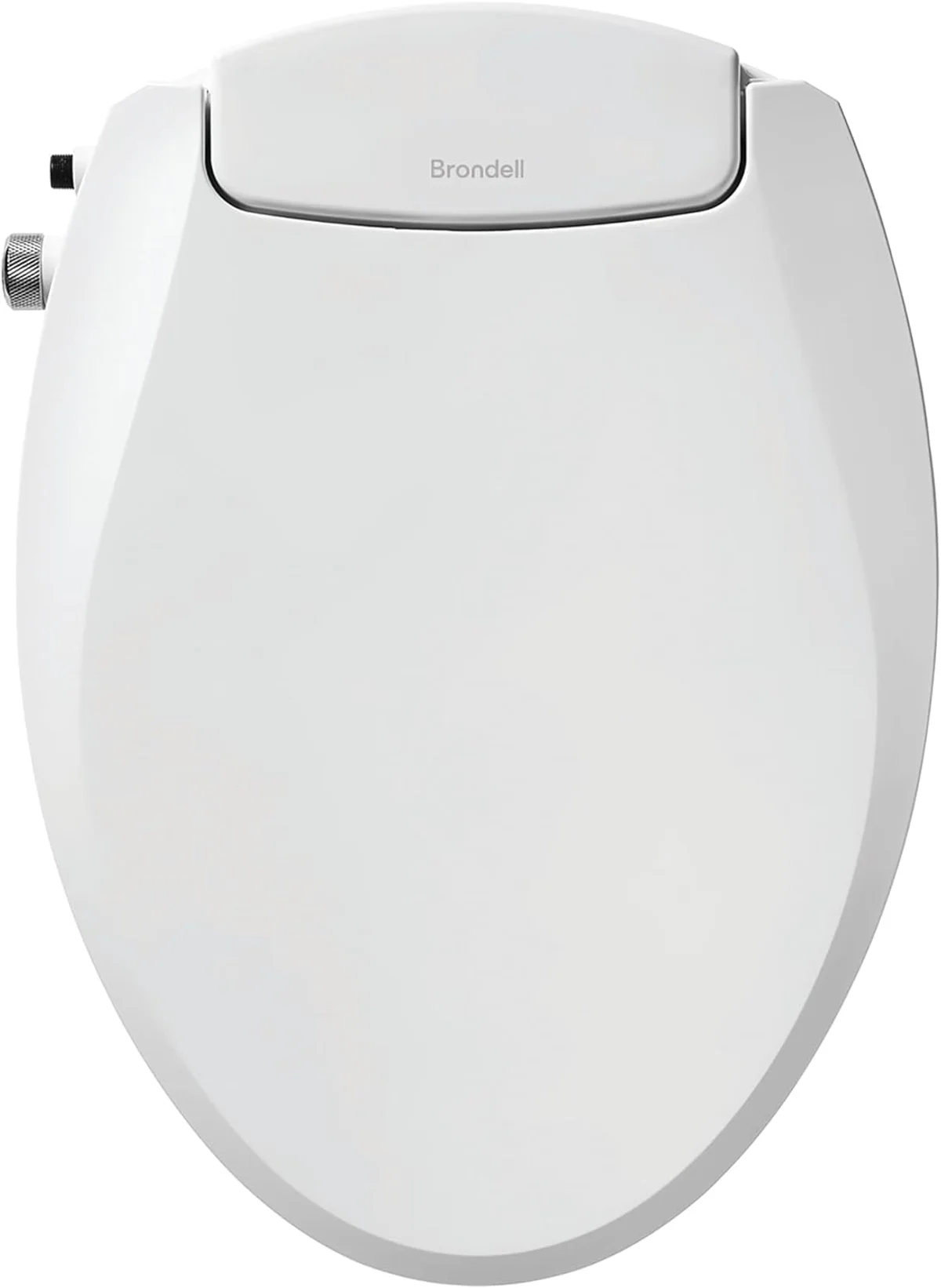
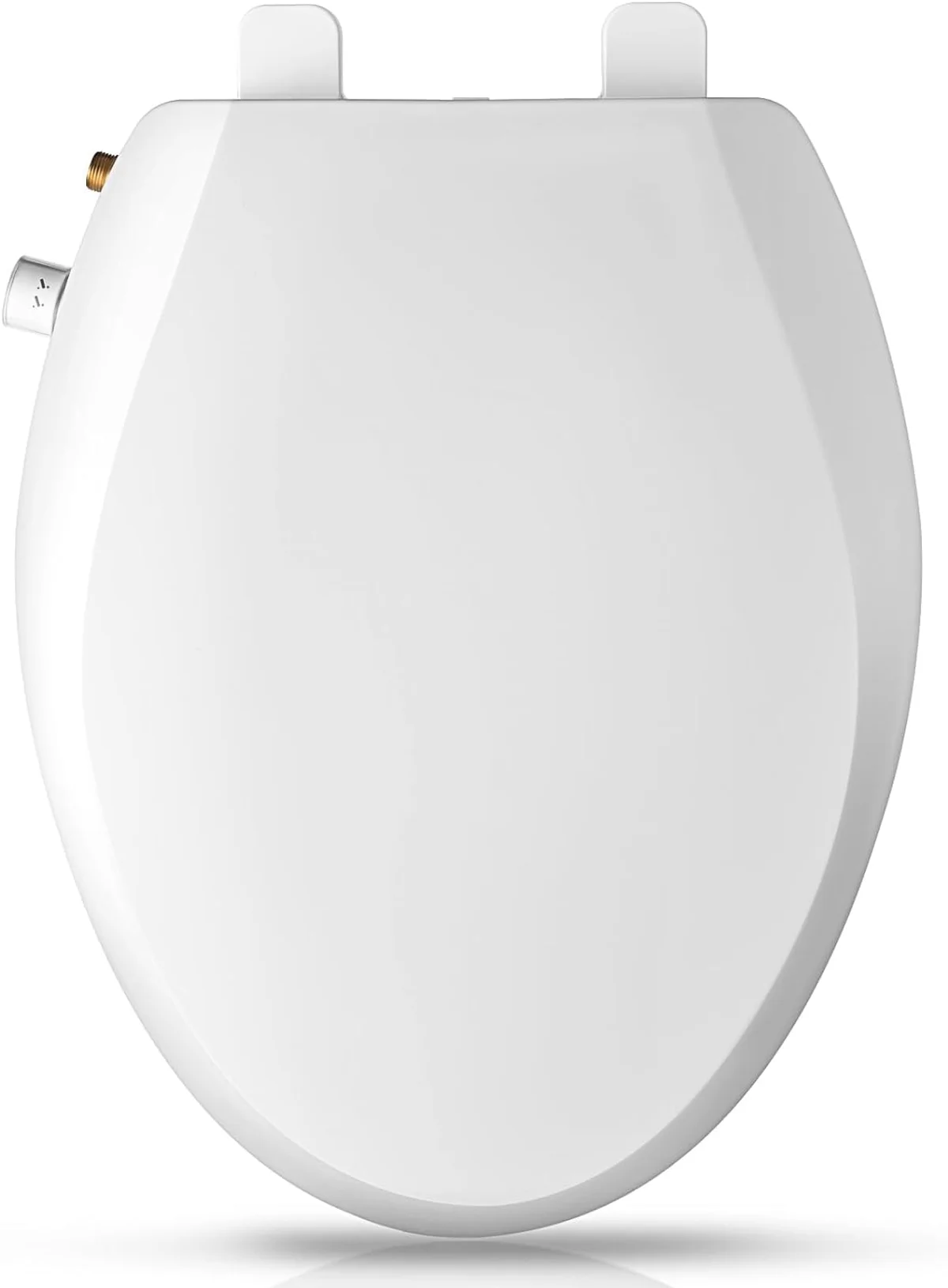
Once non-electric is the call, the choice narrows to a handful of names — Brondell, TUSHY, Kohler, and budget options — sorted by build feel and whether you want a warm-water hookup.
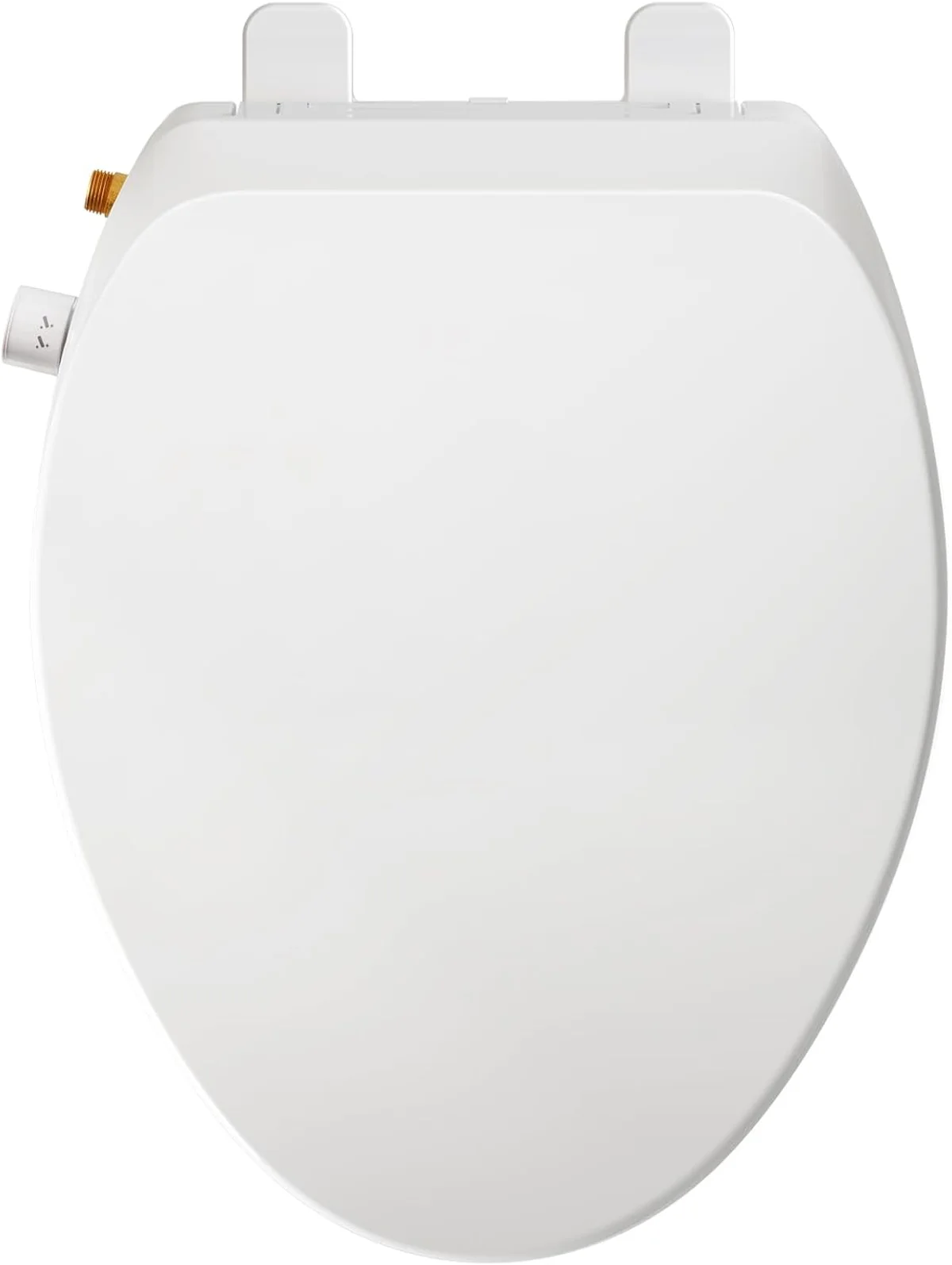
With the category decided, picking the model is straightforward. Brondell’s Swash EcoSeat is the most-recommended starter, though owners step past its bare S101 trim for a sturdier feel; TUSHY is the design-led pick and offers a warm-water version; Kohler bidet seats in the PureWash line add major-brand retail support; and budget options like the Clirass cover the tightest budgets. The full rundown, with the caveat on each, is in our non-electric bidet seats explainer, and our best bidet toilet seats roundup ranks them. The deciding questions among them are simple: do you want a warm-water hookup, and how much build quality do you want for the price — answer those and the shortlist resolves itself.
What non-electric saves over time
The non-electric advantage is not just the lower sticker price. With no heater, pump, or control board, there is nothing to fail out of warranty and no standby power draw — so the cheaper seat is often the cheaper one to own.
The full-cost picture favours non-electric more than the price tags alone suggest. A non-electric seat has two moving concerns — the nozzle and the T-valve splice — against an electric seat’s heater, pump, control board, and remote, every one of which is a part that can fail after the warranty ends. The recurring failure story on r/bidets is a cheap electric seat dying in year one or two with no support; a non-electric seat largely sidesteps that risk because there is so little to break. It also draws no standby power, where an electric seat’s heated seat sips current around the clock to stay warm. Add the lower purchase price, the free DIY install, and the lack of an outlet-adding electrician bill, and the non-electric seat’s total cost of ownership is frequently the lowest in the category.
None of this means non-electric is automatically better — for a buyer who wants warm water, the electric seat earns its higher cost every morning. But it does mean the choice is not simply "cheap versus good." For the four buyers above, non-electric is the seat that costs less up front, less to run, and less to keep working, while delivering the same wash a Brondell bidet seats or Kohler bidet seats electric model would — minus the warmth. Weighing total cost rather than sticker price is what turns "the cheap option" into "the right option" for the buyers it fits.
If non-electric is your call
Pick your seat: browse our best bidet toilet seats roundup, read the full category in non-electric bidet seats, or read the Brondell Swash EcoSeat review for a long-term read on the most-recommended starter.
Non-electric buyer questions
Who should buy a non-electric bidet toilet seat?
Four buyers especially: anyone with no outlet near the toilet, anyone on a tight budget, renters who cannot add wiring, and people who simply want a reliable seat with almost nothing to break. For all four, a non-electric seat is the smart first choice rather than a compromise.
Is a non-electric bidet seat worth it?
For the right buyer, very much so.
What is the downside of a non-electric bidet seat?
Cold water is the only real one. A non-electric seat washes with cold tap water at house pressure, so in a cold bathroom in winter the stream can be a shock — which is the single reason some buyers pay for an electric seat instead. Everything else about non-electric is an advantage.
Do non-electric bidet seats clean as well as electric ones?
Yes — the wash itself is essentially the same directed spray.
Can a non-electric bidet seat have warm water?
A few can, through a warm-water hookup rather than electricity. Most non-electric seats are cold-only, but a small group tap a warm line from the sink or water heater, delivering warm water without an outlet — the narrow middle path for a buyer who wants warmth but cannot or will not go electric.
Sources
- Brondell — Swash EcoSeat non-electric line. Accessed 2026-05-27.
- Kohler — PureWash non-electric seats. Accessed 2026-05-27.
- Horow — bidet use, types, benefits and risks. Accessed 2026-05-27.
- r/bidets community owner reports. Accessed 2026-05-27.